
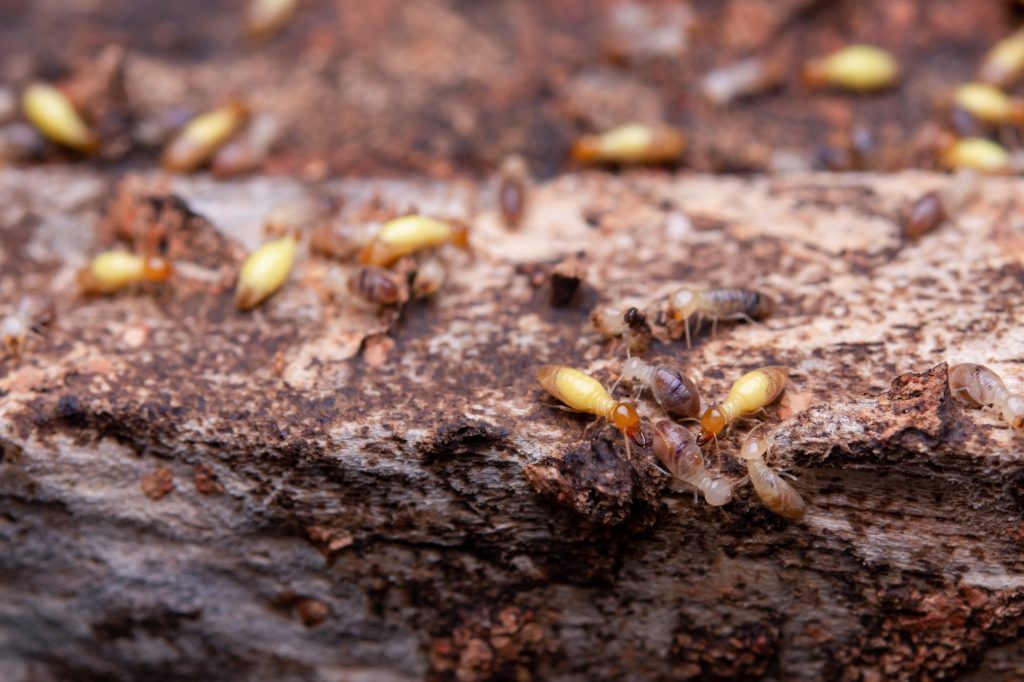
Subterranean termites are difficult to notice because most of their activity occurs below ground or inside structural materials. They build colonies in soil, travel through protected pathways, and enter buildings through foundation gaps, plumbing penetrations, expansion joints, or wood-to-soil contact.
Early recognition matters because visible damage may appear only after termites have been feeding for some time. Professional termite control begins with identifying subtle evidence, confirming the species involved, and locating the conditions that allow the colony to reach the structure.
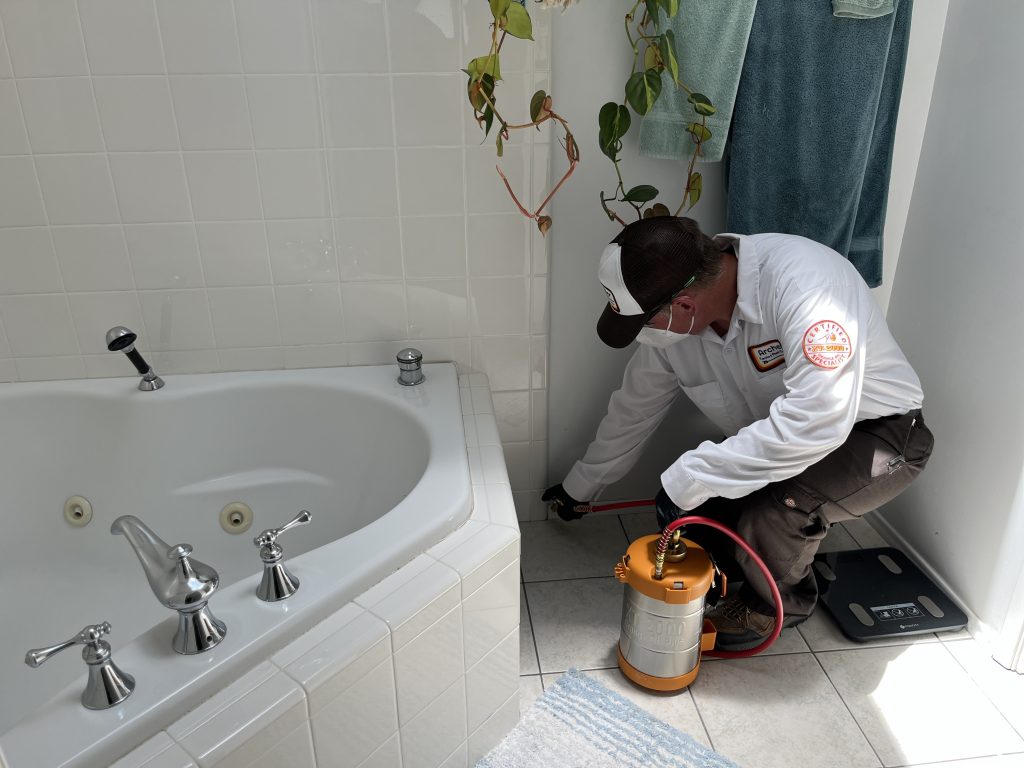
Mud Tubes Can Reveal a Hidden Route Indoors
Subterranean termites need moisture and protection while traveling between soil and wood. They create narrow mud tubes from soil, saliva, and debris along foundations, crawl spaces, garage walls, piers, and other sheltered surfaces.
Early warning signs may include:
- Pencil-width mud tubes running along concrete, masonry, or structural joints.
- Fresh soil-like material inside cracks near the foundation.
- Tubes that reconnect after being disturbed or damaged.
- Mud sheltering around plumbing lines, sill plates, or crawl-space supports.
- Small sections of wood that appear damp, soft, or stained nearby.
A mud tube does not show how far the infestation has spread, but it can confirm that termites have found a protected travel route. An inspection helps determine whether the tube is active and where it may lead.
Swarmers and Discarded Wings Deserve Attention
Winged termites, called swarmers, leave established colonies to reproduce and form new colonies. They may appear near windows, doors, light fixtures, patios, garages, or other areas where light attracts them.
Finding a few winged insects can be confusing because termites are sometimes mistaken for ants. Termite swarmers have straight antennae, broad waists, and wings of similar length. Ants generally have bent antennae, narrow waists, and uneven wing pairs.
Discarded wings indoors can be especially significant because swarmers may have emerged from a concealed part of the structure. This discussion of hidden wall damage explains how termites can remain behind finishes while feeding through framing, trim, baseboards, or foundation-adjacent wood.
Wood Damage Often Begins Beneath the Surface
Subterranean termites usually consume wood from the inside, leaving a thin outer layer that can hide damage. A board may look intact until pressure, repairs, or inspection reveal hollow galleries beneath the surface.
Possible early clues include:
- Wood that sounds hollow when carefully tapped.
- Baseboards or trim that dent more easily than expected.
- Floors that begin to feel uneven, soft, or slightly raised.
- Paint or wallpaper that bubbles without an obvious plumbing leak.
- Doors or windows that begin sticking as the nearby wood changes.
These signs can also result from moisture, settling, or ordinary wear. That is why termite control should be based on evidence rather than one symptom alone. A trained inspection can separate active termite damage from dry rot, water damage, and older structural issues.
Moisture and Wood Contact Increase Termite Risk
Subterranean termites depend on soil moisture, so conditions around the foundation can influence where they enter. Leaking plumbing, irrigation overspray, poor drainage, damp crawl spaces, and wood touching soil may create favorable access points.
A property may remain vulnerable even when no termites are immediately visible. Professionals often examine foundation edges, slab cracks, crawl spaces, garages, plumbing zones, exterior trim, and other areas where moisture and cellulose materials overlap.
Store-bought products applied to a visible spot may not reach the underground colony or hidden travel network. This guide to DIY treatment risks explains why surface-level treatment can create false confidence while termites remain active inside concealed areas.
Because these termites remain connected to an underground colony, removing a visible tube or damaged section does not explain whether workers are still entering elsewhere. Early evidence should guide a broader evaluation of the structure.
Professional Inspection Clarifies the Full Problem
Early termite signs are valuable, but they do not always reveal colony size, entry location, or structural impact. A complete inspection looks at the building as a connected system rather than treating one mud tube, damaged board, or pile of wings in isolation.
A professional assessment may include:
- Checking soil, foundation edges, crawl spaces, and wood-contact areas.
- Distinguishing subterranean termite evidence from drywood termite signs.
- Evaluating moisture conditions that may support continued activity.
- Examining damaged wood to determine whether the activity appears current.
- Recommending soil-focused treatment, repairs, monitoring, or other appropriate steps.
The right response depends on the termite species, property construction, infestation location, and extent of damage. Subterranean termite control may require treatment directed at soil access and concealed pathways, followed by monitoring to confirm that activity has stopped.
Early action can also reduce the chance that hidden damage reaches framing, flooring, trim, or other costly structural materials. The objective is not to react to every suspicious mark, but to investigate credible warning signs before the infestation becomes more difficult to define and repair.
Protect the Structure Before the Signs Multiply
Mud tubes, discarded wings, unexplained wood changes, or moisture-related risk areas deserve a closer look. Contact Archer Termite & Pest Control for professional termite control based on careful inspection, accurate identification, and long-term protection.