
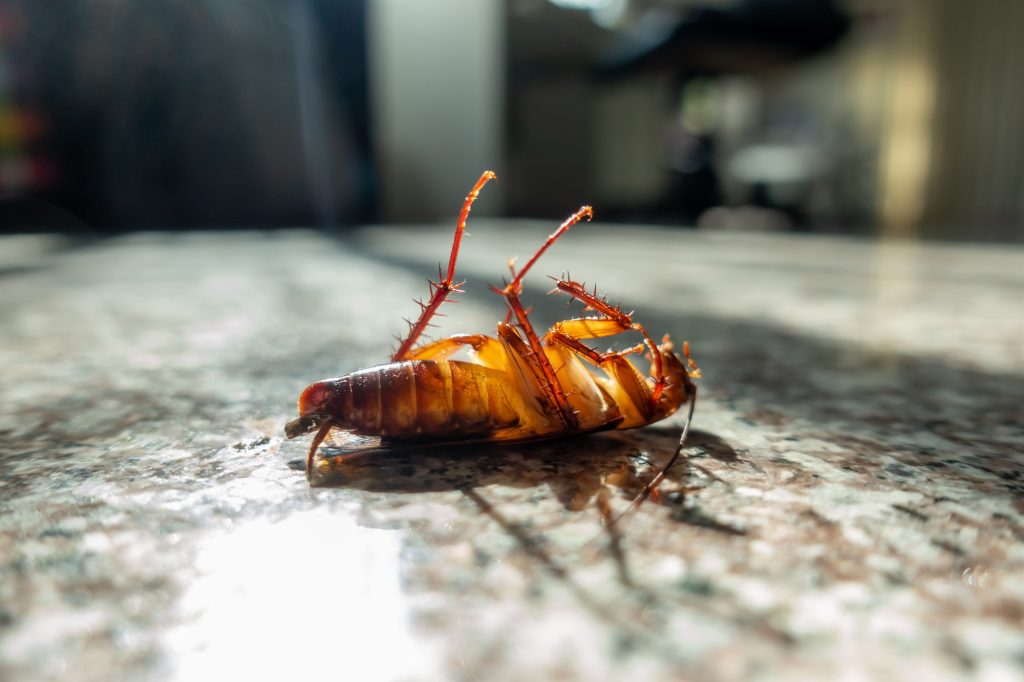
Cockroaches are highly adaptable, but they still depend on access to water. In California homes, especially in kitchens, bathrooms, garages, laundry rooms, crawl spaces, and other sheltered areas, even a small leak or a damp corner can support ongoing activity. That is why a cockroach infestation often becomes more difficult when moisture remains hidden behind cabinets, under appliances, near plumbing, or around foundation-adjacent spaces.
Professional pest control looks beyond the insects that are visible. It examines the conditions helping them survive. Food matters, but water can be even more important in explaining why cockroaches keep returning. A slow plumbing drip, condensation, irrigation overspray, or poor drainage can create exactly the kind of stable moisture source cockroaches need.
Moisture Creates Reliable Harborage
Cockroaches prefer dark, protected areas where they can stay close to water and food. Moisture makes those spaces more attractive and can support a larger population over time. In warm California conditions, a damp indoor or exterior zone may remain suitable for activity even when the rest of the property seems dry.
Common moisture-related risk areas include:
- Leaking pipes under sinks, behind toilets, or near water heaters
- Condensation around appliances, plumbing lines, and poorly ventilated rooms
- Damp cabinets, wall voids, crawl spaces, and garage corners
- Irrigation overspray, clogged drainage, and wet mulch near exterior walls
- Pet bowls, floor drains, utility sinks, and other repeated water sources
A closer look at warmer-month pest activity shows why cockroaches often become more active when heat, moisture, food, and access points overlap. The visible insects may only be the surface sign. The real concern is the hidden environment allowing the infestation to continue.
Hidden Dampness Can Let Infestations Grow
A cockroach infestation can expand quietly because many moisture sources are not obvious. Water can travel behind a cabinet, soak into a baseboard, collect beneath an appliance, or remain in a shaded crawl-space area. Cockroaches can use those hidden zones during the day and emerge at night, which makes the problem seem smaller than it really is.
Warning signs may include:
- Cockroach sightings are becoming more frequent or appearing in multiple rooms
- Droppings near cabinets, appliances, plumbing, or dark corners
- Musty or oily odors in areas with repeated activity
- Egg cases, shed skins, or insects appearing after lights are turned on
- Activity returning after visible cockroaches were removed
Moisture also affects how cockroaches travel. A bathroom may provide water, while a nearby kitchen offers food. Wall gaps, plumbing openings, and utility penetrations can connect those spaces. This is why an inspection should follow the pattern of activity instead of focusing only on one room.
Professional evaluation helps determine whether the issue is localized or whether several moisture and shelter areas are supporting the same infestation. That distinction matters because treatment needs to match the layout of the property and the conditions behind the activity.
Early Inspection Helps Prevent A Larger Problem
Cockroach activity is easier to manage when the moisture source, entry route, and hiding area are found early. Waiting can allow the population to spread into additional rooms or remain concealed behind walls and fixtures. A professional inspection can identify both pest evidence and the property conditions, making the problem harder to resolve.
A thorough inspection may review:
- Kitchens, bathrooms, laundry rooms, garages, and crawl spaces
- Plumbing connections, sinks, drains, utility lines, and appliance areas
- Exterior moisture near irrigation, mulch, drainage, and foundation edges
- Gaps around doors, windows, pipes, and other access points
- Signs of ants, rodents, fleas, termites, spiders, or bed bugs when conditions overlap
The value of an early inspection is not limited to finding cockroaches. It can also reveal moisture damage, access gaps, sanitation concerns, or other pest pressure. A guide to summer pest inspections explains why early detection can help prevent a small issue from becoming more expensive.
Professionals also consider how quickly moisture returns after cleanup. A pipe that continues dripping, a drain that stays wet, or irrigation that repeatedly soaks the same exterior edge can keep pressure active. That is why a one-time surface response may not be enough when the underlying condition remains unchanged.
Effective cockroach control should combine identification, targeted treatment, moisture awareness, sanitation guidance, and follow-up. The goal is not simply to remove visible insects. It is to reduce the conditions that help the infestation survive.
California homes can face persistent cockroach pressure because warm weather, coastal moisture, irrigation, plumbing, and shaded structural spaces can all support activity. When those factors are inspected together, the treatment plan becomes more precise and better suited to long-term control.
Stop Moisture From Supporting The Next Infestation
A recurring cockroach problem often points to more than a few insects. It may signal hidden moisture, shelter, or access points that need professional attention. For careful cockroach control, pest inspection, termite service, rodent support, bed bug treatment, flea control, spider control, and related household pest concerns, contact Archer Termite & Pest Control.