
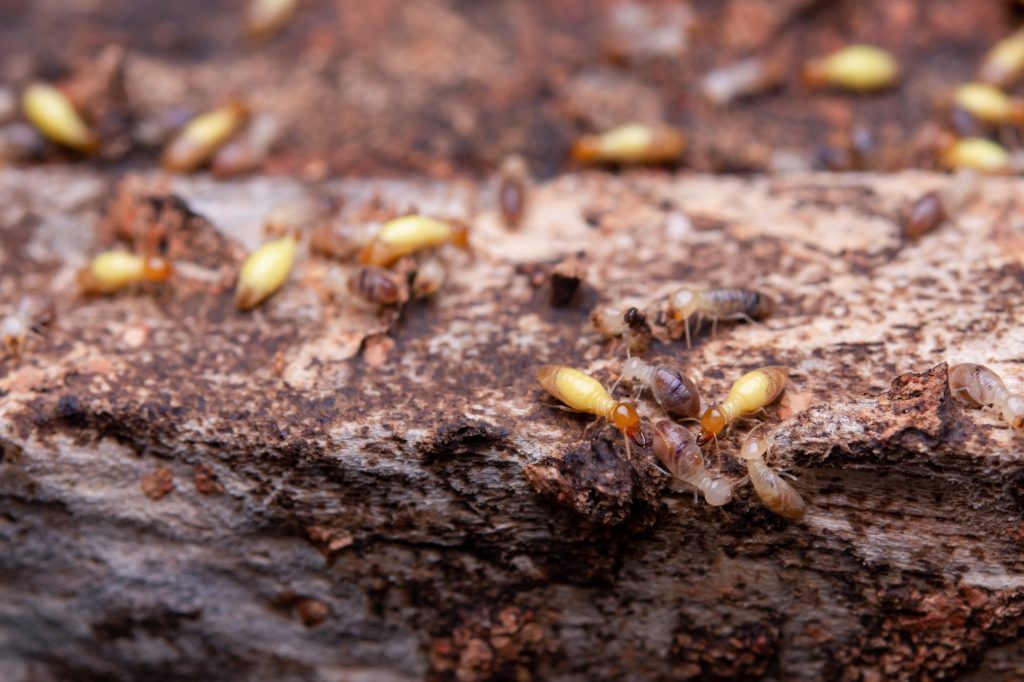
Termites are difficult to detect because they often work from the inside of the structure outward. A wall may look normal while termites move through framing, trim, baseboards, subfloor areas, or foundation-adjacent wood. By the time paint blisters, wood sounds hollow, or doors begin to stick, the activity may already be established behind the surface.
Termite control is most effective when early signs are inspected before the damage spreads. Walls are especially concerning because they conceal movement, protect colonies from disturbance, and make it harder for homeowners to judge the true extent of the problem. Ignoring a possible termite issue gives termites more time to feed, expand, and weaken materials that are expensive to access and repair.
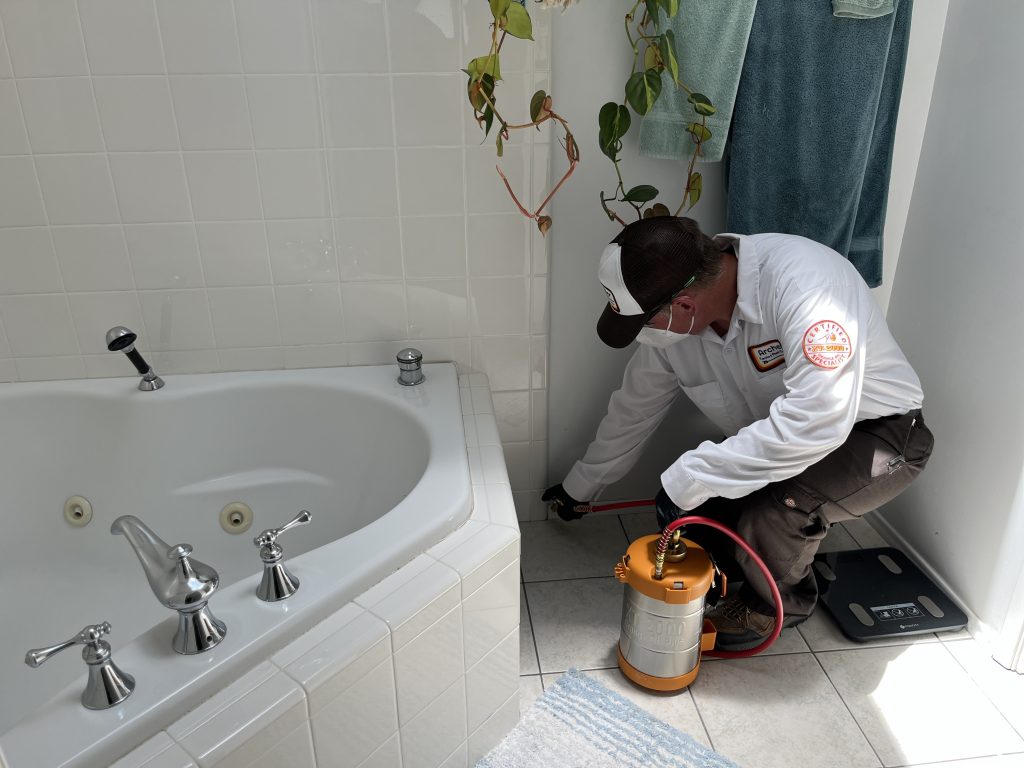
Hidden Wall Damage Can Spread Quietly
A termite issue inside walls may begin with a small access point, a moisture problem, or a wood-to-soil connection. Once termites find a protected route, they can continue feeding with very little visible evidence. Drywall, paint, and trim can hide damaged framing until pressure, repair work, or inspection reveals the concern.
Warning signs may include:
- Hollow-sounding wood, soft trim, or baseboards that dent easily
- Bubbling paint, faint rippling, or wall surfaces that look uneven
- Discarded wings near windows, doors, or light sources
- Mud tubes near foundations, garage walls, or structural joints
- Sticking doors, warped frames, or small cracks near trim
These signs do not always confirm active termites on their own, but they should not be dismissed. Professional inspection helps separate termite evidence from moisture damage, normal settling, or age-related wear. That distinction matters because each problem requires a different response.
Delays Can Increase Repair Costs
Waiting is risky because termites do not need open visibility to continue damaging wood. If they remain active in walls, they may affect studs, headers, sill plates, window framing, baseboards, and nearby flooring. The longer the activity continues, the more likely repairs may involve opening walls, replacing damaged wood, and correcting moisture or access conditions.
Delayed action may lead to:
- Larger sections of hidden wood damage before the problem is confirmed
- More expensive repairs when framing, trim, or flooring is affected
- Confusion between old damage and active termite movement
- Greater disruption if walls, cabinets, or finishes must be opened
- Higher risk of repeat activity when the source is not identified
Surface reactions can also create false confidence. Store-bought products may reach only the visible area, while termites continue moving through concealed paths. A helpful look at DIY termite risks explains why hidden colonies need evidence-based evaluation rather than guesswork.
Wall Activity Often Connects To Moisture And Access
Termites usually reach wall systems because the property gives them a route. Moisture, soil contact, cracks, plumbing penetrations, damaged exterior wood, crawl-space conditions, and foundation gaps can all contribute. In coastal and Southern California homes, mild weather and building details can allow termite pressure to continue if conditions stay favorable.
Professional inspection often considers:
- Foundation edges, slab cracks, crawl spaces, and garage walls
- Plumbing areas, bathroom walls, kitchen lines, and moisture-prone rooms
- Exterior trim, fascia, siding, windows, and door frames
- Attic wood, subfloor areas, and structural joints
- Evidence of rodents, ants, roaches, spiders, bed bugs, or other listed pest concerns
That last point matters because one structural weakness can support more than one pest issue. Rodents may use gaps. Ants may follow moisture. Roaches may hide near damp areas. Spiders may appear where insects are active. A complete inspection gives the property a clearer picture, even when the main concern is termites.
Professional Planning Protects Long-Term Structure
A termite issue in walls should be handled as a structural concern, not a cosmetic defect. Professional service starts with inspection, identification, and a treatment plan based on the type of termite activity, location, spread, and property conditions. Some situations may require localized treatment. Others may call for fumigation, soil-focused treatment, repairs, prevention, or ongoing monitoring.
Long-term termite planning may include:
- Confirming whether termite activity is active, old, localized, or widespread
- Choosing treatment based on structure, termite type, and affected areas
- Reviewing damaged wood, trim, framing, attic spaces, or subfloor sections
- Correcting moisture, access points, or wood-contact conditions
- Scheduling follow-up inspections to confirm continued protection
The right method depends on evidence. A property with a limited drywood termite issue may not need the same strategy as one with wider structural activity. This overview of termite treatment options shows why long-term protection often combines treatment, repair awareness, and prevention.
Ignoring termites inside walls can turn a manageable warning sign into a more complicated repair project. It can also create stress during remodeling, real-estate inspections, or routine maintenance when hidden damage is suddenly exposed. Professional evaluation helps homeowners act before the structure carries more damage than expected.
Protect The Walls Before Damage Grows
Termite issues inside walls should be inspected before hidden activity spreads into larger repairs. For professional termite control, termite treatment planning, ants, roaches, rodents, spiders, bed bugs, fleas, rats, and related pest concerns, contact Archer Termite & Pest Control.