
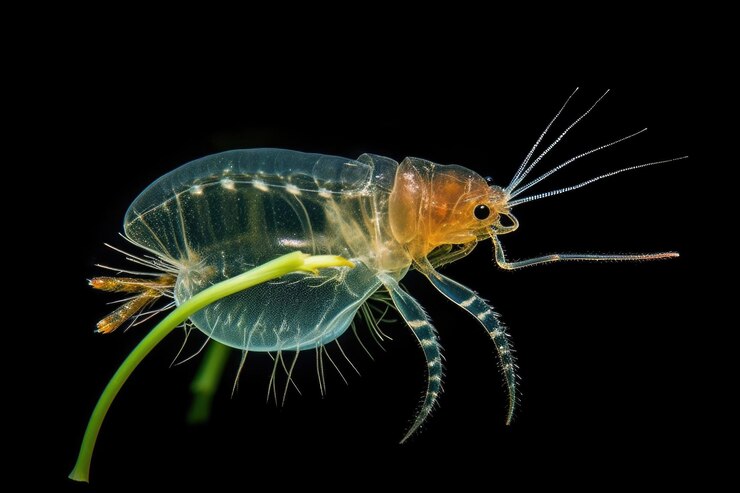
Warm year-round climates can keep flea pressure active far beyond a short summer season. When temperatures stay mild, fleas can continue developing in shaded yards, pet resting areas, carpets, furniture, bedding, and outdoor spaces where animals spend time. For pet owners, that means flea prevention should be viewed as an ongoing property concern, not only a reaction after scratching, biting, or noticeable indoor discomfort begins.
Fleas are small, fast, and difficult to track once they spread through the home. Pets may bring them inside from lawns, patios, kennels, walks, or shared outdoor areas. The same conditions that support fleas may also attract termites, ants, spiders, rodents, roaches, bed bugs, and other listed pest concerns. A professional inspection helps connect pet activity with the places fleas are living, developing, and returning.
Pets Pick Up Fleas Where They Rest And Roam
Fleas often start where pets spend the most time. Shaded grass, patio edges, dog runs, pet beds, rugs, sofas, and sleeping areas can all become active zones. Once fleas find a host, they can move between pets, people, and indoor surfaces quickly.
- Shaded yard areas can stay cool enough for flea development.
- Pet bedding can hold eggs, larvae, and adult flea activity.
- Carpets and upholstery may hide fleas after pets come indoors.
- Outdoor wildlife or rodents can contribute to flea pressure near the home.
A flea problem is rarely limited to one room. If a pet spends time in several areas, the inspection should consider the full movement pattern.
Warm Weather Extends The Flea Season
In colder regions, flea activity may slow significantly during harsh weather. In warm year-round climates, that pause may be shorter or less predictable. Fleas can continue reproducing when outdoor and indoor conditions remain comfortable enough. This makes prevention timing especially important for pet households.
A seasonal pest inspection can help identify flea-supporting conditions before activity becomes widespread. Inspection may reveal shaded yard zones, rodent pressure, pet resting areas, moisture pockets, or hidden indoor activity that would be easy to miss during daily routines.
Professional evaluation is useful because fleas have multiple life stages. Adult fleas are only part of the problem. Eggs and larvae can remain in protected areas, which is why short-term relief may not solve the full concern.
Yard Conditions Can Keep Fleas Close
Outdoor conditions matter because pets often bring fleas inside from the yard. Fleas prefer protected, shaded places where heat is buffered and humidity is higher. Overgrown vegetation, debris, crawl-space edges, kennels, under-deck areas, and rodent activity can create ongoing pressure near the home.
- Dense plants can create shaded resting zones for fleas and other pests.
- Yard debris may shelter rodents, insects, and flea activity.
- Outdoor pet areas can become repeat exposure points.
- Moist soil near shaded structures may help fleas survive longer.
These same spaces can support ants, spiders, roaches, rodents, mosquitoes, and other listed pest concerns. When the yard is part of the issue, indoor treatment alone may leave pets exposed to the same source.
Indoor Hiding Areas Need Careful Attention
Once fleas enter the home, they can settle into soft materials and quiet spaces. Pet beds, rugs, couches, blankets, baseboard edges, cracks in flooring, and low-traffic rooms may hold activity. Because fleas are small and quick, the first sign may be pet discomfort rather than visible insects.
Flea prevention should account for how the household functions. Pets may sleep in bedrooms, rest on furniture, visit garages, or move between indoor and outdoor areas all day. A one-size-fits-all plan may miss the places where fleas are actually developing.
Customized service is important because pet habits, yard layout, flooring, furniture, and pest history all affect the plan. A custom treatment helps match the response to the property instead of treating every home the same way.
Long-Term Prevention Requires Follow-Up
Fleas can return if the source is not addressed or if eggs and larvae continue developing after the first treatment. Long-term prevention depends on inspection, targeted service, follow-up, and awareness of outdoor conditions that keep pets exposed.
- Schedule service when pets scratch repeatedly or fleas appear indoors.
- Review pet resting areas, yard shade, rugs, furniture, and baseboards.
- Watch for rodent or wildlife activity that may contribute to flea pressure.
- Use professional follow-up when the activity returns after short-term relief.
A professional plan can evaluate fleas alongside related pest concerns such as rodents, roaches, ants, spiders, bed bugs, mosquitoes, termites, and other listed pests. This wider view matters because flea pressure is often connected to the environment around the home. When prevention is based on where pets live, rest, and move, the plan becomes more practical and more reliable throughout the year.
Help Pets Stay Comfortable Year-Round
For flea prevention that considers pets, yard conditions, indoor resting areas, inspection findings, and long-term follow-up, contact Archer Termite & Pest Control for professional support shaped around warm-climate homes, pets, and family comfort.