
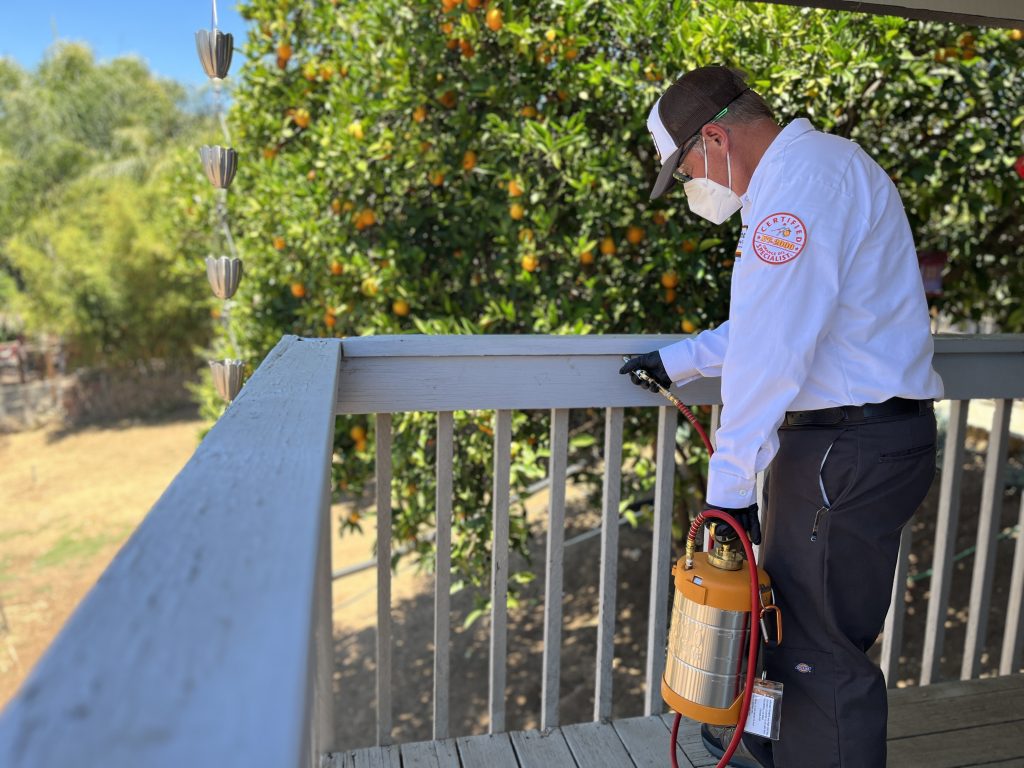
Long-term pest control is not built around reacting to one visible insect or rodent at a time. It depends on understanding how pests enter, where they hide, what conditions support them, and whether activity is isolated or connected to a larger pattern. Homes in Southern California may experience pressure from ants, cockroaches, spiders, fleas, rodents, termites, bed bugs, and other household pests as weather, landscaping, moisture, and daily routines change.
Professional strategies bring inspection, identification, targeted treatment, exclusion, monitoring, and follow-up into one coordinated plan. This approach reduces guesswork and helps prevent recurring activity from becoming more disruptive or expensive.
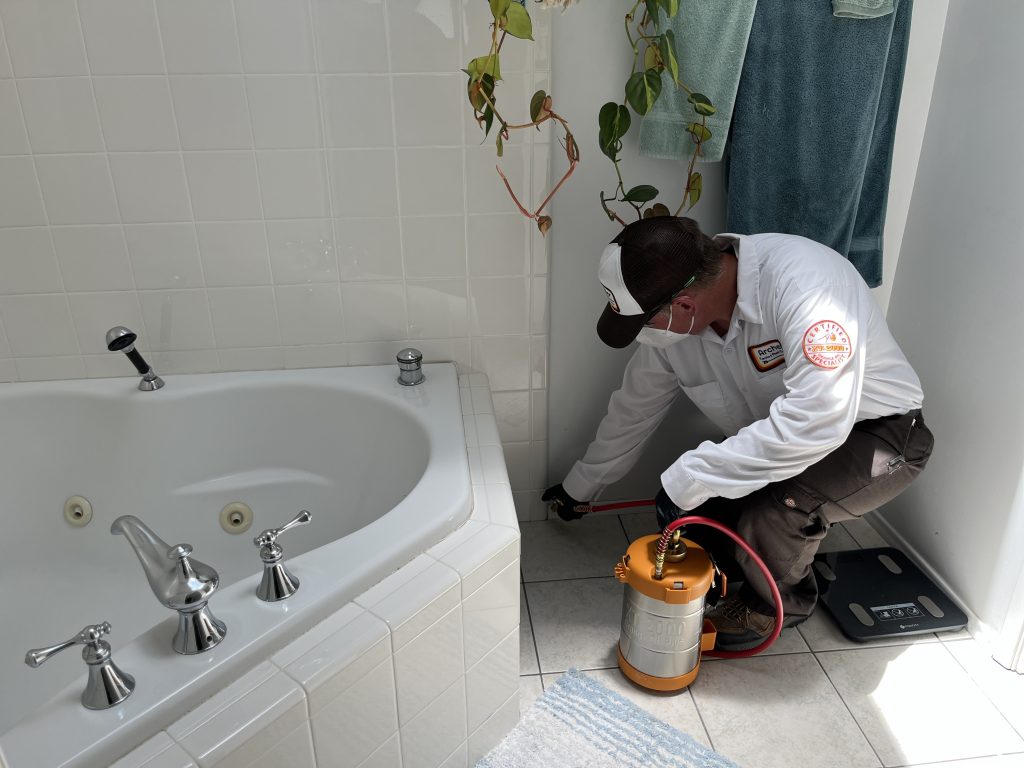
Inspection Creates the Foundation for Better Decisions
A detailed inspection gives technicians the information needed to choose an appropriate response. Visible pests may be only one part of the issue, especially when activity extends into wall voids, attics, crawl spaces, cabinets, garages, or foundation-adjacent areas.
A professional inspection may evaluate:
- Entry points around doors, vents, utility lines, roof edges, and foundations.
- Moisture near plumbing, irrigation, bathrooms, kitchens, and exterior walls.
- Droppings, webbing, shed skins, nesting material, damage, or insect remains.
- Food, clutter, vegetation, and stored materials that support pest activity.
- Previous treatment areas and locations where problems repeatedly return.
Seasonal timing also matters. The value of summer pest inspections comes from finding developing activity before heat, moisture, open doors, and landscape growth allow it to spread. Early findings make treatment more focused and may reduce the need for wider service later.
Accurate Identification Keeps Treatment Focused
Different pests require different strategies. Ant trails may lead to concealed colonies, cockroaches may gather near warmth and moisture, spiders often remain where prey insects are available, and rodents may use rooflines, garages, or wall gaps. Termites behave differently from all of them because activity can remain hidden inside wood or along soil-to-structure routes.
Professional identification helps determine the pest species, likely source, life stage, and extent of activity. This prevents a one-size-fits-all response and allows treatment to match the biology of the problem.
A technician may also distinguish old evidence from current activity. That difference is important when deciding whether treatment, monitoring, exclusion, repairs, or a combination of services is appropriate.
Targeted Treatment Addresses Active Areas
Long-term results depend on placing treatment where inspection findings justify it. Broad applications without a clear source may leave nests, eggs, larvae, galleries, or travel routes untouched.
A targeted plan may include:
- Treating cracks, voids, harborage areas, and active pathways.
- Addressing outdoor pressure around foundations, patios, garages, and landscaping.
- Using rodent-control methods that include monitoring and entry-point awareness.
- Selecting termite treatment based on species, location, and structural conditions.
- Scheduling follow-up when the pest life cycle requires continued observation.
Treatment choices should also reflect the property, occupants, pets, and areas being serviced. Professionals explain preparation, reentry, and follow-up requirements so the plan can be carried out efficiently and safely.
Exclusion and Prevention Reduce Future Pressure
Treatment resolves active concerns, but prevention addresses how pests reached the property and why they remained. Worn seals, damaged screens, roof gaps, plumbing openings, moisture, clutter, and vegetation touching the structure can all contribute to repeat activity.
Termites require especially careful planning because visible signs may not reveal the full extent of the infestation. This discussion of hidden termite risks explains why surface-level treatment may miss colonies, galleries, moisture sources, and structural damage.
Professional prevention may involve:
- Recommending repairs around gaps, vents, doors, siding, and utility openings.
- Identifying moisture or wood-contact conditions that support termites and insects.
- Improving access around storage areas, attics, garages, and crawl spaces.
- Reviewing sanitation, food storage, pet areas, and exterior waste conditions.
- Monitoring previously active locations for renewed evidence.
These steps support long-term control without assuming that every property needs the same changes.
Monitoring and Follow-Up Keep the Plan Responsive
Pest pressure changes over time. Weather, irrigation, renovations, deliveries, landscaping, neighboring activity, and building wear can create new access points or shift pests into different areas. A plan that worked during one season may need adjustment later.
Monitoring gives professionals a way to compare current findings with earlier service records. Repeated activity near the same wall, roofline, plumbing zone, or storage area may signal an unresolved source. A new pattern may indicate that conditions around the property have changed.
Consistent follow-up also helps evaluate whether treatment is working as expected. Technicians can adjust placement, service frequency, exclusion recommendations, or monitoring locations based on evidence rather than repeating the same procedure automatically.
The strongest pest control strategy is not constant treatment without purpose. It is a structured process that identifies the pest, targets active areas, reduces supporting conditions, and checks whether the solution remains effective. That continuity is especially valuable for termites, rodents, bed bugs, and recurring household pests that can remain concealed or return through overlooked access points.
Build Protection That Lasts Beyond One Visit
Recurring pest activity deserves more than a short-term response. Contact Archer Termite & Pest Control for professional inspection, targeted treatment, monitoring, and long-term protection tailored to your property