
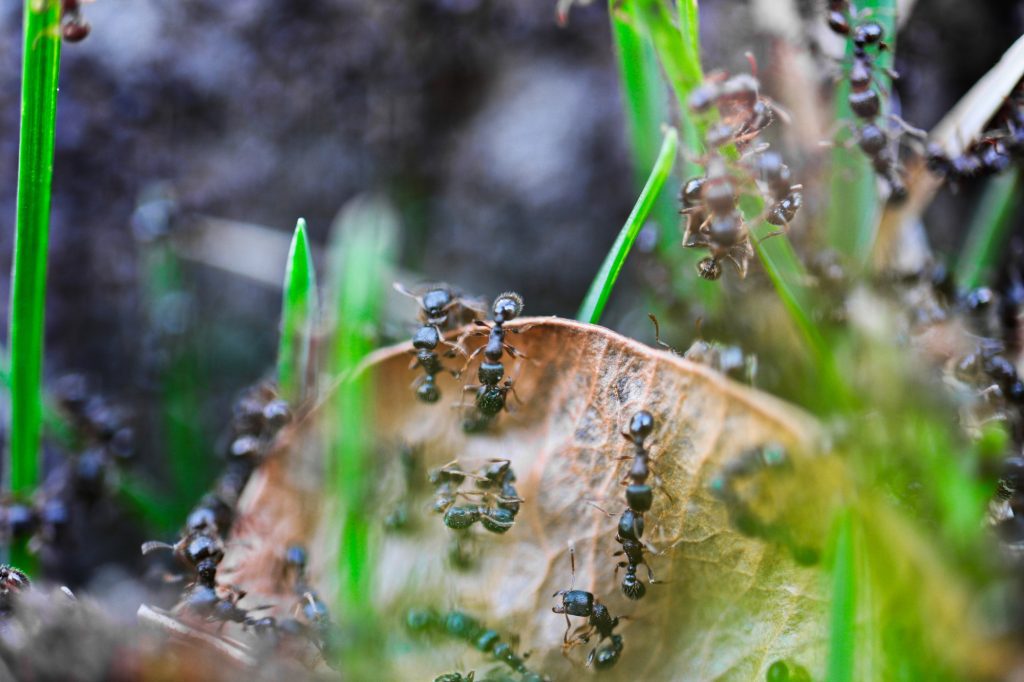
Late summer can bring a noticeable increase in ant activity around homes, especially when heat, food, and moisture overlap. Kitchens, patios, landscaped areas, garages, and foundation edges can all become active zones when colonies are foraging more aggressively or shifting routes as conditions change. What looks like a few ants near a sink or sliding door can be the beginning of a larger pattern.
Managing ant problems effectively starts with understanding why the activity is happening. Professionals look beyond the visible trail to identify entry points, food sources, moisture, nesting areas, and exterior pressure. That broader view helps homeowners avoid short-lived fixes and gives technicians a clearer path toward targeted treatment and long-term prevention.
Kitchens And Outdoor Spaces Can Feed The Same Ant Problem
Ants do not separate indoor and outdoor spaces the way homeowners do. A colony outside can send workers through patio joints, door thresholds, window gaps, utility openings, or wall cracks toward food and water inside. Late-summer cooking, outdoor dining, and irrigation can make those routes even more active.
Key areas to review include:
- Counters, pantry shelves, and pet-feeding areas where crumbs or spills remain
- Sinks, dishwashers, and under-sink cabinets where moisture collects
- Grills, outdoor tables, and trash containers with food residue
- Mulch, irrigation zones, and shaded landscaping close to the foundation
- Sliding doors, patio cracks, and utility penetrations with repeated ant trails
- Tree branches, shrubs, or vines touching exterior walls or windows
Good sanitation helps reduce resources, but recurring trails usually mean the ants have already found a reliable route. These summer ant prevention principles show why indoor and outdoor conditions should be evaluated together instead of treating each sighting as a separate event.
Entry Points Matter More Than The Ants You Can See
Late-summer ant problems often persist because the visible insects are only the foragers. The colony may be located outside in soil, beneath landscaping, inside wall voids, or near another protected area. Surface-level treatment can reduce activity briefly while leaving the nest and travel route unchanged.
Professionals typically evaluate:
- Foundation cracks and expansion joints near active trails
- Gaps around plumbing, electrical lines, and exterior trim
- Worn door sweeps and weatherstripping around frequently used entrances
- Window frames with loose seals or small openings
- Moisture-prone areas where ants can find water
- Repeated trail locations that suggest a consistent colony route
This is also where indiscriminate sprays can create limitations. Information on surface spray limits explains why killing visible ants does not necessarily reach the colony. In some situations, disturbing a trail without understanding the species or nesting pattern can make activity harder to track.
Professional inspection gives treatment a better starting point because it connects the ant trail to its source.
Late-Summer Conditions Can Change Ant Behavior Quickly
As summer winds down, ant pressure does not always decline immediately. Warm temperatures can continue to support foraging, while irrigation and late-season moisture may keep landscaped areas attractive. At the same time, dry conditions can push ants toward dependable water sources near kitchens, bathrooms, and outdoor living areas.
A late-summer plan may include:
- Monitoring whether trails increase after irrigation or hot weather
- Checking shaded exterior zones where soil stays cooler and damper
- Looking for food or grease buildup around patios and grill areas
- Reviewing indoor moisture near sinks, appliances, or plumbing
- Watching for repeated activity around the same doors or wall edges
- Scheduling follow-up if trails return after the first treatment
Different ant species can behave differently, so identification matters. Treatment should match the pest and the conditions found on the property.
The goal is not simply to make ants disappear for a day or two. Effective ant control focuses on reducing the resources that support the colony, identifying how ants are entering, and applying treatment where it can affect the larger population. That process may include targeted baiting, exterior treatment, crack-and-crevice applications, or other methods based on the inspection.
Preparation also helps treatment work more efficiently. Sealed food, cleaner outdoor dining areas, corrected leaks, trimmed vegetation, and routine checks around moisture-prone zones can reduce the conditions supporting ant activity before colonies become harder to trace.
Late summer is also a good time to look for changes that were not present earlier in the season. Irrigation systems may have developed leaks, mulch may be staying wetter, door seals may have worn down, or new landscaping may now touch the house. Those small changes can create new access or moisture conditions that ants quickly exploit.
A professional approach brings those details together. Instead of reacting to each visible trail, technicians can map the pattern, identify the likely source, and decide where treatment and follow-up will have the greatest effect. That is what helps turn a recurring seasonal nuisance into a more manageable long-term problem.
Get Ahead Of Late-Summer Ant Activity
If ants are appearing around kitchens, patios, landscaping, or entry points, contact Archer Termite & Pest Control for professional inspection, targeted treatment, and long-term help with ant problems.