
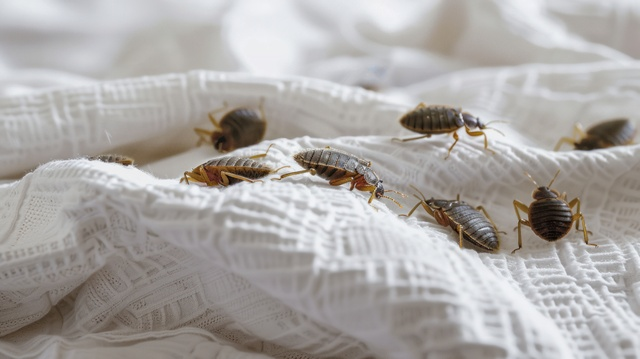
Bed bugs are difficult to eliminate because they hide in narrow seams, furniture joints, baseboards, wall-side gaps, and other protected spaces close to where people rest. Adults, immature bugs, and eggs may occupy different locations, so visible activity rarely shows the infestation’s full extent.
Professional heat treatment uses controlled temperatures to affect bed bugs throughout treated areas, including places that may be difficult to reach with surface applications alone. Successful service depends on inspection, preparation, airflow, monitoring, and follow-up. This structured pest control process gives technicians the information and control needed to address every detectable life stage safely and efficiently.

Heat Reaches Concealed Bed Bug Harborages
Bed bugs can flatten their bodies and move into gaps no wider than a card. They may remain behind headboards, beneath carpet edges, inside upholstered furniture, or around electrical and structural transitions. Treating only exposed surfaces can leave protected insects and eggs behind.
Professional heat service is designed to reach:
- Mattress seams, bed frames, and furniture joints
- Baseboards, flooring edges, and wall-side crevices
- Upholstered chairs, couches, and nearby resting areas
- Selected belongings that can safely remain in place
- Concealed zones where direct application is difficult
Technicians use specialized equipment to raise temperatures gradually and distribute heat throughout the treatment area. This is different from simply making a room feel hot. The objective is to bring target locations into an effective range long enough to affect hidden activity.
Inspection Shapes A Complete Treatment Plan
Heat works best when it follows a detailed inspection. Technicians examine sleeping areas, furniture, adjoining rooms, travel patterns, secondhand items, and reported sightings to understand how far activity may have spread. The wider principles behind long-term pest strategies are especially relevant because inspection, treatment, monitoring, and prevention must work together.
An assessment also helps determine whether heat is appropriate. Some items may need to be removed, protected, or handled separately. Fire-suppression devices, temperature-sensitive belongings, electronics, medications, pressurized containers, plants, pets, and food products may require specific preparation.
Clear instructions reduce delays and help technicians maintain safe access throughout the service.
Controlled Temperatures Address Every Life Stage
Bed bug eggs can be harder to affect than exposed adults, and newly emerged insects may restart activity when treatment does not reach the full life cycle. Professional heat systems are designed to create controlled, sustained conditions rather than brief temperature spikes.
A trained heat-treatment team may:
- Position heaters and fans according to room layout
- Place sensors in cooler and hard-to-reach areas
- Track temperatures throughout the treatment period
- Move selected items to improve heat circulation
- Adjust equipment when readings show uneven conditions
Monitoring matters because rooms do not heat uniformly. Furniture, insulation, flooring, air pockets, and building materials can create cooler zones. Technicians use real-time readings to identify these areas and adjust airflow or equipment placement. This prevents reliance on one thermometer or an assumed room temperature.
Customized Service Protects The Property
No two infestations or buildings are identical. Apartments, single-family homes, hotels, and furnished rentals differ in layout, construction, belongings, access, and occupancy. The value of customized treatment planning is that the service can be shaped around the actual evidence and physical conditions rather than applied as a one-size-fits-all procedure.
Professional planning may account for:
- The number and location of affected rooms
- Furniture density and likely hiding areas
- Adjoining units or shared-wall concerns
- Temperature-sensitive materials and safety systems
- Preparation, access, and post-treatment monitoring needs
Technicians also evaluate whether heat should be combined with focused treatment, inspection of surrounding areas, or follow-up checks. This property-specific approach limits unnecessary disruption while keeping attention on confirmed and likely harborages.
Follow-Up Confirms Results And Reduces Reintroduction
Heat can provide broad coverage within a treated area, but long-term success still depends on what happens afterward. Bed bugs can be reintroduced through travel, luggage, guests, used furniture, shared laundry, or adjoining spaces. Follow-up helps distinguish surviving activity from a new introduction.
A complete pest control plan may include:
- Reinspection of beds, furniture, and previously active areas
- Monitoring for live bugs, spotting, eggs, or shed skins
- Review of travel and secondhand-item precautions
- Additional focused service when evidence justifies it
- Clear guidance for reporting new sightings promptly
Follow-up also confirms whether treatment reached the intended areas. Technicians can compare new findings with the original inspection and determine whether any remaining evidence is old or active.
The main advantage of professional heat treatment is not heat alone. It is the controlled process surrounding it. Inspection identifies where activity may be hiding. Preparation protects belongings and improves access. Specialized equipment creates and distributes effective temperatures. Sensors verify conditions in cooler zones. Follow-up provides evidence that the plan worked.
That combination is difficult to reproduce without training and purpose-built equipment. A carefully managed heat service offers a more complete response than reacting only to visible bed bugs or relying on surface treatment in areas where insects may remain concealed.
Bring Restful Nights Back Into Reach
Contact Archer Termite & Pest Control for professional bed bug inspection, controlled heat treatment, customized planning, and dependable follow-up.