

Homes with children and pets require pest management that considers more than whether a treatment removes insects or rodents.
Professional pest control is designed around inspection, correct product selection, precise application, and clear safety instructions. Trained technicians can focus service on areas where pest activity is occurring while helping families understand preparation and aftercare.
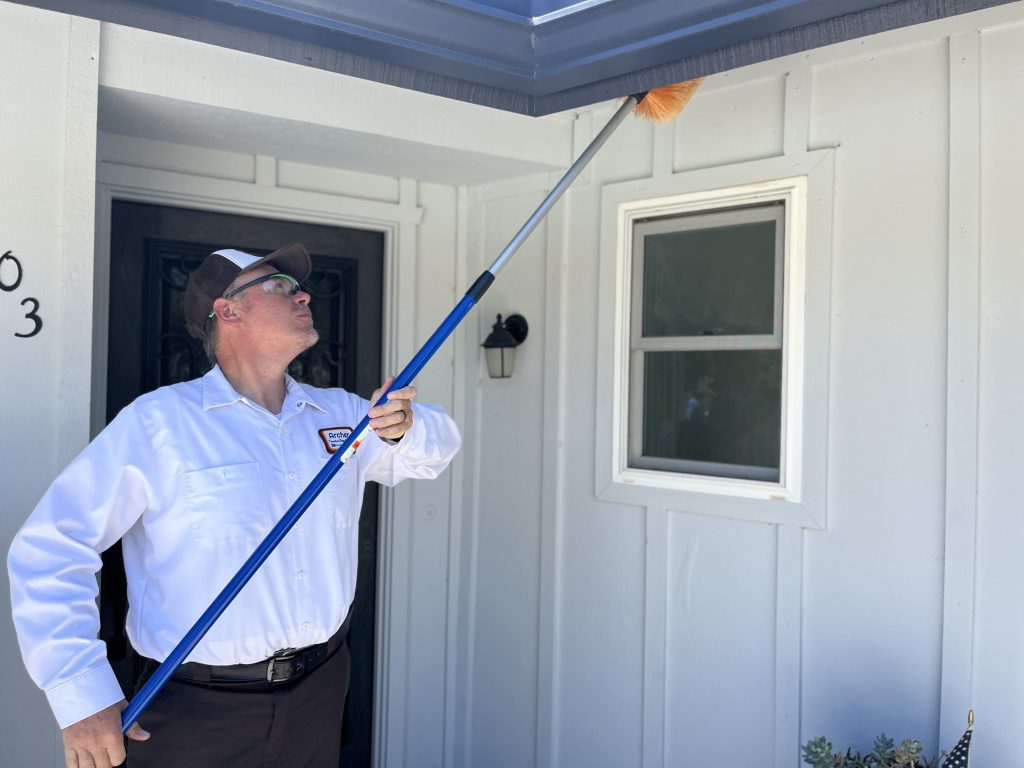
Precision Reduces Unnecessary Treatment Around Living Areas
One of the biggest advantages of professional service is the ability to target treatment. Ants, cockroaches, spiders, rodents, termites, fleas, bed bugs, and other pests do not all behave the same way, so effective control should not rely on broad application without identifying the source.
A professional inspection can help determine:
- Where pests are entering, nesting, or traveling
- Which rooms or exterior areas show confirmed activity
- Whether moisture, food, or shelter is contributing
- Which treatment method fits the pest involved
- Where products can be placed with minimal unnecessary exposure
- Whether exclusion or prevention can reduce treatment needs
Well-designed custom treatment plans allow technicians to match the approach to the home, infestation, and occupants. That precision can be especially valuable in households with children or pets because treatment can concentrate on confirmed problem areas instead of being applied indiscriminately.
Correct Product Selection Matters For Family Safety
Pest-control products differ in formulation, application method, intended location, and label requirements. Professional technicians are trained to select products according to the pest and property conditions rather than simply choosing the strongest available option.
The goal is to use enough treatment to control the problem without unnecessary application. Depending on the situation, service may involve localized treatments, baiting, exclusion, monitoring, or other methods that reduce the need to treat large areas.
Professionals also understand where certain products should and should not be used. Food-preparation surfaces, pet feeding areas, children’s play spaces, bedrooms, and outdoor gathering areas may require different precautions.
It depends on correct placement, correct amount, label compliance, and appropriate preparation before service begins.
Home Preparation Helps Protect Kids And Pets
Families play an important role in creating a safe treatment environment. Before service, technicians may recommend moving certain belongings, storing food, securing pet items, or keeping children and animals away from specific areas.
Preparation may include:
- Storing food and cooking items when treatment affects kitchens
- Moving pet bowls, toys, bedding, or cages as directed
- Clearing access to baseboards or other treatment zones
- Covering aquariums when specific service instructions require it
- Keeping children and pets away during application
- Following the recommended re-entry time after treatment
Following proper home preparation helps technicians work accurately while reducing unnecessary contact with treated areas. Instructions can vary depending on the pest and treatment method, so homeowners should follow the guidance provided for their specific service rather than relying on general assumptions.
Children and pets also benefit when homeowners receive clear instructions instead of guessing about cleaning, access, or re-entry. That guidance supports consistent safety practices before, during, and after service.
Professional Inspection Can Reduce Repeated Exposure
Repeated pest problems can lead to multiple over-the-counter applications. When the source is not identified, those efforts may continue for weeks while pests remain active behind walls, beneath appliances, inside furniture, or around exterior entry points.
Professional pest control takes a different approach by looking for the reason activity continues. An ant problem may involve a colony outside the structure. Cockroaches may be supported by moisture around plumbing. Rodents may be using a roof or garage opening. Bed bugs may be established beyond the mattress.
Finding those sources can reduce the cycle of repeated, unfocused treatment. It also allows prevention measures such as sealing gaps, correcting moisture, or improving sanitation to become part of the plan.
For families with children and pets, fewer unnecessary applications and a clearer treatment strategy can make pest management easier to control and understand.
Follow-Up And Communication Support Long-Term Safety
Safe pest management does not end when treatment is applied. Families should know what to expect afterward, which areas were treated, when normal activity can resume, and what signs should be monitored.
A professional long-term approach may include:
- Explaining treatment locations and important precautions
- Providing clear re-entry and aftercare instructions
- Monitoring high-risk areas for continued pest activity
- Adjusting treatment if pests shift to another location
- Recommending exclusion or sanitation improvements
- Scheduling follow-up when the infestation requires additional service
Follow-up helps determine whether treatment is working instead of encouraging repeated application without evidence.
The safest approach is usually the most deliberate one. Accurate identification, targeted placement, careful preparation, and ongoing communication allow pest problems to be addressed while keeping unnecessary exposure as low as practical. Professional service brings those pieces together into a plan that considers both effective control and the way a family actually uses the home.
Protect Your Home With A More Thoughtful Approach
If you need pest control that considers children, pets, property conditions, and long-term prevention, contact Archer Termite & Pest Control for a professional inspection and treatment plan tailored to your home.