
Preparing for a pest control treatment is not simply about making space for technicians. It is a crucial part of ensuring that the treatment works as intended. A well-prepared home allows products to reach the areas where pests hide, reduces obstacles that limit effectiveness, and helps maintain safety for everyone inside.
Each pest behaves differently, whether it involves ants, spiders, cockroaches, rodents, or termites. Because of this, preparation steps are designed to support the specific treatment approach being used. While instructions may vary slightly depending on the situation, there are consistent practices that help improve results across most pest control scenarios.
Understanding what to do before treatment begins allows homeowners to approach the process with clarity and confidence. It also ensures that the effort invested in treatment delivers long-term benefits rather than temporary relief.
Clearing And Organizing Key Areas
One of the most important steps in preparing for a pest control treatment is creating access. Pests often hide in areas that are difficult to reach, such as behind furniture, inside cabinets, or along baseboards.
Focus on these preparation steps:
- Move furniture slightly away from walls to expose baseboards and corners
- Clear items from under sinks and inside cabinets where activity may be present
- Remove clutter from floors to allow full access to treatment areas
- Organize storage spaces to make hidden areas more visible
Creating space allows technicians to treat the areas where pests are most likely to travel or nest. When access is limited, certain sections may remain untreated, which can lead to continued activity.
This step is particularly important for pests that rely on tight spaces, such as cockroaches or ants. Even small gaps can provide shelter, making thorough access essential for effective coverage.
Cleaning Before Treatment Begins
A clean environment supports better treatment results. While pest control products are designed to be effective, excessive debris or residue can reduce their ability to reach target areas.
Before the scheduled visit, consider the following:
- Vacuum carpets and floors to remove food particles and pest debris
- Wipe down kitchen surfaces to eliminate grease and residue
- Take out trash to reduce attractants
- Store food in sealed containers to limit exposure
Cleaning does not remove pests entirely, but it reduces the conditions that allow them to thrive. It also helps ensure that treatments are applied to surfaces that are not obstructed by buildup.
For additional context on what to expect after treatment, our recent article on post-treatment timing explains how preparation and follow-up work together to maintain effectiveness.
Consistency matters. Preparing the environment before treatment sets the stage for better results afterward.
Preparing Pets And Household Members
Safety is a central consideration during any pest control treatment. Preparing pets and household members helps minimize exposure and ensures a smooth process.
Important steps include:
- Relocating pets to a safe area during treatment
- Removing pet food and water bowls from treated spaces
- Covering or storing aquariums securely
- Planning temporary arrangements if required for specific treatments
Pets are often more sensitive to environmental changes, so taking precautions helps protect their well-being. Preparation may vary depending on the type of treatment being applied, which is why clear communication is important.
Guidance for homes with animals is discussed further in our resource about preparing homes with pets, where specific considerations can influence both safety and effectiveness.
Taking these steps ensures that the treatment process can proceed without unnecessary interruptions.
What To Expect During And After Treatment
Understanding what happens during and after a pest control treatment helps reduce uncertainty. While preparation focuses on readiness, knowing what comes next ensures that the results are maintained.
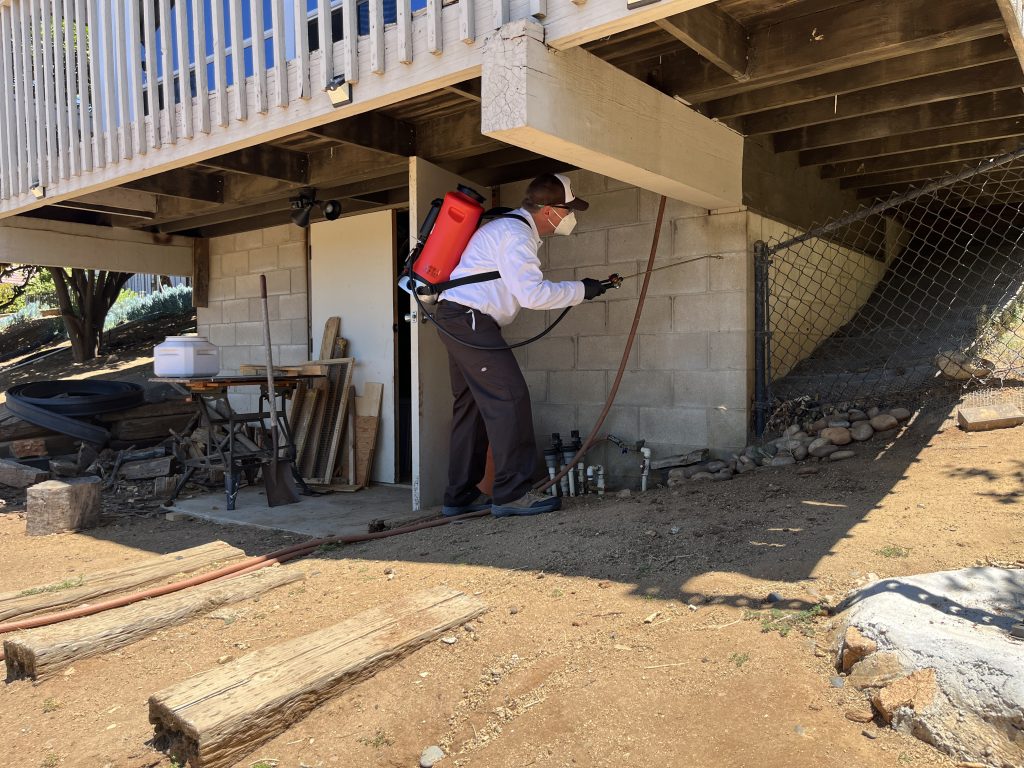
During treatment, technicians apply products to targeted areas based on pest activity. This may include interior spaces, exterior perimeters, or specific entry points.
After treatment, homeowners should:
- Allow sufficient time before reentering treated areas if advised
- Avoid cleaning treated surfaces immediately to preserve effectiveness
- Monitor activity levels to track improvements over time
- Follow any specific instructions provided for ongoing care
Each of these steps supports the longevity of the treatment. Cleaning too soon or ignoring follow-up guidance can reduce effectiveness and allow pests to return.
Pest control is not always a one-time event. Some situations require monitoring and additional visits to ensure that the entire population has been addressed.
Why Preparation Plays A Critical Role In Results
Preparation is often underestimated, yet it directly influences the success of a pest control treatment. When a home is properly prepared, treatments can be applied more precisely and reach the areas where pests are most active.
This process also helps identify potential contributing factors, such as moisture issues, food sources, or structural gaps. Addressing these conditions supports long-term control and reduces the likelihood of recurring infestations.
Professional pest control is designed to go beyond surface-level solutions. It combines inspection, targeted application, and follow-up strategies to manage pest activity effectively. Preparation is the first step in this process, ensuring that each part of the treatment can perform as intended.
Even small adjustments, such as clearing a cabinet or moving a piece of furniture, can make a significant difference. These actions create the conditions needed for treatments to work efficiently and consistently.
A cleaner start for lasting protection
If you are preparing for a pest control treatment and want to ensure the best possible outcome, professional guidance can make all the difference. Connect with Archer Termite & Pest Control to approach the process with clarity, safety, and long-term confidence.