
Understanding how long to stay out of your home after a pest control service is one of the most common concerns homeowners have. It is a practical question, but the answer is rarely one-size-fits-all. The duration depends on several factors, including the type of treatment used, the severity of the infestation, and the specific areas treated.
From a professional standpoint, reentry timing is not just about comfort. It is about allowing treatments to work effectively while ensuring safety for everyone inside the home. Knowing what to expect can help you plan ahead and avoid disrupting the treatment process.
What Determines How Long You Should Stay Out
Several variables influence how long you should remain outside after a pest control service. Professionals consider these carefully before giving guidance.
- Type of treatment used. Liquid sprays, dust applications, fumigation, and bait systems all have different drying or settling times. Some allow same-day return, while others require longer waiting periods.
- Severity of infestation. Heavier infestations often require more intensive applications, which may extend the recommended time before reentry.
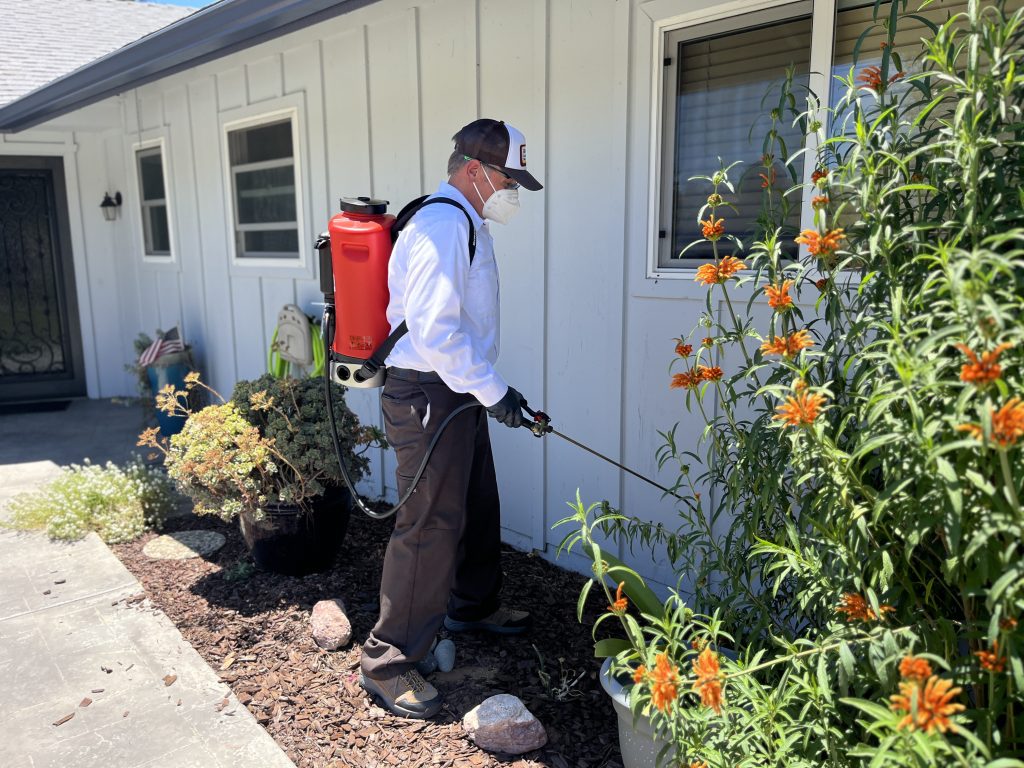
- Areas treated. If treatments are limited to exterior zones, reentry may be immediate. Interior applications may require more caution.
- Ventilation conditions. Homes with better airflow tend to clear residual odors or airborne particles more quickly.
- Product formulation. Modern pest control solutions are designed to be targeted and controlled, but each product still has specific safety instructions.
Understanding how services vary in scope and approach can also help set expectations. In our recent article on pest control pricing factors, we break down how treatment types and property conditions influence service decisions.
Typical Reentry Timeframes After Treatment
While exact timing should always come from your pest control provider, there are general guidelines that help set expectations.
- General interior spray treatments. Most homeowners can return after two to four hours once treated surfaces have dried.
- Gel baits and traps. These often allow immediate reentry since they are contained and placed strategically.
- Fogging or aerosol treatments. These may require several hours of vacancy to allow particles to settle and air to clear.
- Fumigation services. This is the most intensive option and can require 24 to 72 hours before safe reentry.
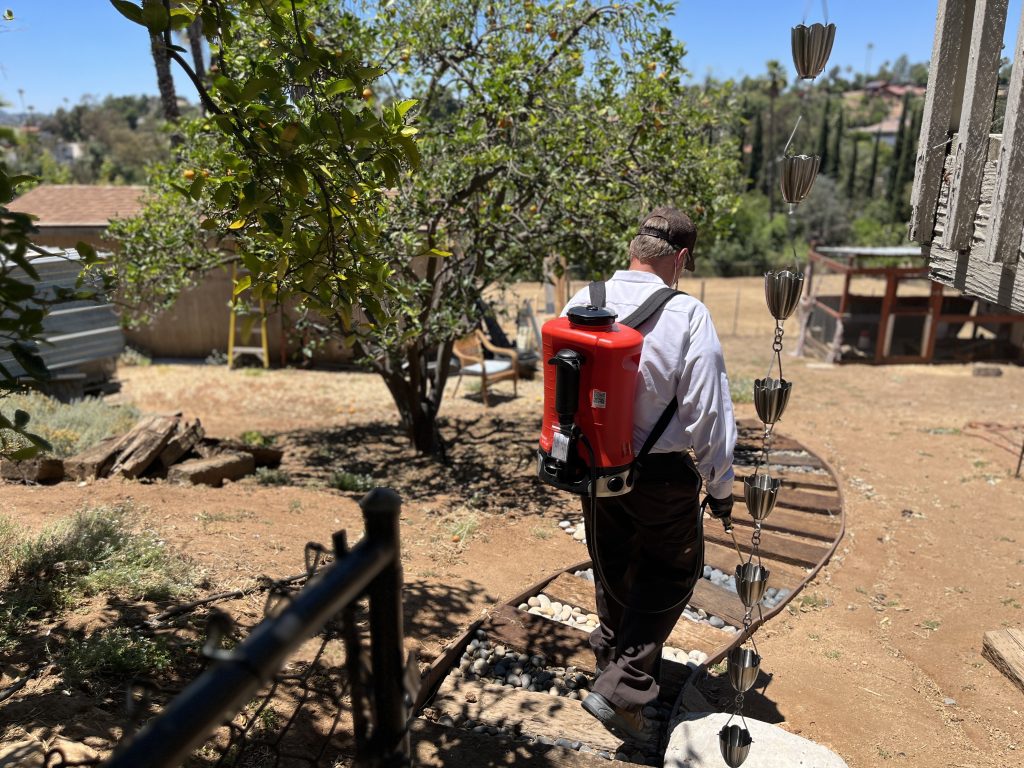
- Exterior-only treatments. These typically do not require leaving the home at all.
It is important to follow the exact timing provided after your service. Professionals tailor these recommendations based on your home and the treatment plan.
Why Waiting Matters for Safety and Effectiveness
Leaving your home for the recommended period is not just a precaution. It directly supports both safety and treatment performance.
- Allows products to settle properly. Disturbing treated areas too soon can reduce effectiveness.
- Prevents unnecessary exposure. Even low-toxicity products should be respected during the application and drying stages.
- Improves long-term results. Giving treatments time to work helps eliminate pests more thoroughly.
- Supports targeted control. Many treatments rely on pests coming into contact with treated surfaces over time.
Professional pest control is designed to balance effectiveness with safety. Following reentry guidelines is part of that balance.
Special Considerations for Families and Pets
Households with children, pets, or sensitive individuals may need to take additional precautions. Planning ahead makes the process smoother.
- Keep pets away from treated areas until surfaces are completely dry.
- Store food, toys, and bedding securely before treatment begins.
- Clean only as instructed to avoid removing active treatment residues.
- Ask for pet-safe treatment options when scheduling service.
- Monitor behavior after returning home to ensure comfort and normal activity.
Preparation plays a key role in ensuring a smooth experience. As shared in our guide on preparing homes with pets, a few proactive steps can help protect both your pets and the effectiveness of the treatment.
How to Know When It Is Safe to Return
Your pest control provider will always give the most accurate recommendation, but there are a few general indicators homeowners can look for.
- Treated surfaces are completely dry to the touch.
- There is no lingering strong odor in enclosed spaces.
- Windows or ventilation have been used if advised.
- Instructions provided after the service have been fully followed.
When in doubt, it is always better to wait a little longer rather than return too soon. Professional guidance is based on both safety standards and experience in handling different pest situations.
Reentry timing is ultimately part of a broader approach. Effective pest control is not just about eliminating visible activity. It involves careful planning, proper application, and adherence to post-treatment guidelines to achieve lasting results.
A Smarter Step Toward a Pest-Free Home
If you want clear guidance and dependable results, it is worth working with experienced professionals who understand both safety and effectiveness. Reach out to Archer Termite & Pest Control to learn more about how treatments are handled and what to expect before, during, and after service.