
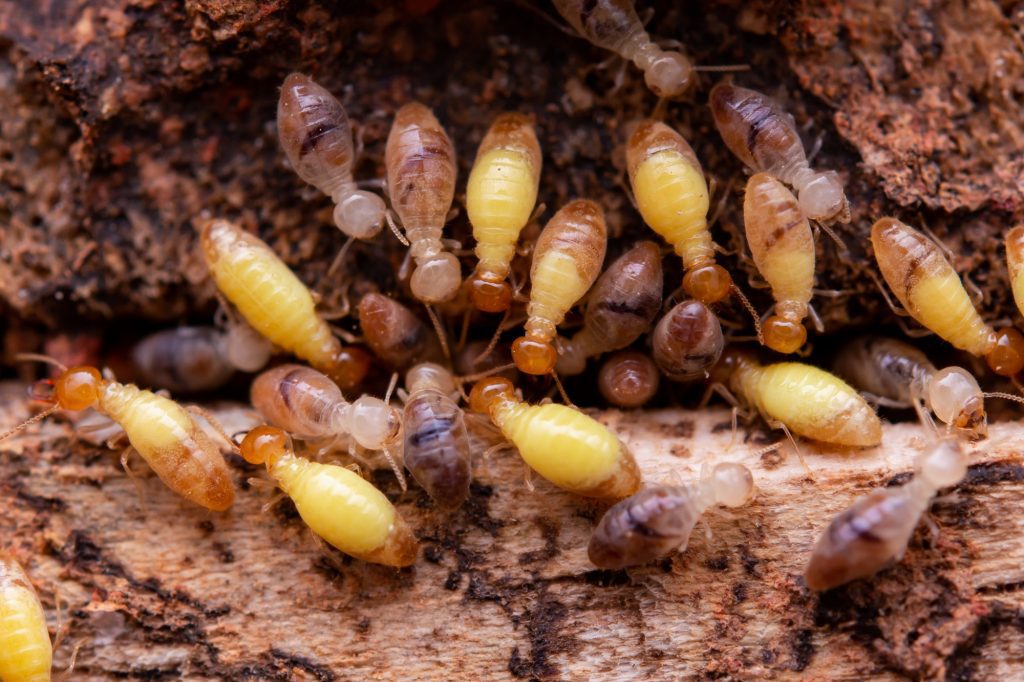
Termite activity can compromise the structure of a home long before visible damage appears. When treatment becomes necessary, preparation plays a critical role in ensuring that termite pest control is effective, efficient, and long-lasting. Many homeowners focus only on the treatment itself, but the steps taken beforehand can directly influence the outcome.
From a professional perspective, preparation is not simply about clearing space. It involves creating the right conditions for technicians to access key areas, apply treatments accurately, and ensure that the entire property is properly addressed. Understanding these steps helps homeowners avoid delays and ensures that the process moves forward without complications.
Why Proper Preparation Matters Before Treatment
Termite treatments are designed to target hidden colonies, entry points, and areas where activity is most likely to occur. Without proper preparation, access to these areas may be limited, reducing the effectiveness of the service.
- Full accessibility. Technicians need clear access to walls, baseboards, and structural points
- Accurate application. Treatments must be applied precisely to affected and vulnerable areas
- Safety considerations. Proper preparation reduces risks during the treatment process
- Time efficiency. Clear spaces allow the process to proceed without unnecessary delays
- Comprehensive coverage. Ensures no sections of the home are overlooked
These factors highlight why preparation is a necessary part of termite pest control. Skipping or overlooking steps can lead to incomplete treatment, which may allow termite activity to continue.
Understanding early indicators also helps guide preparation. In our recent article on hidden termite signs, subtle warning signs that often go unnoticed are explored in detail.
Preparing Interior Spaces for Termite Treatment
Interior preparation focuses on creating a clean and accessible environment where treatments can be applied effectively. This step ensures that technicians can reach areas where termites are most likely to be active.
- Move furniture away. Create space along walls and baseboards
- Clear storage areas. Remove items from closets, cabinets, and under sinks
- Protect belongings. Cover or relocate sensitive items if necessary
- Access utility areas. Ensure entry points, such as water heaters and pipes, are reachable
- Secure pets. Keep animals away from treatment zones for safety
These actions help streamline the process and reduce interruptions. Interior preparation also ensures that treatments can reach hidden areas where termite activity may be present.
Avoiding common preparation errors is equally important. In our blog post on prep mistakes to avoid, the most frequent oversights that affect treatment outcomes are discussed further.
Getting Exterior Areas Ready for Treatment
Termite activity often begins outside the home before moving indoors. Preparing exterior spaces allows technicians to address these entry points effectively.
- Clear foundation areas. Remove debris, mulch, and vegetation near the structure
- Trim landscaping. Ensure plants do not block access to walls or entry points
- Remove wood contact. Keep firewood and wooden items away from the foundation
- Check drainage. Eliminate standing water that may attract termites
- Provide access points. Unlock gates and clear pathways around the property
Exterior preparation is essential for creating a complete treatment plan. Termite pest control must address both indoor and outdoor conditions to prevent reinfestation.
What to Expect on the Day of Treatment
Knowing what to expect during the treatment process helps homeowners feel more prepared and ensures that everything runs smoothly. Professional services follow a structured approach designed to maximize effectiveness.
- Initial walkthrough. Technicians review the property and confirm preparation steps
- Treatment application. Targeted solutions are applied to identified areas
- Monitoring setup. Systems may be installed to track ongoing activity
- Safety guidance. Instructions are provided for reentry and post-treatment care
- Follow-up planning. Future visits or inspections may be scheduled
This process is designed to address both active infestations and potential risk areas. Each step is carried out with precision to ensure that the treatment is thorough and effective.
Preparation plays a direct role in how smoothly this process unfolds. A well-prepared home allows technicians to focus on the application rather than adjustments, improving overall results.
How Preparation Supports Long-Term Termite Control
Termite treatment is not a one-time solution. Long-term success depends on both the initial application and the conditions that follow. Proper preparation contributes to a more stable and controlled environment.
When access is clear and treatments are applied correctly, the likelihood of missed areas is reduced. This creates a stronger barrier against future activity. Additionally, preparation often involves removing conditions that attract termites, such as excess moisture or wood contact with the structure.
Professional termite pest control also includes ongoing monitoring and preventative strategies. These measures ensure that any new activity is detected early and addressed before it becomes a larger issue.
Without proper preparation, even the most advanced treatments may not achieve their full potential. A coordinated effort between the homeowner and professional service ensures that results are both effective and lasting.
Set the Stage for a Stronger, Protected Home
Preparing for termite treatment is a critical step in protecting your home from ongoing damage. A well-prepared space allows treatments to be applied with precision and ensures that no area is overlooked.For expert guidance and dependable termite pest control, contact Archer Termite & Pest Control and take the next step toward a safer, well-protected home.