
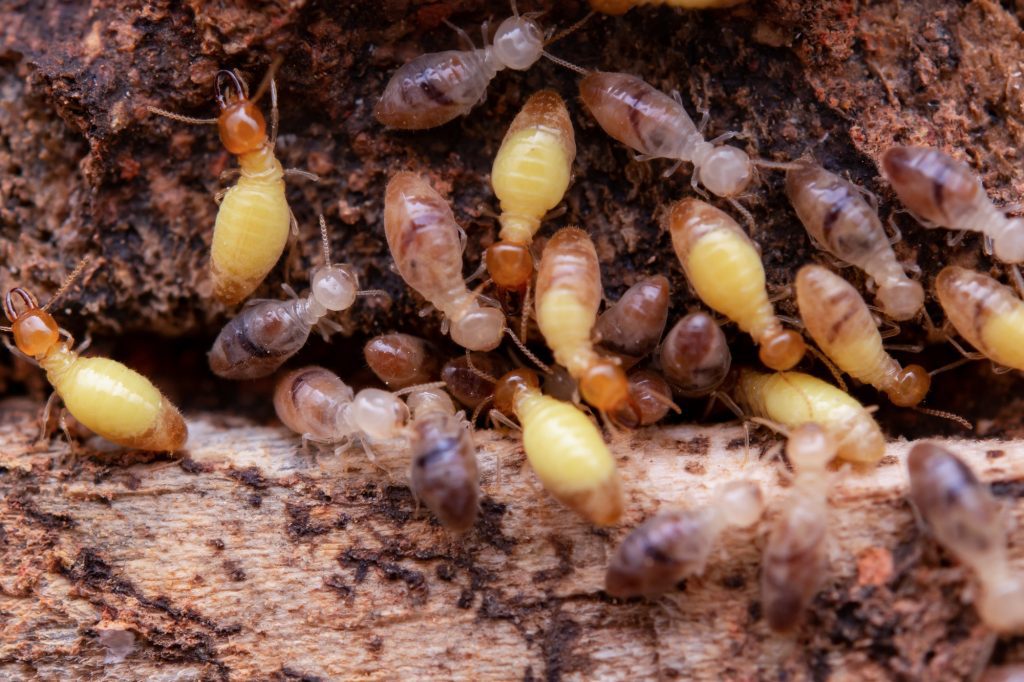
Termites are often called “silent destroyers” for a reason. These pests can cause extensive structural damage long before homeowners realize there is a problem. Because the early indicators are subtle and easily overlooked, infestations frequently progress until repairs become costly. Understanding what to watch for and how professional termite control addresses these issues is key to safeguarding your property.
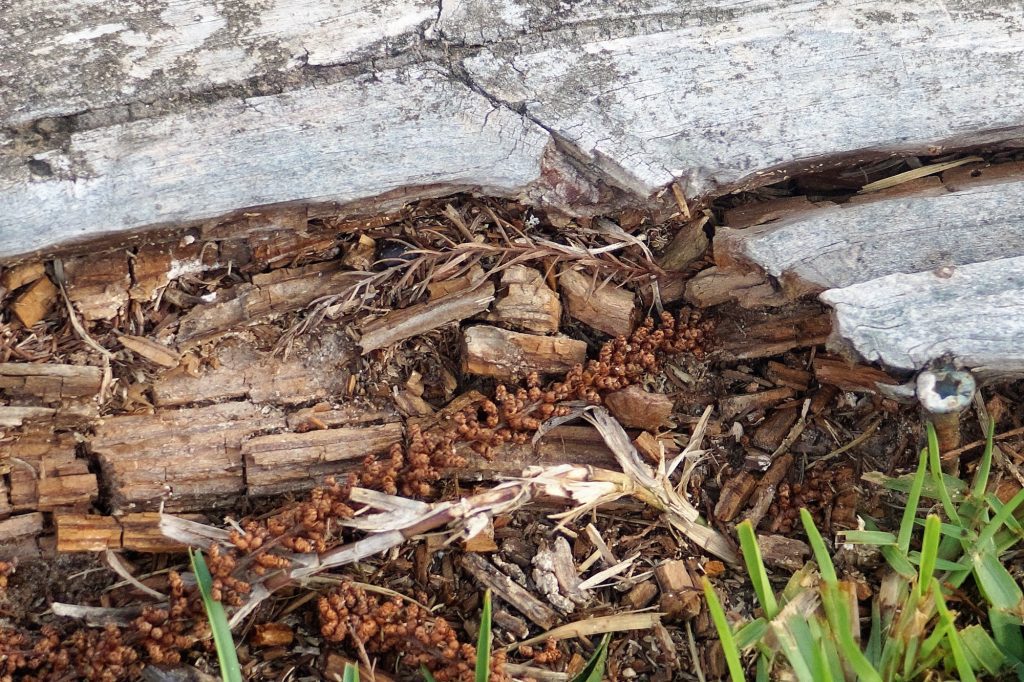
Subtle Damage to Wood and Surfaces
One of the most common signs of termites is damage to wood that seems minor on the surface but is severe underneath. Termites consume wood from the inside out, leaving behind thin layers that may look intact until tapped or pressed.
- Hollow sounds: When wooden beams, floors, or furniture are tapped, they may sound hollow if termites have consumed the inside.
- Buckling floors: Areas of flooring may appear warped or raised due to weakened support structures.
- Soft wood: Wooden trim or window sills that feel soft when pressed could indicate hidden damage.
- Paint irregularities: Bubbling or uneven paint may signal termites traveling beneath the surface.
These signs are easily mistaken for moisture damage, making professional inspection essential to confirm the cause.
Discarded Wings and Mud Tubes
Physical evidence of termites is often subtle but present in areas that homeowners do not routinely examine. Swarming termites shed their wings as they search for new colony locations, while workers construct protective tubes to travel unseen.
- Shed wings: Piles of small, equal-sized wings near windows, doors, or light fixtures are strong indicators of termite activity.
- Mud tubes: Pencil-sized tunnels made of soil and saliva appear on foundations, crawl spaces, or walls. These structures allow termites to move safely between soil and food sources.
- Dark spots: Small areas of dirt-like material may be overlooked as dust but can signal mud tube construction.
- Moisture stains: Areas where mud tubes trap moisture can leave discoloration along walls or baseboards.
Since mud tubes are often hidden in less visible areas, their presence suggests an established colony that requires immediate action. Even when homeowners find discarded wings, it is usually after a swarm has already taken place, meaning the colony is mature and actively expanding. This is why professionals emphasize early detection and thorough inspections to prevent extensive damage.
Unusual Sounds and Activity Patterns
Termite activity is not always silent. Colonies generate small but noticeable noises that attentive homeowners may detect. While these sounds are faint, they serve as warnings when combined with other signs.
- Clicking within walls: Soldier termites bang their heads or shake their bodies to warn the colony of disturbances.
- Rustling wood: Active feeding sometimes creates faint rustling sounds inside beams or floorboards.
- Nocturnal activity: Termites are more active in darkness, making nighttime the most likely time to detect faint noises.
- Increased insect sightings: Swarming termites may appear during spring and summer, but are often mistaken for flying ants.
These faint noises may be dismissed as the house “settling” or even the activity of other pests, which delays proper identification. By the time homeowners connect the sounds to termite activity, the infestation may already be well-established. Professional inspections use advanced detection tools to confirm these subtle cues and provide accurate assessments before the damage worsens.
Why DIY Misses the Bigger Picture
Many homeowners attempt to address termites with surface treatments or general sprays, but these methods rarely eliminate entire colonies. DIY efforts often miss hidden nests, leaving the infestation to continue unseen.
- Shallow coverage: Over-the-counter products do not penetrate deep enough into wood or soil.
- Misidentification: Termites are frequently confused with ants, delaying proper treatment.
- Temporary relief: Visible termites may be killed, but colonies remain unaffected.
- Increased resistance: Repeated surface treatments may cause termites to relocate, spreading the infestation further.
Resources on why DIY methods fall short emphasize how ineffective home remedies often worsen long-term outcomes. Professional expertise ensures that treatments reach the source, protecting both the structure and future stability of the property.
Professional Solutions for Termite Control
When subtle warning signs emerge, professional termite control offers thorough solutions designed to stop damage at its source. Experts use advanced detection tools and treatment methods to address infestations more effectively than DIY efforts.
- Comprehensive inspections: Specialists identify hidden colonies in attics, crawl spaces, and wall voids.
- Targeted treatments: Solutions penetrate soil and wood, eradicating termites where they nest and feed.
- Long-term monitoring: Ongoing protection plans track future activity and prevent reinfestation.
- Customized strategies: Treatment is adapted to each property’s age, structure, and environmental factors.
Modern termite treatment options go beyond one-time fixes, focusing on prevention as well as elimination. This approach minimizes future risks while protecting the investment homeowners have in their properties.
Protect Your Home From Silent Damage
Missing the early signs of termites can lead to serious and expensive repairs. Subtle clues like hollow wood, mud tubes, or discarded wings should never be ignored. For thorough inspections and proven protection, contact Archer Termite & Pest Control and safeguard your home from hidden infestations.