
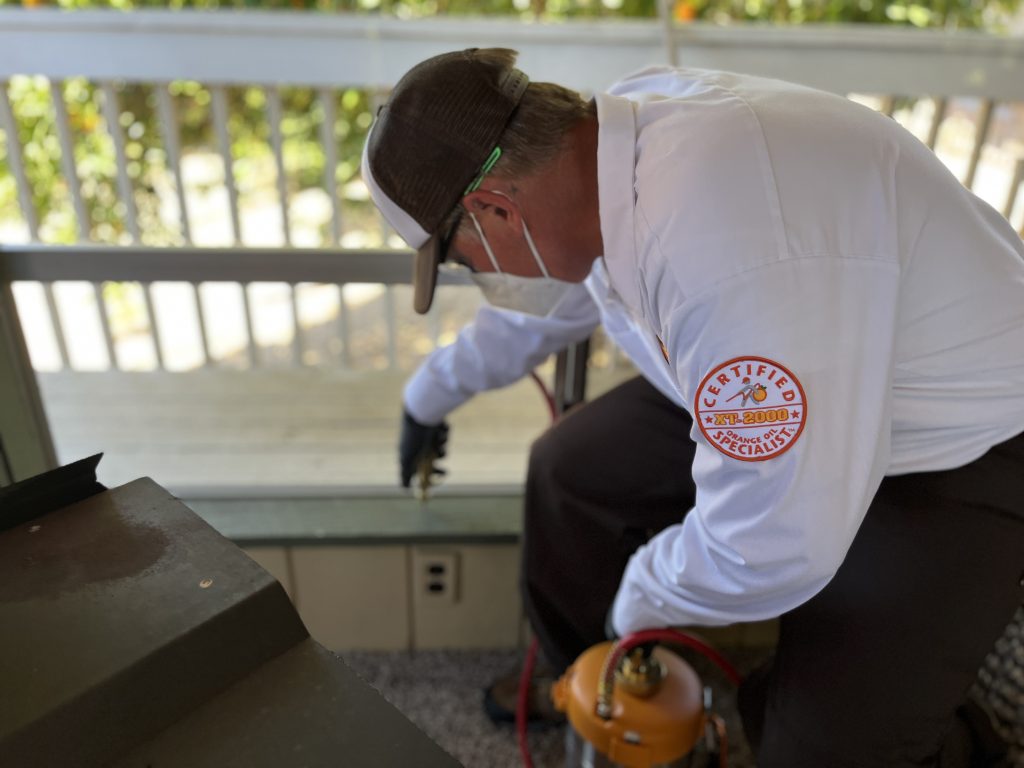
As temperatures fall and outdoor conditions shift, pests begin seeking warmth, food, and shelter inside homes. Winter is one of the most active seasons for interior infestations because many species rely on heated structures to survive colder months. This makes pest maintenance plans especially important for preventing hidden activity from growing into costly problems. Understanding why pests behave differently during winter and how structured protection works can help homeowners safeguard their property more effectively.

Why Winter Pest Activity Increases Indoors
Pests respond quickly to seasonal changes. When temperatures decline, they adjust migration patterns, nesting behavior, and feeding routines. Many species that typically live outdoors during warmer months start moving inside once cold weather removes their access to natural shelter and food sources.
Common winter intruders include rodents, ants, spiders, roaches, and occasional overwintering insects. Although some homeowners believe winter brings fewer pest concerns, the opposite is often true. The shift toward indoor survival makes infestations more concentrated in kitchens, attics, basements, and crawl spaces. Our discussions on pre-winter ant behavior show how quickly ants can relocate indoors when exposed to colder temperatures.
This seasonal pressure makes early planning essential. Without structured winter pest control, hidden colonies may grow unchecked until spring, when infestations become more noticeable and harder to manage.
How Pest Maintenance Plans Strengthen Winter Protection
Pest maintenance plans provide consistent oversight that adapts to seasonal needs. Winter requires a different approach compared to other times of the year because pests behave more strategically and conceal themselves more effectively. A recurring plan ensures that specialists monitor these changes and adjust treatments to maintain strong protection.
Core advantages of pest maintenance plans include:
- Scheduled inspections that catch early signs of activity
- Treatments tailored to winter pest control patterns
- Barrier applications that withstand moisture and cold
- Ongoing adjustments as seasonal conditions evolve
These plans help prevent infestations before they gain momentum. Instead of reacting to large populations in spring, homeowners benefit from continuous monitoring that keeps winter activity under control. This reduces the likelihood of structural damage, food contamination, or contamination of living areas.
A related resource discussing long-term cost prevention reinforces the importance of proactive care. Identifying problems early often saves homeowners from more extensive repairs later.
Key Winter Pests and Why They Require Consistent Oversight
Not all pests behave the same way during winter, which is why generalized or one-time treatments often fall short. Understanding the unique challenges of each species highlights the value of a structured plan.
Rodents
- Seek insulation in walls and attics.
- Cause damage to wiring, insulation, and stored belongings
- Reproduce quickly once sheltered indoors.
Ants
- Enter through microscopic gaps.
- Form large indoor colonies in response to cold weather.
- Target food storage areas and moisture zones
Roaches
- Thrive in heated kitchens and bathrooms.
- Hide in cracks and under appliances.
- Spread bacteria and allergens.
Spiders
- Hunt indoor insects that also move indoors
- Nest in undisturbed spaces like corners, closets, and basements
These pests require a combination of inspection, targeted treatment, and sealing work to remain controlled. Pest maintenance plans ensure nothing is missed and that treatments evolve with the changing seasons.
Why Relying on DIY Winter Treatments Often Does Not Work
Homeowners often try to handle winter pest control using store-bought sprays, traps, or natural mixtures. While these methods may reduce visible activity for a short period, they do not address the deeper problems that drive winter infestations.
DIY limitations include:
- Inability to reach concealed nesting sites
- Short-lived effectiveness in cold or damp environments
- Lack of proper monitoring over time
- Treatments that do not match the species’ behavior or lifecycle stage
Winter pests hide in insulated voids that basic methods cannot reach. Rodents, for example, can nest behind walls while ants may travel through unseen pathways beneath flooring. Without thorough inspection and a targeted strategy, these pests continue growing out of sight.
Professionals conducting pest maintenance plans use detailed knowledge of behavior patterns, weather influences, and structural vulnerabilities to provide long-term solutions. This approach protects the home far more effectively than short-term DIY attempts.
Long-term Value of Seasonal Pest Maintenance Plans
Although winter pest control is essential, the benefits of pest maintenance plans extend beyond one season. Consistent treatment and monitoring build a healthier indoor environment and reduce long-term risk.
Key benefits homeowners experience include:
- Fewer infestations throughout the year
- Reduced repair costs due to early detection
- Improved indoor air quality and sanitation
- Greater comfort during high-pressure seasons
When problems are resolved early, homeowners avoid the stress of sudden infestations during busy months. Strong winter protection also leads to smoother transitions into spring and summer, when pest activity naturally increases outdoors and may attempt to enter the home.
Consistent maintenance shapes a stable, predictable pattern of prevention rather than relying on reactive treatment. This helps protect property value, supports healthier living conditions, and ensures the home remains secure throughout seasonal changes.
A Thoughtful Step Toward a Protected Home
If you want reliable protection that adapts to seasonal challenges, consult Archer Termite & Pest Control for expert guidance that strengthens your winter pest management strategy.