

As temperatures shift in Escondido, ants begin searching for steady warmth, food, and moisture. This seasonal behavior often drives colonies closer to residential structures, where small gaps and damp corners provide ideal shelter. Preparing before winter helps reduce the likelihood of ongoing infestations and the property damage that can accompany them. Understanding what attracts ants and how they move during cooler months gives homeowners a significant advantage in preventing seasonal problems.
A proactive approach is always more effective than reacting once ants have already settled inside. Winter preparation combines awareness, prevention, and strategic help when needed. With the right steps in place, homeowners can maintain a comfortable, pest-free home all season.
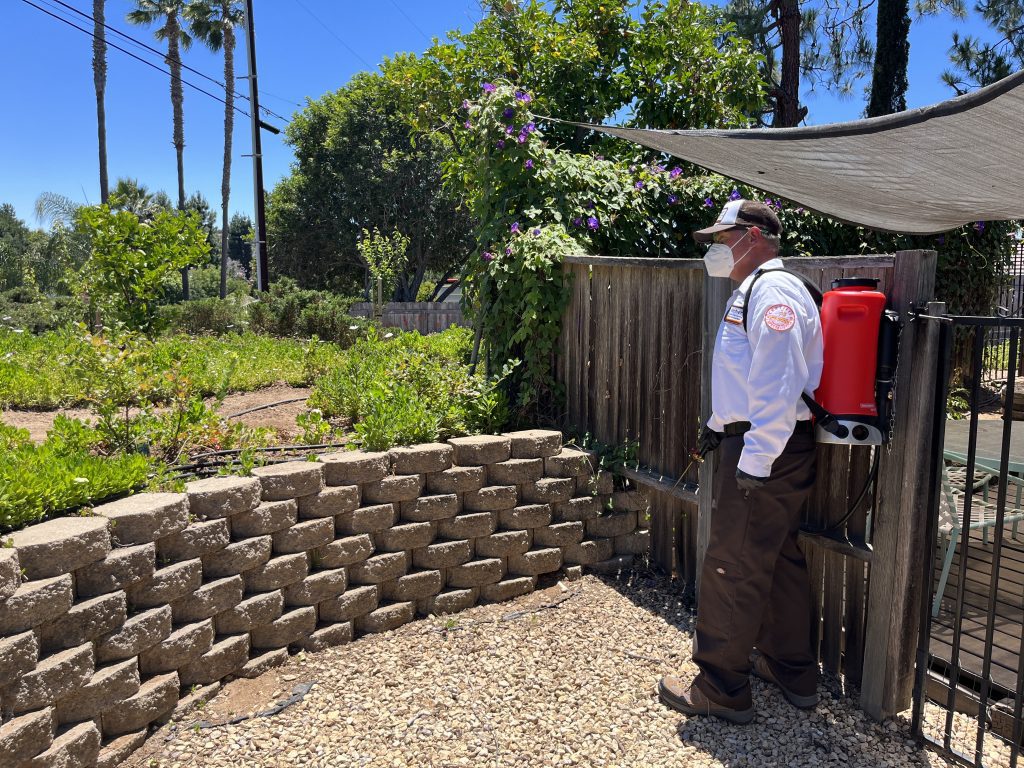
Understanding Why Winter Ant Activity Increases Indoors
Even in a mild climate like Escondido, winter influences how ants seek resources. Shorter days, cooler nights, and changes in humidity cause colonies to relocate or expand their foraging patterns. Ants typically shift from outdoor trails to structural entry points when natural food becomes scarce. Once they find warmth and moisture indoors, the colony quickly adapts and expands.
Key reasons for winter ant movement include:
- Greater need for stable indoor temperatures
- Attraction to moisture from pipes, crawlspaces, and kitchen areas
- Food availability inside pantries and pet feeding zones
Argentine ants, which dominate Southern California, can form massive interconnected colonies that move rapidly once inside. Carpenter ants, on the other hand, are drawn to softened or damp wood and can weaken structures over time. Understanding these tendencies allows for more accurate ant control and reduces the risk of recurring infestations as winter progresses.
Identifying Early Ant Activity Before Winter Fully Arrives
Ants rarely appear suddenly without showing small signs first. Spotting early indicators helps homeowners stop a minor issue before it grows into a winter-long problem. These initial warnings are often subtle and easy to overlook, but paying attention to them makes a noticeable difference.
Common early indicators include:
- Stray worker ants along baseboards or near windows
- Small debris piles resembling sawdust, associated with carpenter ants
- Increased activity near sinks, showers, or water heaters
- Expansion of outdoor trails leading toward the home
- A sudden rise in ant presence around pet bowls
These patterns suggest that ants are already scouting for winter shelter. Once a trail becomes established, ants may begin nesting inside walls or insulation. Professional inspections can identify colony locations that homeowners may not notice, which is explained well in resources discussing long-term savings through detailed evaluations. Early detection avoids more disruptive treatments later.
Key Pre-Winter Prevention Steps Every Homeowner Should Take
Pre-winter preparation focuses on removing the conditions that attract ants. While these steps do not replace targeted treatment when needed, they significantly lower the chance of an infestation developing during colder months. These efforts strengthen the home’s foundation against pests year-round.
Important steps include:
- Seal cracks along window frames, foundation lines, door thresholds, and utility passages
- Improve interior and exterior moisture control through proper drainage, ventilation, and plumbing checks
- Store pantry items in airtight containers and clean food spills promptly
Additional efforts such as trimming vegetation away from the home, repairing water-damaged wood, and maintaining dry storage areas also help reduce ant interest. When combined, these actions create a strong barrier that supports lasting ant control and reduces the likelihood of costly repairs caused by hidden colony activity.
Why DIY Treatments Often Miss the Root of the Problem
DIY products may offer quick visual results, but they rarely address the core of an ant colony. Over-the-counter sprays focus mostly on visible foragers rather than the queen or nesting sites. When ants detect irritation from chemicals, they may split their colony or relocate deeper into structural areas, making the issue harder to resolve.
Incorrect chemical use can also introduce unnecessary risks. Safe application requires understanding proper placement, dosage, and timing. Homeowners may unknowingly contaminate surfaces or create exposure issues for children and pets. Professional guidance, such as the information shared on this page about licensed experts, highlights why experienced handling is beneficial.
Professionals rely on strategic, research-based treatments tailored to species behavior and seasonal patterns. This targeted approach ensures that the colony is fully addressed rather than temporarily disrupted. It also supports longer-lasting results, reducing the cycle of repeated treatments that DIY solutions often lead to.
When To Consider Seasonal Ant Control Support
Some winter preparations are simple, but others require deeper evaluation. Ant populations that linger or grow despite good cleaning habits, sealing work, and moisture control often signal a more entrenched issue. Once ants begin nesting inside walls, insulation, or structural voids, effective treatment requires professional equipment and precise expertise.
Situations where additional support is recommended include:
- Persistent ant trails returning within days after DIY treatment
- Activity concentrated around walls, crawlspaces, or electrical outlets
- Carpenter ant signs, such as soft wood or debris mounds
- High activity in kitchens or bathrooms despite cleanliness
- Outdoor colonies located directly beside foundation edges
Professionals examine the full environment, identify species, determine colony size, and trace contributing moisture or structural conditions. This comprehensive assessment allows for corrective actions that prevent future invasions. Winter is also an ideal time for treatment because ants are more concentrated, making targeted control more efficient.
A Helpful Step Before Winter Arrives
For thorough seasonal protection and long-lasting results, reach out to us at Archer Termite & Pest Control for inspection and treatment options tailored to your home’s winter needs. Our team can help ensure your property enters the colder season fully prepared.