
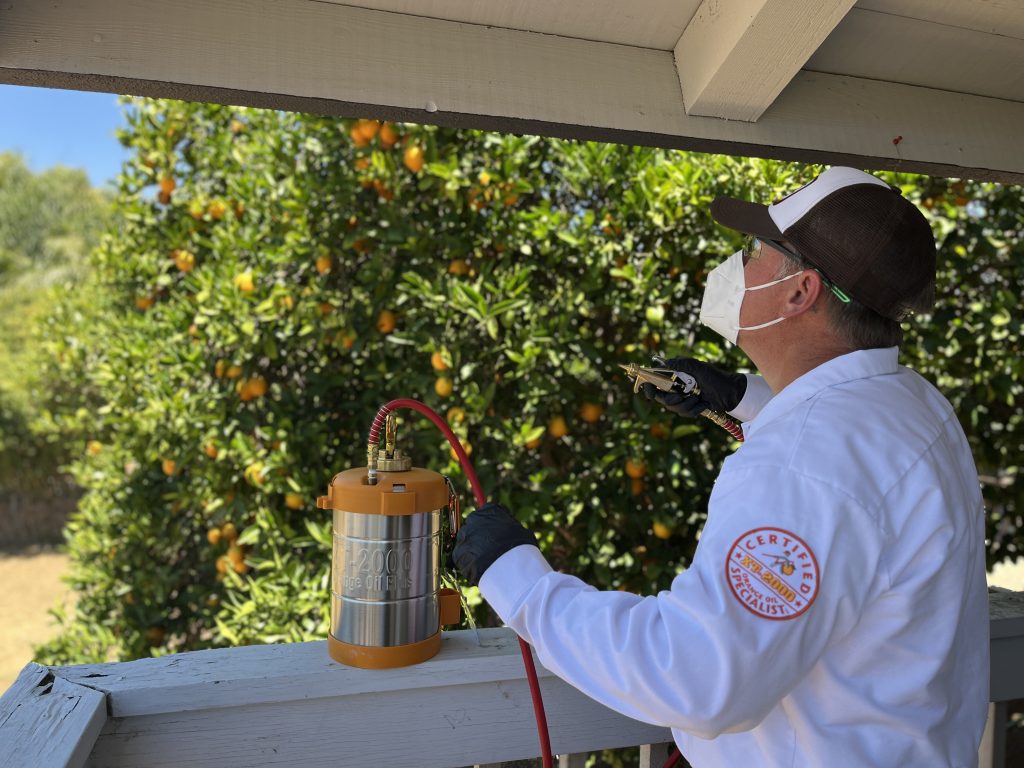
Spring brings renewed pest activity along with seasonal allergies. For many households, this overlap creates concern. Homeowners often wonder whether spring pest control treatments could aggravate respiratory sensitivities or allergic reactions.
From a professional standpoint, proper preparation and communication significantly reduce risks. Modern treatment strategies are designed to be targeted and controlled, but allergy-sensitive individuals benefit from additional planning. Understanding how spring pest control works and how to prepare ensures both comfort and effectiveness.
Why Spring Pest Control Matters for Allergy Sufferers
Seasonal pest activity increases during warmer months. Ants begin foraging, spiders become more visible, termites swarm, rodents shift nesting patterns, and other insects become active around foundations and landscaping.
For individuals with allergies, pest presence itself can worsen symptoms.
- Cockroach debris and droppings may trigger respiratory reactions
- Rodent dander can contribute to indoor air sensitivity
- Dust accumulation in neglected pest harborages increases irritants
- Termite damage may expose hidden mold or moisture issues
- Insect activity can lead to additional cleaning that stirs allergens
Avoiding treatment due to allergy concerns can unintentionally increase exposure to pest-related triggers. As explained in this discussion on health risks of ignoring, unmanaged infestations can create ongoing health concerns that exceed the temporary precautions required during service.
Spring pest control is not only about eliminating insects. It supports a cleaner, more stable indoor environment.
Communicating Allergy Concerns Before Treatment
Clear communication is one of the most important steps in preparation.
- Inform technicians about respiratory conditions or sensitivities
- Mention children, elderly occupants, or pets with health concerns
- Discuss preferred scheduling times to allow ventilation
- Ask about product placement and drying intervals
- Request preparation guidelines in advance
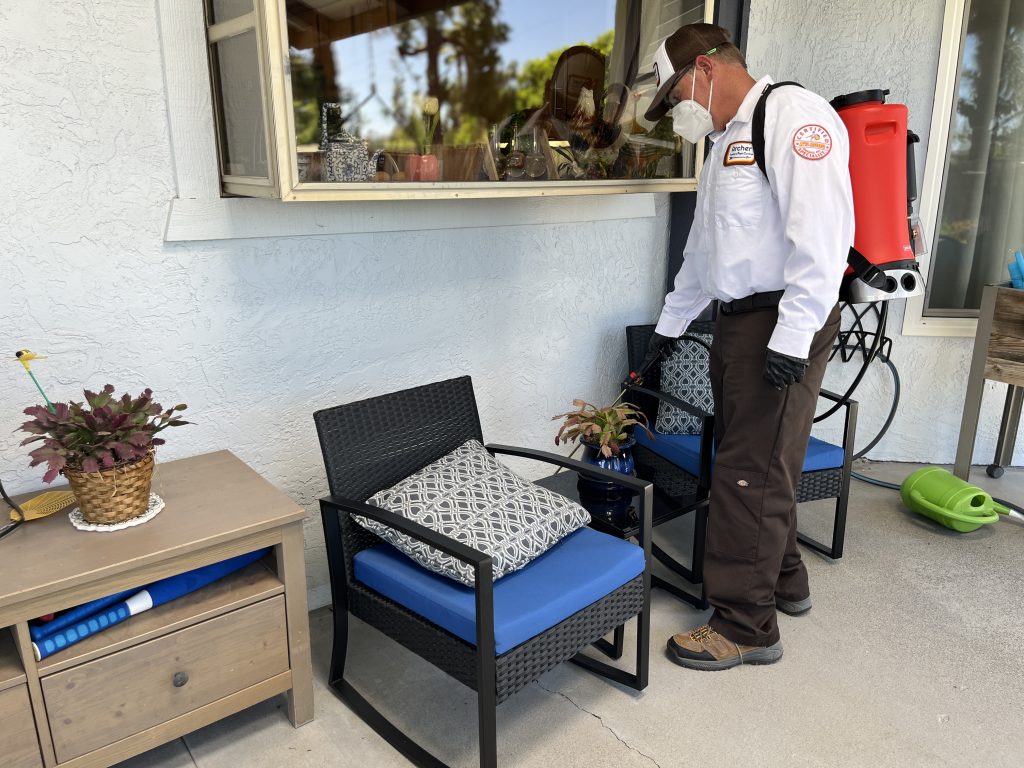
Professional providers tailor application methods based on property conditions and occupant needs. Treatments are applied strategically in cracks, voids, and exterior perimeters rather than broadcast across open living spaces.
Sharing allergy information allows technicians to adjust timing, focus areas, and ventilation recommendations accordingly.
Open communication prevents misunderstandings and supports a treatment plan that prioritizes safety and effectiveness.
Practical Steps to Prepare Your Home
Preparation for spring pest control when allergies are present involves targeted cleaning and environmental management rather than excessive disruption.
- Vacuum carpets and upholstery using HEPA filtration prior to service
- Dust baseboards and surfaces to reduce existing allergens
- Store exposed food and cover sensitive kitchen items
- Remove clutter that traps dust near treatment zones
- Secure pets and wash pet bedding
Pre-treatment cleaning reduces the amount of airborne particles that could circulate during technician activity. However, avoid using store-bought sprays or foggers in advance. As detailed in this article about store-bought pest sprays, over-the-counter products can introduce unnecessary chemicals and may interfere with professional treatment plans.
Spring pest control is most effective when professionals can evaluate natural pest behavior patterns. Introducing additional products beforehand may complicate that assessment.
Proper preparation focuses on cleanliness and access rather than chemical intervention.
What to Expect During and After Treatment
Understanding the process can ease anxiety for allergy-sensitive individuals. Modern spring pest control treatments emphasize precision.
- Applications are concentrated in structural cracks and entry points
- Exterior perimeter treatments reduce interior exposure
- Low odor formulations are commonly used
- Drying times are clearly communicated
- Follow up inspections confirm results
Occupants may be advised to remain outside treated areas for a specific period depending on the method used. Ventilating the space after reentry can further reduce residual odors.
Professional technicians are trained to apply products in a controlled manner that limits drift and overspray. When instructions are followed, exposure risk remains minimal.
After treatment, maintaining routine cleaning practices supports both allergy management and pest prevention. Avoid washing treated baseboards immediately unless directed, as this may reduce effectiveness.
Spring pest control is designed to create stability for the months ahead. With proper precautions, allergy sufferers can experience improved indoor comfort rather than increased symptoms.
Long-Term Prevention for Healthier Living Spaces
Addressing pests proactively supports long-term allergy control. Preventative service reduces recurring infestations that may introduce allergens over time.
Consistent monitoring helps:
- Identify pest activity before it escalates
- Minimize buildup of droppings or nesting materials
- Reduce moisture conditions that attract insects
- Limit structural damage that exposes irritants
When infestations are addressed early, treatment intensity may be lower than in reactive emergency situations. This balanced approach benefits allergy-sensitive households by reducing overall pest pressure.
Professional spring pest control is structured, regulated, and informed by inspection data. Attempting self-treatment without guidance may increase exposure and delay resolution.
A coordinated plan that considers health conditions, property layout, and seasonal pest behavior offers the safest and most efficient path forward.
Create a Comfortable, Protected Home This Spring
If you have allergies and want a carefully managed approach to spring pest control, professional guidance can provide reassurance and effective results. Contact Archer Termite & Pest Control to discuss your concerns and schedule a service plan designed with both health and protection in mind.