
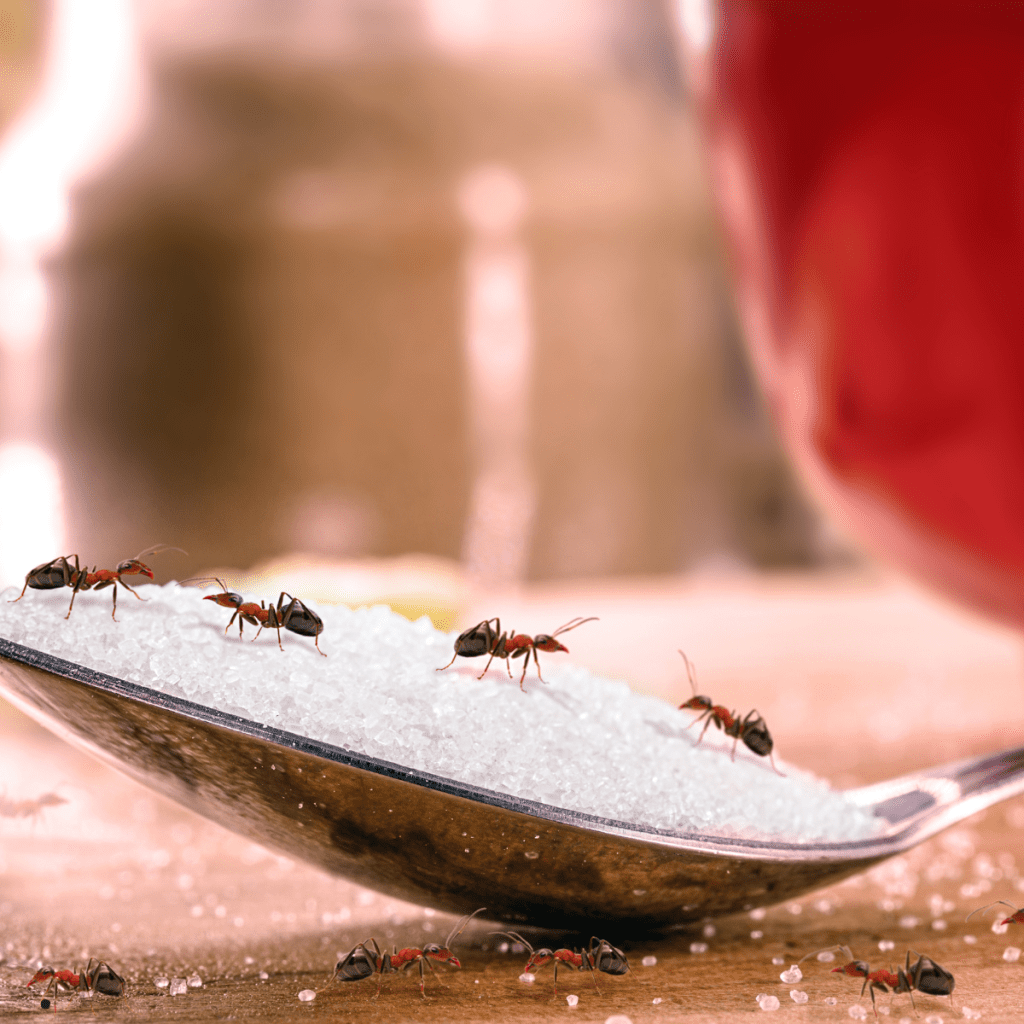
When pests appear inside a home, many people turn to store shelves for quick solutions. Sprays, powders, foggers, and traps promise fast relief and visible results. Yet in many cases, over-the-counter pest products do not resolve the underlying problem. Instead, they can unintentionally allow infestations to spread, adapt, or become more difficult to control.
From an expert perspective, pest activity is rarely limited to what is visible. Most infestations develop within walls, crawl spaces, attics, or soil, where store-bought treatments cannot reach. Understanding how these products fall short helps explain why infestations often return stronger after initial attempts at control.
Why Surface Treatments Miss the Real Problem
Most over-the-counter pest products are designed to treat exposed insects. They work on contact or create short-lived barriers in visible areas. While this may reduce activity temporarily, it rarely addresses nesting sites, breeding zones, or hidden entry points.
Key limitations of surface treatments include:
- Inability to penetrate wall voids, insulation, or structural gaps
- Limited residual effectiveness once products dry or degrade
- No impact on eggs or protected life stages
- Disruption of pests without eliminating colonies
When pests are disturbed but not eliminated, they often retreat deeper into structures. This can spread infestations across new areas of the home. Ants, cockroaches, spiders, and rodents commonly respond by changing travel routes, nesting locations, or activity times. Instead of solving the issue, these products can push pests into harder-to-reach spaces where activity continues unnoticed.
How Incorrect Product Use Can Increase Pest Resistance
Another overlooked risk involves repeated exposure to the same active ingredients. Many store-bought options rely on similar chemical classes. When pests survive these treatments, populations can become less sensitive over time.
Improper use contributes to resistance through:
- Applying incorrect dosages that fail to deliver lethal exposure
- Repeated use of the same formulations across seasons
- Treating only visible insects while breeding populations persist
As resistance develops, pests become more difficult to manage even with stronger products. This issue is especially concerning for insects that reproduce quickly. Resistance can lead to larger infestations that require more complex intervention later. Professional strategies rotate treatments and target life cycles to prevent this escalation.
Why DIY Approaches Often Delay Accurate Identification
One of the most common problems with over-the-counter pest products is misidentification. Many pests share similar appearances or symptoms, but require different treatment approaches. Applying the wrong product wastes time while infestations grow.
Misidentification often leads to:
- Treating insects that are not the source of the problem
- Ignoring environmental conditions that support activity
- Overlooking structural access points and nesting zones
For example, cockroach activity may be confused with other crawling insects, while rodent signs may be mistaken for occasional entry rather than an established presence. Without proper identification, treatments target symptoms rather than causes. Resources such as this guide on DIY control limitations explain why accurate diagnosis is essential before any effective plan can be implemented.
The Hidden Spread That Happens After Temporary Relief
Short-term success can create a false sense of resolution. When visible pests disappear, it often means activity has shifted rather than stopped. Pests adapt quickly when pressured and may expand into new areas of the structure.
Signs that infestations are spreading include:
- Activity reappearing in different rooms or levels
- Increased sightings during quiet hours or overnight
- New entry points forming near plumbing or utility lines
- Secondary issues such as odors, droppings, or damage
This hidden spread is especially common during seasonal transitions when pests seek warmth and shelter. Without comprehensive inspection, these changes go unnoticed until infestations are more extensive. Professionals rely on monitoring tools and inspection techniques that reveal activity patterns most homeowners miss. Insight into this process is outlined in this article on hidden winter pest signs, which explains how concealed infestations persist despite surface treatments.
Why Comprehensive Strategies Outperform Store Solutions
Effective pest management addresses behavior, biology, and environment together. Over-the-counter pest products focus on elimination alone, without considering why pests are present in the first place. Moisture, food sources, entry points, and shelter all influence infestation persistence.
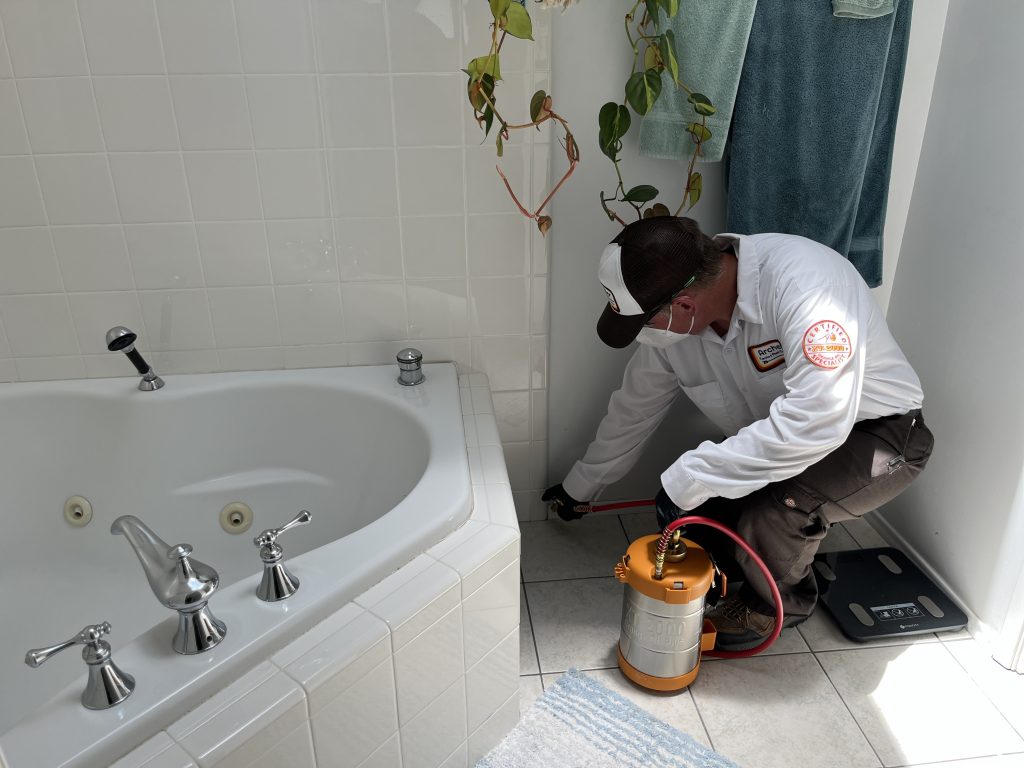
Professional approaches evaluate the full picture by:
- Identifying species and activity zones accurately
- Targeting nests, harborages, and breeding sites
- Reducing conditions that allow pests to return
- Monitoring results and adjusting methods as needed
This comprehensive strategy prevents reinfestation rather than reacting to symptoms. It also reduces unnecessary chemical exposure by applying treatments precisely where they are needed. Over time, this approach protects structures, health, and peace of mind more effectively than repeated retail purchases.
A Smarter Path Forward
When infestations persist despite repeated treatments, it is often a sign that deeper issues remain unresolved. Professional evaluation brings clarity, precision, and lasting control. To address pest problems at the source and prevent further spread, contact Archer Termite & Pest Control.