
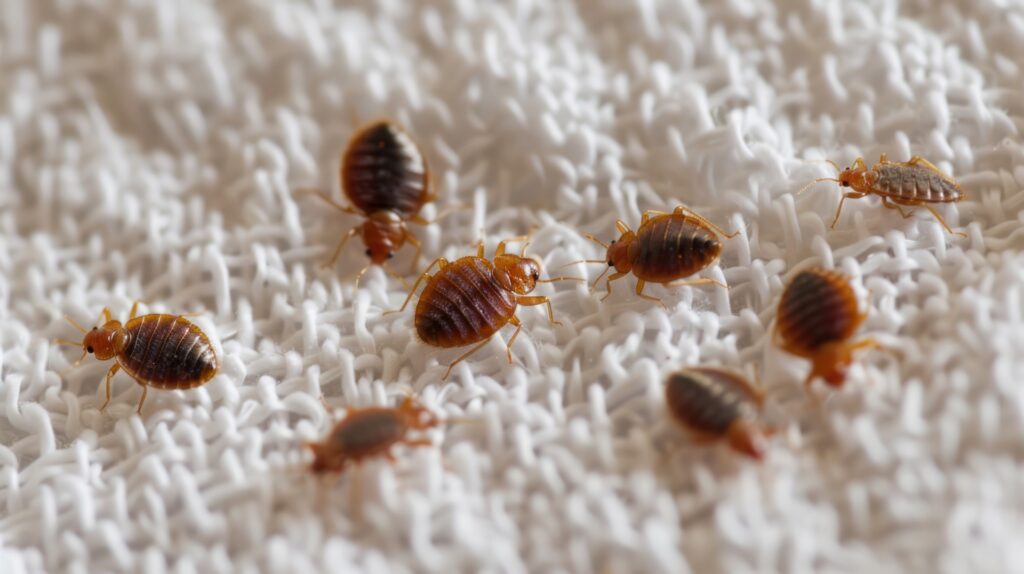
Discovering mysterious bites on your skin can be unsettling. Many people immediately assume the culprit is bed bugs, but not every itchy mark comes from these pests. Mosquitoes, fleas, spiders, and even skin reactions to household products can mimic the appearance of bed bug bites. Knowing how to identify the difference is important for peace of mind and to ensure that you address the right problem.
Because bed bugs are resilient and difficult to eliminate, recognizing their presence early makes a major difference. Understanding how to distinguish their bites from other causes helps you decide on the next steps and avoid the pitfalls of guessing or relying on ineffective home remedies.

Recognizing Signs of Bed Bug Bites
While no single symptom guarantees a bed bug bite, some patterns and clues make it more likely.
- Bite clusters: Bed bugs often leave multiple bites in a row or cluster, sometimes referred to as a “breakfast, lunch, and dinner” pattern.
- Location of bites: Commonly found on exposed skin such as arms, legs, neck, and face.
- Timing: Bites often appear overnight, as bed bugs are active at night while people sleep.
- Itch and reaction: Bites can cause itching, redness, and swelling, though reactions vary depending on skin sensitivity.
Still, these signs can overlap with mosquito or flea bites, making it easy to misinterpret. That’s why it’s important to also look for direct evidence of bed bugs in your surroundings.
Other Conditions That Mimic Bed Bug Bites
Several pests and conditions can create similar marks, and ruling them out can narrow down the cause.
- Mosquito bites: Typically isolated, raised welts that appear during warm evenings outdoors.
- Flea bites: Small red dots, often on ankles or lower legs, that itch intensely.
- Spider bites: Usually single, more swollen than bed bug bites, sometimes with two puncture marks.
- Skin allergies: Rashes from detergents, soaps, or lotions may look like insect bites but lack a clear pattern.
- Mites: Some species leave clusters of itchy marks similar to fleas or bed bugs.
Since these conditions can be mistaken for one another, relying only on bite appearance is not enough to confirm a bed bug infestation.
Physical Evidence Beyond the Bites
To truly determine if bed bugs are the cause, you need to search for direct signs in your living environment.
- Blood spots: Tiny red or brown stains on sheets or pillowcases.
- Fecal spots: Small dark dots resembling ink stains on bedding, mattresses, or furniture.
- Shed skins: Bed bugs molt several times, leaving behind papery shells.
- Live insects: Adult bed bugs are flat, oval-shaped, and about the size of an apple seed.
- Odor: Large infestations sometimes produce a musty, sweet odor.
If you notice any of these signs in addition to bites, it strongly suggests bed bugs. At this point, expert assistance is the most effective path forward.
Why Professional Identification Matters
Many homeowners try to handle mysterious bites with over-the-counter sprays or do-it-yourself treatments. Unfortunately, these approaches often fail. As explained in insights about why DIY methods fall short, home products rarely address the root of the problem. Bed bugs hide in cracks, behind headboards, under carpets, and inside furniture, making them nearly impossible to eradicate without professional-grade tools and training.
Misidentifying bites can also lead to wasted time and money. For example, treating for fleas when bed bugs are the issue delays meaningful progress and allows the infestation to grow. On the other hand, ignoring the problem can create even bigger costs down the road. The hidden costs of ignoring pests show why quick, accurate identification and treatment are always the smarter choice.
What To Do If You Suspect Bed Bugs
If you believe your bites may be from bed bugs, the next steps should focus on confirming and addressing the issue effectively.
- Inspect your bedroom: Check seams of mattresses, box springs, bed frames, and upholstered furniture.
- Document what you find: Take photos of bites and any physical evidence to share with a professional.
- Avoid spreading pests: Do not move bedding, furniture, or clothing between rooms, as this can spread bed bugs.
- Call a professional: Early intervention prevents infestations from worsening and reduces treatment complexity.
- Follow expert guidance: Professionals may recommend specific preparation steps to ensure treatments are effective.
Trying to tackle bed bugs alone rarely succeeds, but prompt expert involvement can quickly restore peace of mind and protect your home.
Ready To Solve The Mystery?
If you are unsure whether your bites are from bed bugs or something else, the safest step is to seek professional help. An expert inspection can provide certainty, save you from trial-and-error guesses, and deliver real solutions. For reliable answers and effective treatments, contact Archer Termite & Pest Control today and reclaim your comfort.