
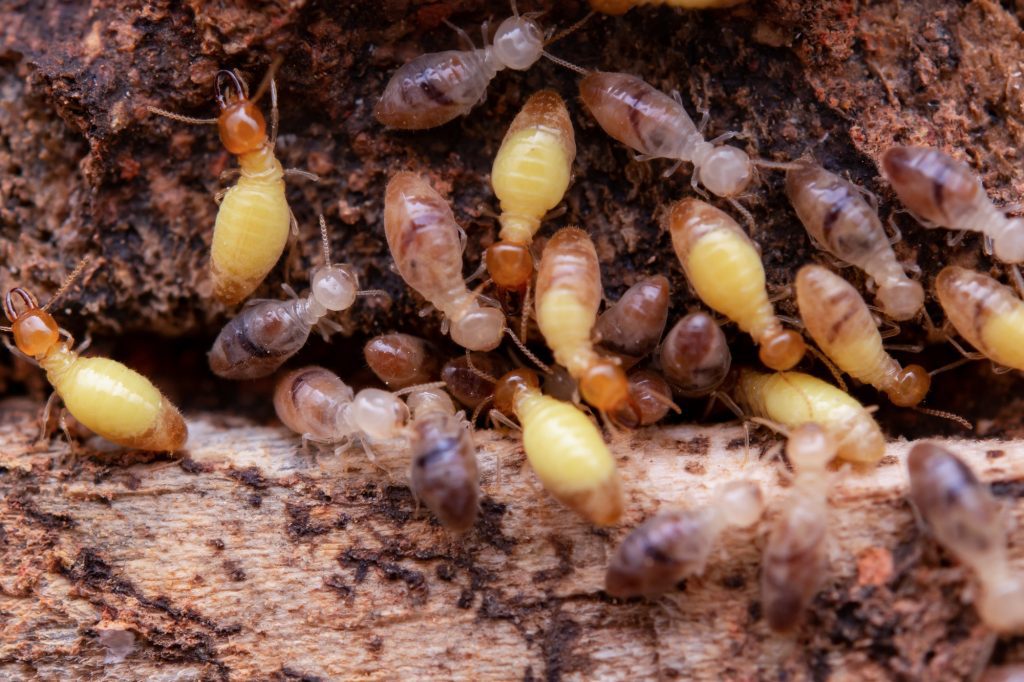
Termites do not simply become active on one date and disappear when the season changes. Their behavior responds to temperature, soil moisture, rainfall, humidity, irrigation, and the conditions inside a structure.
Professional termite control starts with understanding those patterns. Drywood and subterranean termites behave differently, so inspection should consider the species involved, the property layout, and the environmental conditions supporting activity. Seasonal changes can make certain warning signs easier to notice, but hidden feeding may continue even when visible activity slows.
Warm Weather Can Increase Visible Termite Activity
Warmer conditions often bring more noticeable termite movement, especially when temperatures and moisture support swarming or increased foraging. Homeowners may see winged termites, discarded wings, mud tubes, or fresh wood damage during periods when colonies are more active near visible parts of the property.
Signs worth watching include:
- Winged termites near windows, doors, or exterior lights
- Discarded wings along sills or floor edges
- Mud tubes forming on foundations or structural surfaces
- Small pellets associated with drywood termite activity
- Wood that sounds hollow or appears blistered
- Changes around areas with previous termite damage
Visible signs should be treated as clues, not a complete diagnosis. A professional inspection helps determine whether activity is current, localized, or connected to a larger hidden infestation.
Rain And Moisture Can Change Subterranean Termite Movement
Subterranean termites depend on soil moisture, so rainfall, irrigation, drainage, and plumbing leaks can influence where they travel. Moist soil near foundations may create favorable conditions for colonies to approach structural wood through protected underground routes.
This is one reason seasonal weather shifts deserve attention even when no swarmers are visible. A wet period can increase soil moisture around foundation edges, while irrigation may keep areas damp long after rain has stopped.
Professional inspection looks at moisture conditions together with termite evidence. Technicians may check foundation lines, crawl spaces, plumbing areas, wood-to-soil contact, and previously active locations before recommending treatment.
For households with children or animals, a more precise approach also matters. Guidance on family-conscious treatment explains why inspection, accurate product selection, targeted placement, and clear preparation instructions help reduce unnecessary treatment around living areas.
Dry Conditions Can Push Activity Into Protected Areas
Hot, dry weather does not necessarily eliminate termite risk. Instead, it can change where termites remain active and which areas of a property provide the moisture or protection they need.
Inspectors may pay closer attention to:
- Irrigated soil beside foundations and patios
- Damp areas near hose bibs or plumbing lines
- Shaded crawl spaces and subfloor areas
- Structural wood protected from direct sun
- Landscape features with wood-to-soil contact
- Previously treated areas showing renewed evidence
Drywood termites are less dependent on soil moisture than subterranean termites, so their colonies can remain concealed inside structural wood through dry periods. This difference is one reason termite identification should come before treatment selection.
Cooler Seasons Can Hide Activity Without Ending It
When temperatures drop, homeowners may notice fewer swarmers or less obvious exterior movement. That can create the impression that termite activity has ended, even though colonies may remain protected inside wood or below the soil surface.
Cooler weather can be useful for inspection because technicians can focus on structural evidence rather than waiting for visible swarming. Damaged wood, pellets, mud tubes, moisture patterns, and previous treatment areas can still reveal information.
This is also where broad surface treatment falls short. Information about spray limitations shows why visible pest activity does not always reveal concealed colonies or the source of the problem. Termite control requires species-specific methods that reach the areas where termites are feeding or traveling.
Seasonal quiet should therefore be viewed as a change in visibility, not proof that the threat has disappeared.
Year-Round Monitoring Makes Termite Control More Reliable
The strongest termite strategy follows the property through changing conditions instead of relying on a single season. Weather, irrigation, repairs, landscaping, and building wear can all change termite risk over time.
An ongoing plan may include:
- Inspecting the property during periods of visible termite activity
- Rechecking moisture-prone areas after rain or irrigation changes
- Monitoring previously treated wood and foundation zones
- Correcting wood-to-soil contact when practical
- Choosing treatment according to termite species and location
- Scheduling follow-up when new evidence appears
Professional termite control adds value because seasonal findings can be compared with earlier inspections. A new mud tube, fresh pellets, or recurring damage in the same area may indicate that conditions have changed or that another source needs attention.
The goal is not to wait for the “right” season before taking action. It is to recognize that termite behavior shifts with weather while hidden colonies can remain active year-round. Timely inspection, targeted treatment, and follow-up help protect structural wood before seasonal changes turn subtle warning signs into more extensive damage.
Stay Ahead Of Seasonal Termite Activity
If termite signs appear during changing weather or you want a clearer picture of your property’s risk, contact Archer Termite & Pest Control for professional inspection, targeted termite control, and follow-up tailored to your home.