
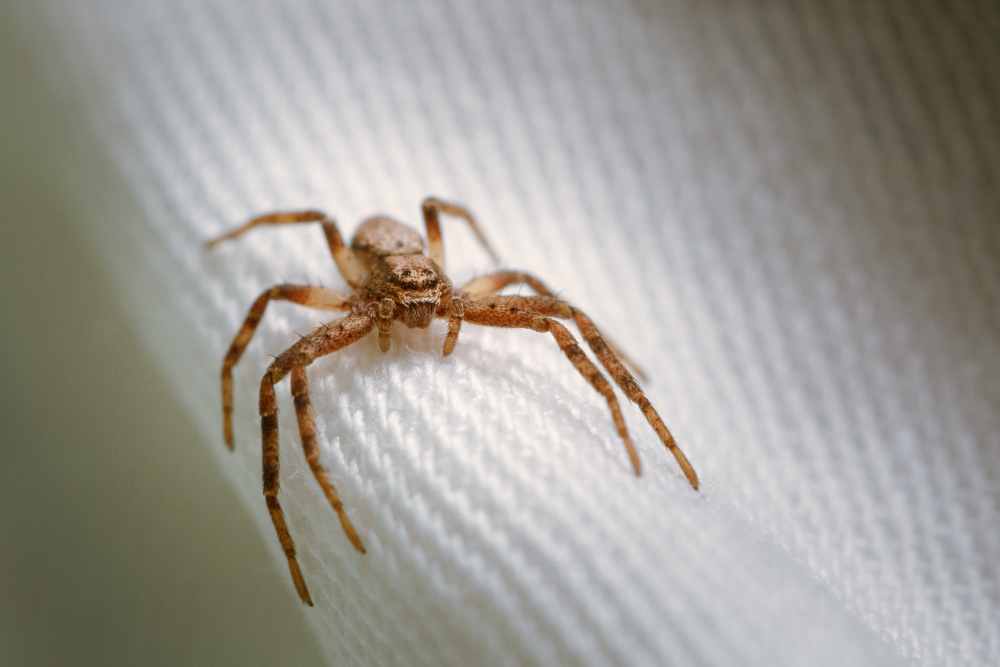
Southern California weather can make spider activity feel unpredictable. Warm afternoons, cool nights, dry spells, coastal moisture, and seasonal rain all affect where spiders hide, hunt, and move. A spider infestation is rarely caused by weather alone, but changing conditions can make a home more attractive by increasing prey insects, opening shelter opportunities, or pushing spiders indoors.
Spiders are often a sign that the surrounding environment is supporting other pests. Ants, roaches, fleas, rodents, termites, bed bugs, and other household pests can all influence pest pressure around a property. When spider activity keeps returning, the best response is to look at the home, yard, and seasonal conditions together. Professional inspection helps identify whether spiders are simply passing through or whether the property has harborage, food sources, or access points that need attention before web buildup becomes routine indoors.
Warm Weather Increases Insect Activity
Heat often increases insect movement around homes. As ants, roaches, flies, fleas, and other household pests become more active, spiders may follow because they hunt insects for food. This is why webs and sightings may increase near patios, garages, lights, trash areas, and vegetation during warmer months.
- Exterior lights can attract insects, which may draw spiders closer.
- Warm garages and storage areas can shelter both spiders and prey pests.
- Patios, sheds, and fence lines may collect insect activity after sunset.
- Cluttered corners can provide web-building and hiding spaces.
When more spiders appear, the issue may not be spiders alone. Reducing the insects that attract them is often part of a more complete plan.
Moisture And Rain Shift Hiding Places
Southern California is known for dry weather, but moisture still plays a major role in pest activity. Seasonal rain, irrigation, coastal humidity, plumbing leaks, and damp landscaping can support insects that spiders feed on. After wet periods, spider activity may increase near foundations, crawl spaces, plant beds, drains, and garages.
This is why customized service matters. A home near irrigated landscaping may need a different plan from one with dry storage areas or repeated indoor sightings. Information on custom pest plans is helpful because spider problems often depend on property-specific conditions, not a one-size-fits-all treatment.
Moisture should be viewed as a clue. If spiders keep appearing near bathrooms, laundry rooms, or exterior walls, the source may involve insects, humidity, or access points nearby.
Dry Spells Can Push Spiders Indoors
Hot, dry stretches can also increase indoor movement. When outdoor shelter becomes less comfortable, spiders may move toward cooler spaces, shaded doorways, garages, closets, and wall gaps. They may enter while following insects or seeking protection from outdoor exposure.
- Door gaps, worn weatherstripping, and torn screens can allow entry.
- Garage seals and utility openings may become hidden access points.
- Boxes, shoes, and stored materials can create quiet hiding areas.
- Wall edges, baseboards, and ceiling corners often become travel routes.
A professional inspection can identify which entry points matter most. Sealing random gaps without understanding the activity pattern may miss the areas spiders are actually using.
Treatment Timing Affects Results
Weather also affects treatment timing. A service plan should account for heat, moisture, indoor access, pest pressure, and product placement. Some treatments may focus on exterior areas where spiders and prey pests move. Others may involve interior cracks, crevices, or targeted areas after inspection.
Homeowners should also understand safe reentry and preparation. Guidance on safe treatment timing explains that the time needed depends on the treatment type, placement, and drying period. Professional instructions matter because safety and effectiveness are connected.
For spider concerns, treatment should not be limited to knocking down webs. Web removal may improve appearance, but long-term results require attention to insects, shelter, entry points, and follow-up.
Long-Term Control Depends On Conditions
Weather patterns change throughout the year, so spider activity can shift from outdoors to indoors and back again. A long-term plan should reduce the conditions that help spiders remain close to the home. That includes pest prey, moisture, clutter, entry points, and seasonal monitoring.
- Inspect garages, storage rooms, patios, sheds, and exterior walls regularly.
- Reduce clutter where spiders and prey insects can hide.
- Monitor moisture near irrigation, drains, plumbing, and shaded landscaping.
- Schedule professional service when webs or sightings return repeatedly.
Professional service can address spiders along with termites, rodents, ants, roaches, fleas, bed bugs, and other household pests. A careful approach can identify what is driving the activity, apply targeted treatment, document findings clearly, and adjust recommendations as weather and pest pressure change. In Southern California, that kind of inspection-based plan is often the difference between temporary relief and more reliable control.
Bring Spider Pressure Back Under Control
Weather can make spider activity shift quickly, but repeated sightings usually have a source. For careful inspection, targeted treatment, and prevention guidance that addresses spiders, prey insects, and entry points around your home, contact Archer Termite & Pest Control for professional support tailored to local conditions.