
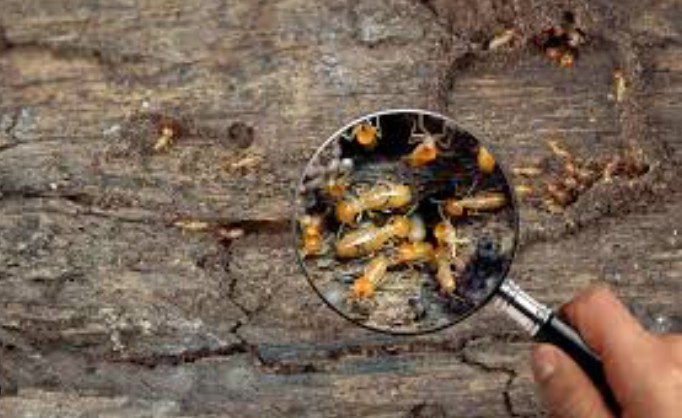
Termites are quiet pests, which is exactly why they cause so much concern. By the time damaged wood, blistered paint, hollow trim, or discarded wings appear, activity may already be moving through concealed framing, subfloor areas, attic wood, or foundation-adjacent zones. Homeowners often reach for store-bought termite treatments because the problem looks isolated, but termites rarely behave in a simple, visible pattern.
The hidden danger of DIY treatment is not only product failure. It is the false confidence that comes from treating what can be seen while the colony, moisture source, or structural damage continues out of view. Professional inspection matters because termite control begins with identification, evidence, and a treatment plan matched to the structure.
DIY Products Often Miss The Real Termite Source
Termites do not usually announce the full extent of activity. Drywood termites may remain inside wood for long periods. Subterranean termites may travel from soil into the home through hidden access points. A surface treatment may touch one area without reaching the active galleries, entry routes, or conditions supporting the infestation.
- Visible damage may represent only one part of a larger hidden pattern.
- Store-bought products may not reach termites inside framing, attic wood, or wall voids.
- Misidentification can lead to the wrong treatment method for the termite species involved.
- Moisture problems and wood-contact areas may remain uncorrected after surface treatment.
- Delayed professional inspection can allow structural damage to continue quietly.
This is why termite problems need more than a quick reaction. A trained inspection can separate old damage from active infestation, identify the likely termite type, and determine whether localized treatment, whole-home service, fumigation, heat treatment, or repair planning should be considered.
Hidden Damage Can Continue After Surface Treatment
One of the most serious risks of DIY termite treatments is that the home may look improved while damage continues. A homeowner might see fewer wings, tubes, or visible signs and assume the issue is resolved. Termites can remain active in places that are not easy to check without experience, tools, and access.
- Wood can sound solid in one area while nearby framing is weakened.
- Attics, subfloor areas, and wall interiors may hold damage that is not immediately visible.
- Dry rot and moisture damage can worsen when the underlying condition is not addressed.
- Termites may shift activity after disturbance instead of being fully eliminated.
- Repairs may be delayed because the damage is underestimated.
Professional termite work considers both elimination and the condition of the property. Some homes may need localized spot treatments, full-structure subterranean treatments, whole-house fumigation, borate foam, orange-oil options, TIMBOR attic or subframing treatment, or thermal heat methods depending on the situation. For homeowners comparing termite options, the safest decision begins with understanding the infestation, not guessing from the outside.
Preparation And Safety Are Easy To Underestimate
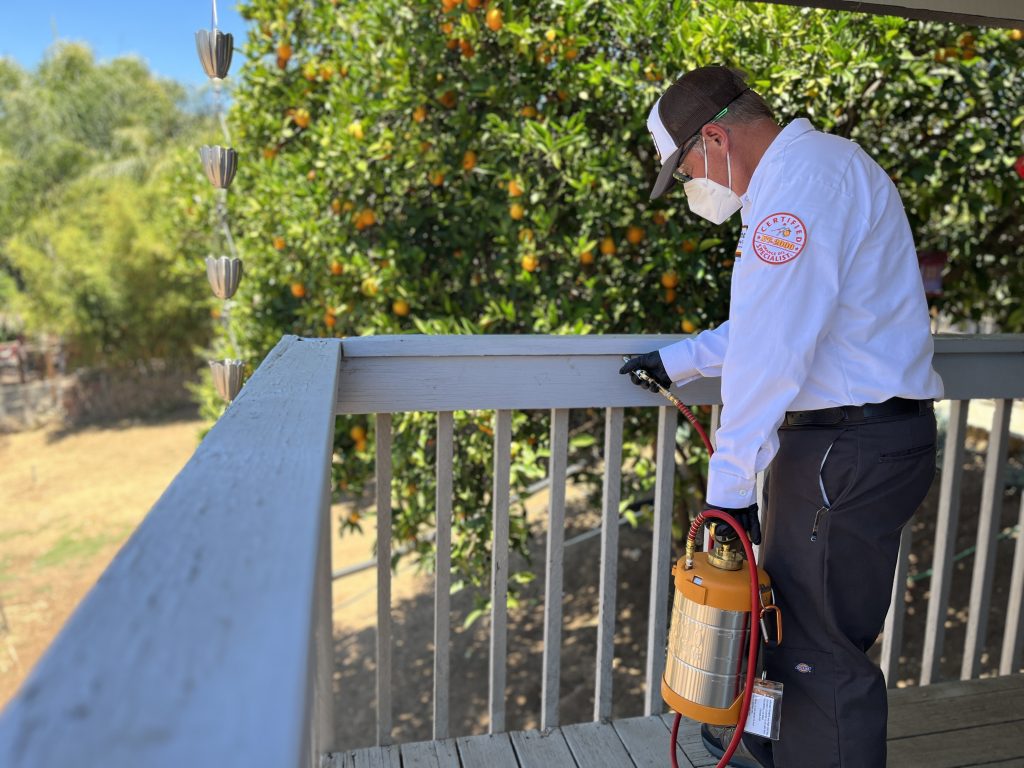
Termite work is not just about applying a product. Preparation affects whether the treatment reaches the right places and whether the home is handled safely. DIY efforts can create problems when products are overused, applied in the wrong location, mixed incorrectly, or placed where people, pets, or surfaces may be affected unnecessarily.
- Treatment areas need proper access so active zones are not blocked.
- Household members and pets may need specific guidance before service begins.
- Food, storage items, and personal belongings may need protection depending on the treatment type.
- Cleaning too soon or disturbing treated areas can weaken results.
- Follow-up monitoring is important because termite activity may not stop instantly.
Professional preparation also supports better communication. Homeowners should know what will be treated, which areas need access, how long the process may take, and what to expect afterward. Guidance on home preparation shows why readiness, safety, and follow-up are part of effective pest service, not minor details.
Long-Term Protection Requires A Complete Plan
Termite control should not be treated as a one-time guess. A stronger plan begins with inspection, then moves into targeted treatment, repair awareness, and prevention. That approach matters because termites affect the structure differently from ants, roaches, fleas, rodents, spiders, or bed bugs. They feed on wood and can compromise parts of the home before the damage becomes obvious.
A professional plan also considers the property’s long-term risk. Soil contact, damaged wood, attic conditions, crawl-space access, exterior moisture, previous infestation history, and surrounding conditions can all influence what type of treatment makes sense. When repairs are needed, treating termites without addressing weakened wood can leave the home vulnerable.
The real danger of DIY treatment is not the effort. It is incomplete information. Without inspection and a property-specific plan, homeowners may spend time and money on visible symptoms while the hidden problem remains active.
Protect The Structure Before The Damage Spreads
Termites require careful inspection, accurate identification, and treatment planning that fits the home. For termite treatments, termite repair, heat treatment, bed bug service, household pest control, rodent service, and escrow inspections, contact Archer Termite & Pest Control for professional support.