
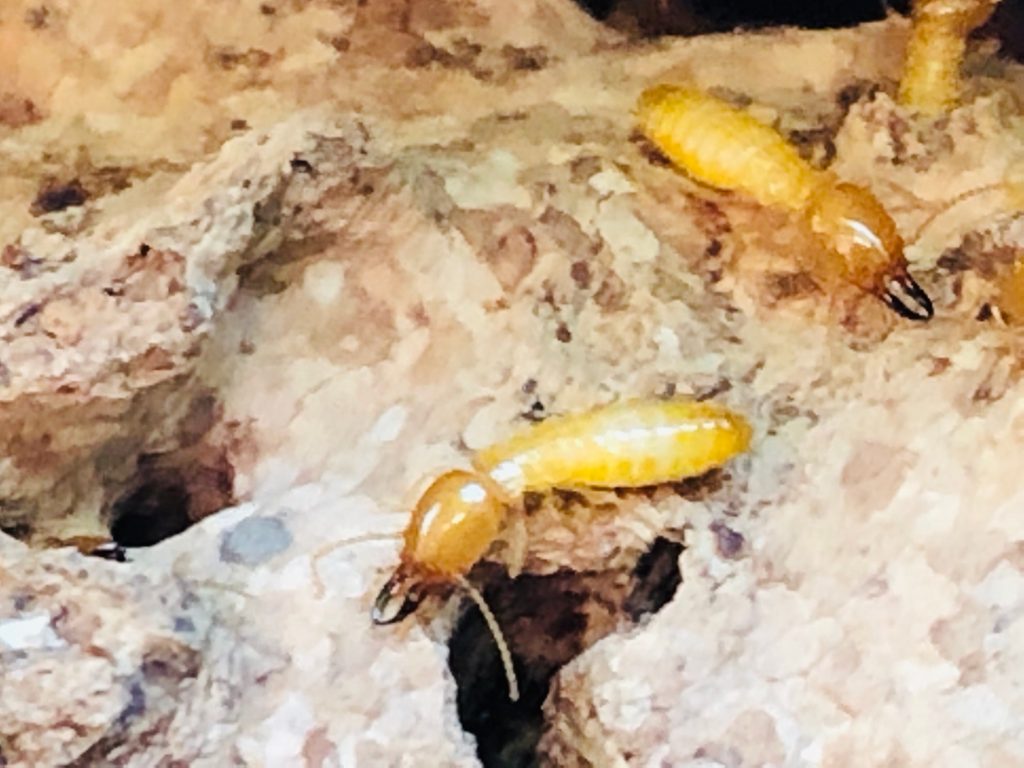
Termites can damage a home for months before obvious signs appear. They often work inside framing, attics, wall voids, flooring, trim, and concealed wood. Because activity is hidden, the best termite treatment is not chosen by guesswork. It should be based on the termite species, infestation size, activity location, and the structure’s condition.
Long-term protection begins with a careful inspection and a plan that fits the property. Some homes need localized service for a limited drywood termite issue. Others need heat treatment, fumigation, soil-focused treatment, repairs, or monitoring. Strong results usually come from combining the right method with prevention steps that reduce future termite pressure.
Inspection-first termite treatment
A detailed inspection gives professionals the information needed to choose the right termite treatment. Termites may leave mud tubes, discarded wings, hollow-sounding wood, blistered paint, frass, damaged trim, or soft flooring. However, visible signs do not always show the full extent of activity.
An inspection-first approach helps separate old damage from active infestation evidence. It also shows whether termites are limited to one area or spread through several parts of the home. That distinction matters because a small issue should not be treated like widespread activity. Homeowners often benefit from customized plans because every structure has different risks, access points, and treatment needs.
- Identify the termite species before choosing a service method
- Check attics, crawl spaces, trim, baseboards, and exposed framing
- Look for moisture problems, wood-to-soil contact, and damaged wood
- Compare old damage with active termite evidence
- Build a plan around the home’s actual condition
A proper inspection creates a clearer map of the problem, guides treatment placement, helps avoid missed areas, and supports stronger long-term protection.
Localized treatment for contained activity
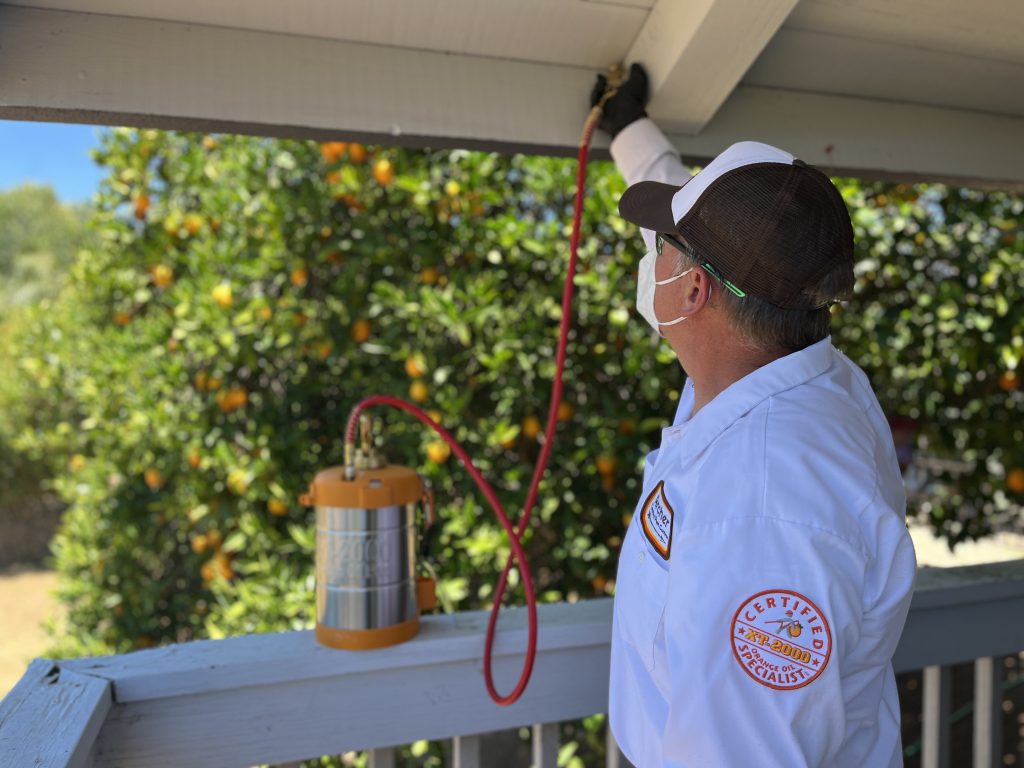
Localized treatment may be recommended when termite activity is limited to a specific area. This can apply to certain drywood termite infestations, accessible wood members, attic framing, or smaller areas where evidence is confirmed. Treatment may involve direct applications into galleries, foam, borate-based products, orange-oil-based solutions, or other targeted methods.
The main advantage of localized service is precision. Instead of treating the entire structure, the work focuses on affected wood and nearby risk areas. This can be effective when termites are found early, and the infestation has not spread widely. However, localized treatment depends on accurate inspection. If termites are active beyond the visible section, a spot-focused method may not provide complete protection.
- Treat confirmed areas where activity is present
- Apply products to galleries, voids, or accessible wood when appropriate
- Review nearby materials that may also be at risk
- Address conditions that support termite movement
- Monitor treated areas for follow-up confirmation
Localized treatment is not a one-time shortcut. It works best when the infestation is clearly understood, and surrounding conditions are corrected.
Heat treatment and fumigation for broader protection
Heat treatment uses controlled temperatures to reach termites inside wood and concealed spaces. When properly applied, heat can affect hidden activity without leaving chemical residue behind. This option may be useful for drywood termite activity in areas where temperature can be controlled safely.
Fumigation may be recommended when drywood termite activity is widespread, difficult to access, or present in multiple areas. It reaches throughout the structure, making it one of the most complete options when localized service is not enough. Fumigation requires planning, temporary vacancy, and strict safety steps.
Preparation plays an important role in treatment success. Before major service, homeowners should understand access needs, safety instructions, and what must be moved, covered, or removed. Reviewing treatment preparation can help make the process smoother.
- Use Heat when the structure and infestation pattern make it suitable
- Consider Fumigation for widespread or hard-to-reach activity
- Prepare Rooms, belongings, food items, pets, and access areas as directed
- Follow Safety instructions before, during, and after service
- Schedule Follow-up evaluation when recommended
Both heat treatment and fumigation require technical judgment. The right choice depends on infestation depth, termite species, accessibility, and the home’s layout.
Repairs, prevention, and long-term protection planning
Termite treatment should not stop with the active colony. Long-term protection also includes repairing damaged wood, reducing termite-friendly conditions, and monitoring the property over time. If beams, fascia, trim, sills, subflooring, or framing have been weakened, repairs may be needed.
Prevention is equally important. Moisture control, ventilation, reduced wood-to-soil contact, sealed gaps, and maintained exterior wood all help reduce future risk. Termites are persistent, and homes with the same favorable conditions can remain vulnerable after treatment.
The best termite treatment option is the one that matches the home. A contained drywood termite issue may call for localized service. A severe problem may require heat treatment or fumigation. Subterranean activity may need soil-focused control and monitoring. Damage may require repair as part of the plan.
Start With Stronger Termite Protection
For detailed inspection, effective termite treatment, and long-term protection planning, contact Archer Termite & Pest Control today.