
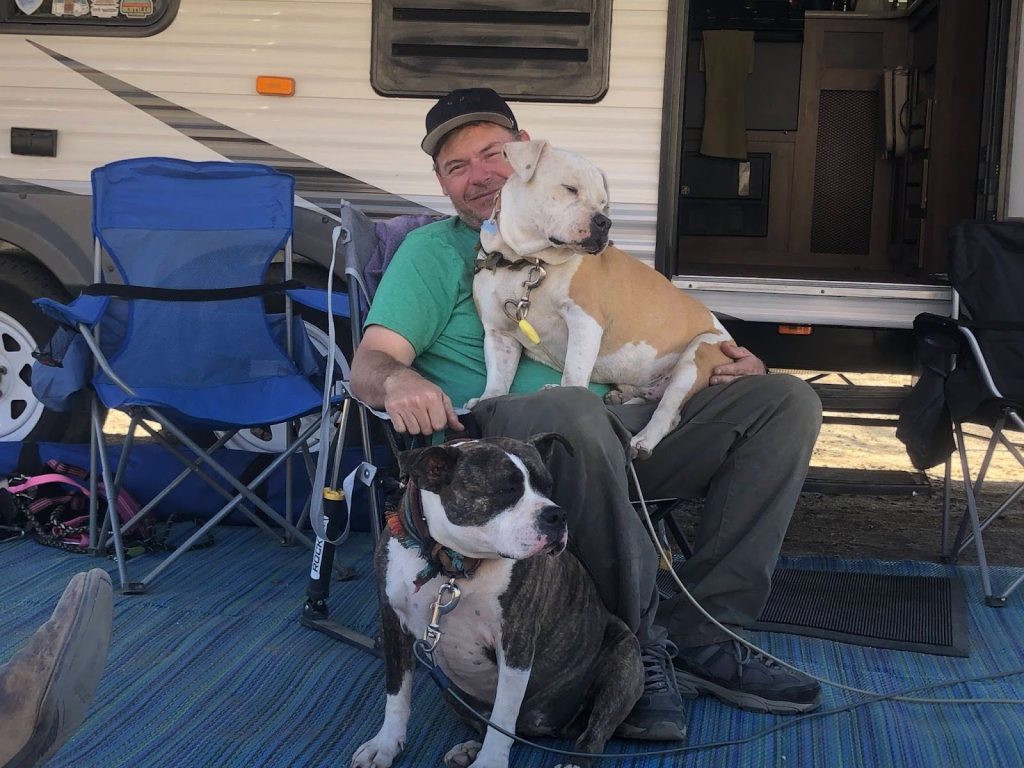
Preparing a home for pest control becomes more nuanced when pets are part of the environment. The goal is not only to address pest activity but also to maintain a safe and stable space for animals that rely on routine and familiarity.
Pets interact with floors, furniture, and hidden spaces differently from humans. They explore, lick surfaces, and settle into corners where treatments may be applied. This is why pest control preparation in pet-friendly homes requires careful coordination, timing, and awareness of how treatments are introduced.
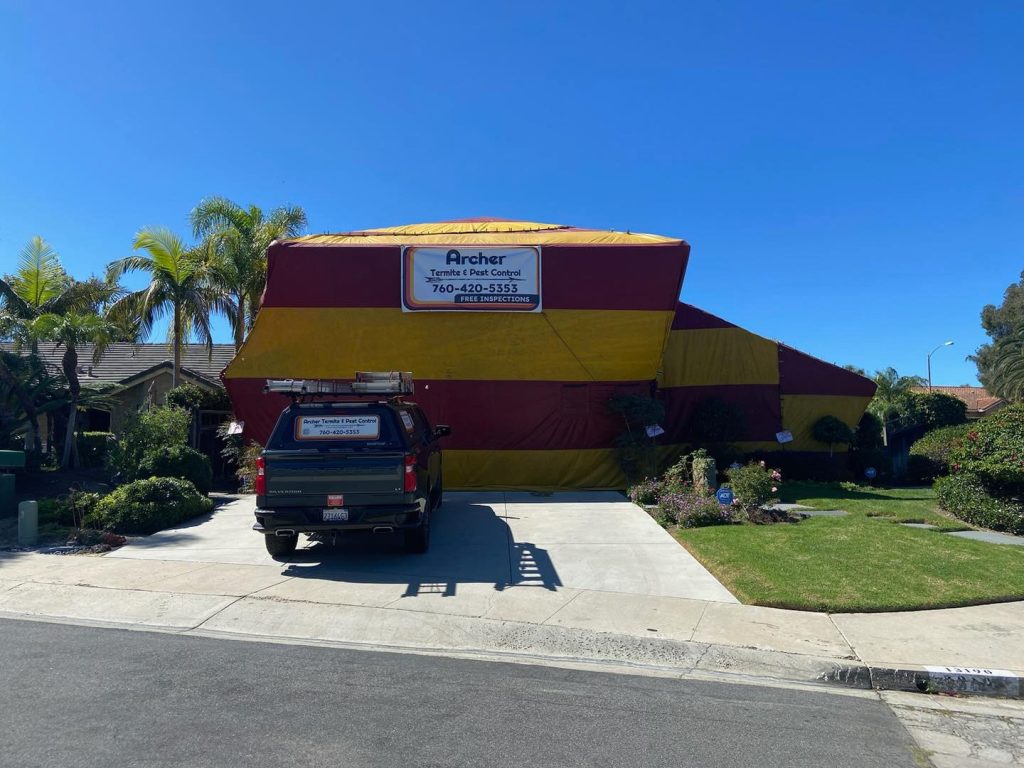
Why Pet-Specific Preparation Matters Before Treatment
Pest control treatments are designed to target insects and rodents, but pets can unintentionally come into contact with treated areas if preparation is overlooked. This makes planning a critical part of the process.
Professionals approach pest control preparation with the understanding that animals are part of the household ecosystem.
- Surface exposure awareness. Pets frequently rest or walk across floors and baseboards where treatments may be applied.
- Behavioral unpredictability. Unlike humans, pets may sniff, lick, or roll in areas that appear harmless.
- Sensitivity differences. Some animals are more sensitive to environmental changes, including new scents or substances.
- Routine disruption. Sudden changes in environment or access can cause stress, making preparation just as important as the treatment itself.
When preparation is done correctly, it creates a controlled environment where treatments can work effectively without unnecessary risk.
Creating Safe Zones For Pets During Pest Control
One of the most practical steps in pest control preparation is establishing designated safe areas where pets can remain during treatment and drying periods. This ensures minimal exposure while allowing technicians to perform their work thoroughly.
Safe zones are not simply about removing pets from treated areas. They are about creating temporary environments that feel familiar and secure.
- Separate enclosed spaces. Use rooms that will not be treated immediately or arrange for pets to stay off-site if needed.
- Comfortable setup. Include bedding, toys, and water to reduce anxiety during the process.
- Clear boundaries. Keep pets away from treated zones until professionals confirm it is safe to return.
- Ventilation consideration. Ensure fresh air circulation in designated pet areas to maintain comfort.
Understanding how to structure these spaces can make the entire process smoother. For additional context on preparation factors that may affect sensitive environments, this guide on allergy-safe pest prep offers helpful insights.
Handling Pet Items And High-Contact Areas
Beyond relocating pets, attention must also be given to the objects they interact with daily. Food bowls, bedding, and toys can easily become points of contact if not properly managed.
This part of pest control preparation is often underestimated, yet it plays a major role in maintaining a clean and controlled treatment environment.
- Remove or cover food and water bowls. Keep feeding areas protected from potential exposure.
- Wash pet bedding. Clean fabrics reduce the chance of contamination and improve overall hygiene.
- Store toys and chew items. Keep them in sealed containers or separate rooms during treatment.
- Clean frequently used surfaces. Areas where pets rest or play should be addressed before treatment begins.
Small oversights in these areas can affect both safety and treatment effectiveness. Addressing them ahead of time supports a more reliable outcome.
Avoiding Common Preparation Mistakes In Pet-Friendly Homes
Even with the best intentions, certain mistakes can limit the effectiveness of pest control or create unnecessary risks for pets. Recognizing these missteps is an important part of proper preparation.
- Allowing early re-entry. Bringing pets back into treated areas before it is safe can lead to unintended exposure.
- Incomplete cleaning. Leaving food crumbs or pet waste can attract pests and reduce treatment effectiveness.
- Ignoring hidden spaces. Pet activity often extends to under furniture or along baseboards, which must be considered during preparation.
- Miscommunication with professionals. Failing to mention pets may result in less tailored treatment planning.
Many of these issues are discussed further in this resource on mistakes to avoid when preparing for pest control, which highlights how preparation gaps can impact results.
Avoiding these pitfalls helps ensure that pest control preparation aligns with both safety and performance goals.
What To Expect After Treatment When You Have Pets
Preparation does not end once the treatment is complete. Post-treatment awareness is equally important, especially in homes where pets resume normal activity shortly after service.
Professionals typically provide guidance on when it is safe for pets to return and how to maintain a stable environment afterward. Following these instructions carefully helps preserve both safety and treatment effectiveness.
In the hours and days after treatment, monitoring pet behavior can also provide reassurance. If pets are reintroduced gradually and treated areas have fully settled, normal routines can resume without issue.
Long-term success often depends on consistency. Preventative pest control preparation, combined with routine service, helps reduce recurring infestations and supports a healthier environment for both people and pets.
A Thoughtful Approach To Safer Pest Control
Preparing a home with pets requires more than simple adjustments. It involves understanding how treatments interact with everyday living spaces and how pets engage with those spaces differently.For a more guided and reliable approach to pest control preparation, reach out to Archer Termite & Pest Control to ensure your home and pets are both protected.