
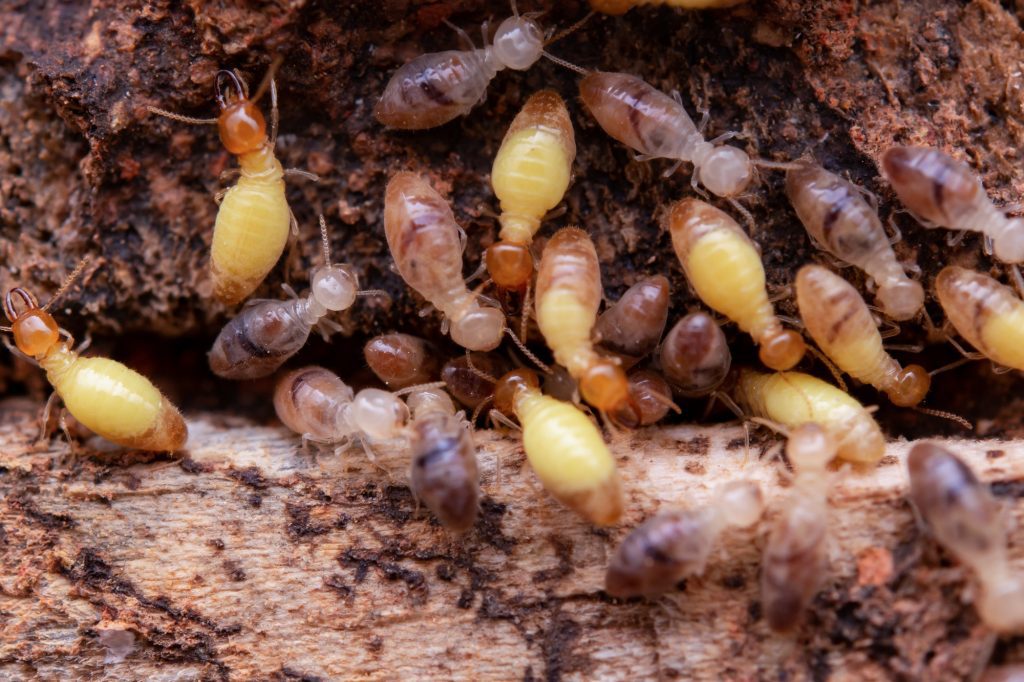
San Diego County’s picturesque coastal setting comes with more than ocean breezes and mild weather. The same climate that attracts homeowners also creates a perfect breeding ground for termites. Salt air, steady humidity, and moderate temperatures allow colonies to thrive throughout the year, quietly causing damage to homes and businesses across the region. Understanding how coastal conditions intensify termite activity is essential for timely prevention and effective termite control.

How San Diego’s Climate Fuels Termite Activity
The combination of moisture, warmth, and wood-rich construction in many San Diego neighborhoods forms an ideal environment for termites. These conditions allow both subterranean and drywood termites to remain active far beyond typical seasonal patterns.
Here’s how the coastal climate contributes to faster infestation and structural decay:
- Moisture retention: The air along the coast carries higher humidity levels, keeping wooden structures slightly damp. Subterranean termites are drawn to this moisture, as they rely on it to survive.
- Mild temperatures: With fewer temperature drops, colonies remain active year-round instead of becoming dormant. This continuous feeding cycle speeds up damage.
- Salt exposure: Salt particles in the air can break down exterior paint and sealants, creating small cracks where termites can enter.
- Dense vegetation: Palm trees, coastal shrubs, and mulch beds near foundations provide cellulose-rich pathways for termite migration.
Over time, these environmental factors combine to weaken barriers that normally protect homes. Without consistent termite control, colonies can expand quickly and cause unseen internal damage long before signs appear.
Common Termite Species in Coastal Areas
San Diego County is home to several termite species, each adapted to coastal conditions in unique ways. Recognizing their differences helps homeowners understand the risks they face.
- Subterranean termites: The most destructive type in California. They build underground colonies and access homes through soil tunnels. They are especially drawn to moisture and can enter through even the smallest foundation cracks.
- Drywood termites: These termites infest dry wood found in attics, walls, and furniture. Unlike subterranean termites, they do not require soil contact, making them harder to detect until extensive damage has occurred.
- Dampwood termites: Though less common, they thrive in decaying or water-damaged wood. They are often found in coastal regions where humidity levels are consistently high.
Because each species requires a different management strategy, professional inspection is essential to identify the right approach. Detecting early warning signs can prevent extensive repairs. Homeowners can learn to spot hidden termite signs, which help distinguish between harmless surface wear and serious infestation.
Why Coastal Termite Damage Progresses Faster
Termites in San Diego’s coastal regions tend to cause damage at an accelerated rate compared to inland areas. This happens for several interconnected reasons:
- Continuous activity: The absence of cold winters means colonies never stop feeding or reproducing.
- Increased entry points: Salt corrosion and shifting soil create new access routes through foundations and siding.
- Structural vulnerability: Homes built with untreated or older wood are especially prone to rapid deterioration in humid environments.
- Hidden infestations: Because humidity keeps wood slightly moist, visible cracking or bubbling is often delayed, concealing damage beneath the surface.
Professionals trained in termite control use specialized tools like moisture meters, infrared scanners, and acoustic sensors to locate hidden colonies. These methods allow for targeted treatments that reach deep into wood and soil, eliminating the entire population rather than only visible insects.
Professional Strategies for Preventing Termite Infestations
Managing termite risk in San Diego County requires consistent monitoring and proactive steps designed to minimize moisture and wood exposure. Experts follow structured prevention plans to ensure lasting protection. Key preventive measures include:
- Routine inspections: Scheduling annual or semiannual termite checks, particularly before and after the rainy season, helps detect activity early.
- Moisture management: Repairing leaky gutters, pipes, or irrigation systems reduces the damp conditions that attract termites.
- Soil and barrier treatments: Creating protective chemical or bait barriers around the foundation helps intercept termites before they reach wood structures.
- Wood maintenance: Applying sealants and keeping wood-to-ground contact to a minimum reduces potential entry points.
- Construction inspections: For those buying or selling property, pest inspection insights can clarify risks before closing escrow and protect both parties from unforeseen repair costs.
By integrating these steps into a consistent maintenance plan, homeowners can reduce the likelihood of infestation even in humid, salt-rich coastal conditions.
Long-Term Damage and the Importance of Timely Termite Control
Termite damage develops slowly at first but accelerates once colonies are established. Over months or years, their feeding can compromise flooring, structural beams, and even wall supports. Because the signs are subtle, hollow sounds, bubbling paint, or discarded wings, many property owners underestimate the severity until visible damage appears.
Attempting DIY termite removal often fails because most treatments do not reach the hidden colony. Professional termite control provides a comprehensive solution, combining detection, eradication, and prevention. Experts also customize treatments based on wood type, moisture levels, and property design, ensuring results that last beyond a single season.
Keep Your Home Standing Strong
Protecting your property from the relentless activity of coastal termites begins with awareness and professional prevention. Acting early limits the damage and reduces the cost of future repairs.If you live in a coastal area and suspect termite activity, schedule an inspection with Archer Termite & Pest Control. Our team specializes in customized termite solutions designed to defend homes against the unique challenges of San Diego’s coastal environment.