
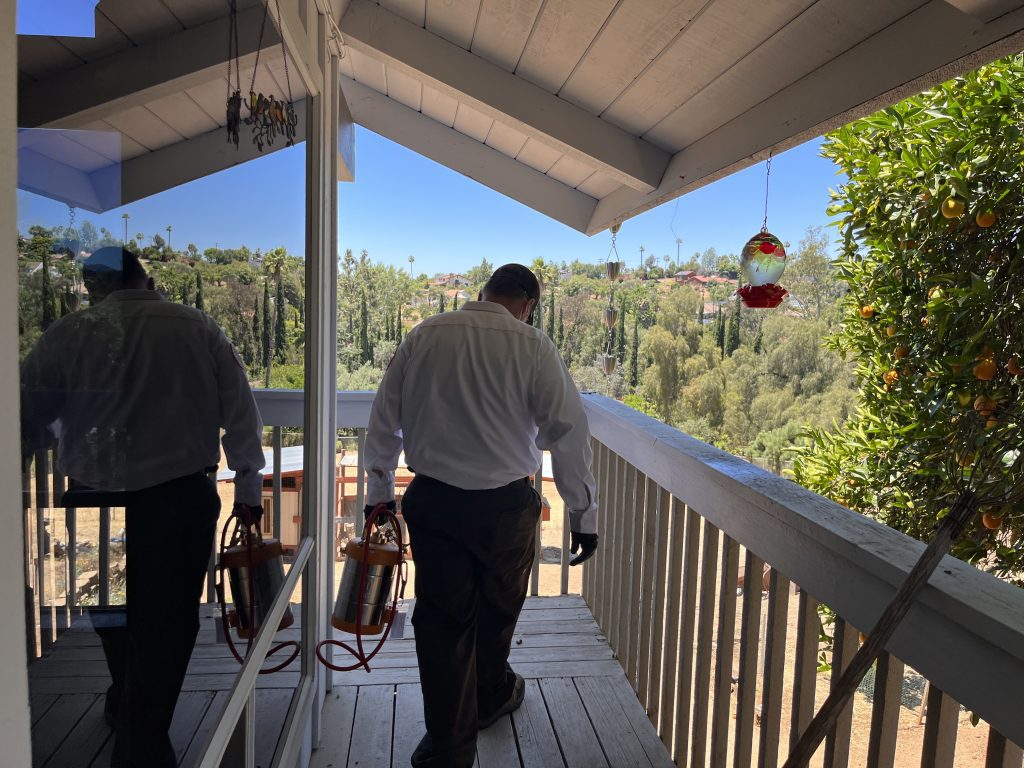
Shared communities like condominiums, townhouses, and gated neighborhoods offer many conveniences, but they also come with unique challenges when it comes to pest control. With multiple residents sharing walls, yards, and common spaces, infestations can spread quickly if left unmanaged. Homeowners Associations (HOAs) play an important role in maintaining health, safety, and comfort for residents, which is why tailored pest plans are essential. These plans address collective needs, balance costs, and ensure compliance with community standards.
What sets HOAs apart from individual homes is the need for coordinated strategies that account for both private and common spaces. A pest that begins in one kitchen or garage can easily migrate through shared walls, plumbing, or hallways. Without unified treatment, infestations often bounce back and forth between units, frustrating residents and increasing costs. This makes community-wide solutions not only practical but necessary for long-term effectiveness.
Why HOAs Need Specialized Pest Solutions
Unlike single-family homes, HOA-managed properties must protect not just individual households but entire buildings and communal areas. A single pest problem in one unit can easily spread through shared walls or common grounds. Rodents in garages, cockroaches in utility spaces, or ants in landscaping can quickly become neighborhood-wide issues.
Specialized pest plans allow HOAs to implement consistent strategies across all units and shared properties. They also ensure every resident benefits equally, reducing the risk of disputes over responsibilities. By coordinating inspections, treatments, and preventive measures, communities can maintain a safer, healthier environment for all.
Common Pest Pressures In Shared Living
Shared communities are especially vulnerable to certain pests due to their design and density. Regular maintenance and inspection help identify these problems before they spread further.
- Cockroaches: Often thrive in kitchens and utility areas, especially in older buildings. They can move between units quickly, exploiting gaps and shared plumbing. Understanding where they hide is crucial to effective management.
- Rodents: Rats and mice enter through small openings in roofs, garages, and landscaping, contaminating food storage and damaging wiring.
- Ants: With easy access to shared green spaces and patios, ants often establish large colonies that spread across multiple homes.
- Spiders: These thrive in garages, storage units, and under landscaping features, creating unease for residents.
- Seasonal pests: Depending on the time of year, different invaders appear, which makes year-round awareness necessary. Resources like a seasonal pest calendar highlight how threats shift across months.
These pressures make it clear that shared communities need consistent and proactive solutions rather than occasional treatments.
Benefits Of HOA-Friendly Pest Plans
HOA-focused pest plans are designed to balance community-wide needs with efficiency and compliance. Instead of addressing infestations after they occur, they focus on preventing outbreaks and ensuring long-term protection.
- Uniform coverage: Every unit and shared area receives equal attention, reducing gaps in treatment.
- Budget efficiency: Costs are distributed across the community, making professional services more affordable for residents.
- Health and safety compliance: Regular treatments reduce risks of allergens, bites, and contamination, ensuring safer living.
- Legal and insurance advantages: HOAs that adopt structured pest plans demonstrate due diligence, which can help with liability and insurance requirements.
- Long-term savings: Preventing infestations reduces costly repairs to buildings, landscaping, and utilities.
These benefits demonstrate that HOA-friendly approaches go beyond convenience; they protect both the community’s finances and its residents’ well-being.
How To Implement Effective Community Pest Plans
For pest plans to succeed, HOAs must work closely with professional providers to design strategies tailored to their specific community. The most effective programs combine prevention, treatment, and ongoing monitoring.
- Inspection and assessment: Identify vulnerabilities in both shared areas and individual homes.
- Preventive treatments: Apply measures before infestations escalate.
- Resident communication: Provide guidelines on reducing attractants like improper trash storage or standing water.
- Seasonal scheduling: Adapt treatments to match pest activity levels across the year.
- Ongoing monitoring: Use follow-ups to ensure effectiveness and adjust strategies as needed.
Consistency is key. A one-time treatment may offer temporary relief, but lasting protection comes from structured programs that evolve with the needs of the community.
When Professional Help Is Non-Negotiable
Pests in shared communities cannot be left to chance or DIY efforts. Homeowners may attempt to manage their own units, but without coordination, infestations simply shift from one space to another. Professional oversight ensures treatments are comprehensive, safe, and fully aligned with community standards.
When infestations spread to multiple homes, professional expertise is the only reliable solution. Licensed specialists not only treat the problem but also identify structural vulnerabilities that invite pests inside. Their ability to design preventive strategies saves money and avoids the stress of recurring infestations.
Build A Safer, Healthier Community
Shared living comes with unique challenges, but pests do not need to be one of them. Structured, HOA-friendly pest plans make all the difference in creating a community where residents feel comfortable and secure.
Partner With Experts Who Understand Community Needs
Keep your community safe and pest-free by contacting Archer Termite & Pest Control. Our expertise in HOA-friendly pest plans ensures protection that works for every resident year-round.