
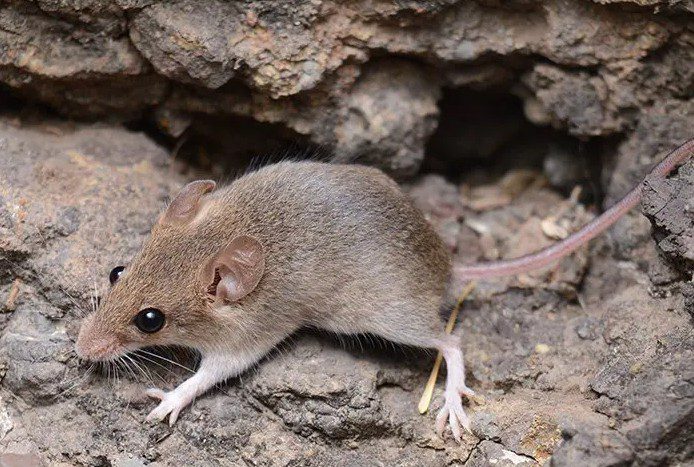
Rodents rarely enter a home through one obvious opening. Rats and mice can follow rooflines, utility penetrations, garage gaps, crawl-space access points, vents, and structural joints. Effective rodent control depends on more than removing the animals already inside. It requires finding how they entered and closing the routes that make repeat activity possible.
Professional exclusion combines inspection, trapping or removal, sealing, monitoring, and follow-up. That process matters because a missed opening can undo successful service. Homeowners often notice the most visible gap, while technicians look for connected travel routes, evidence of repeated use, and building features that rodents can exploit.
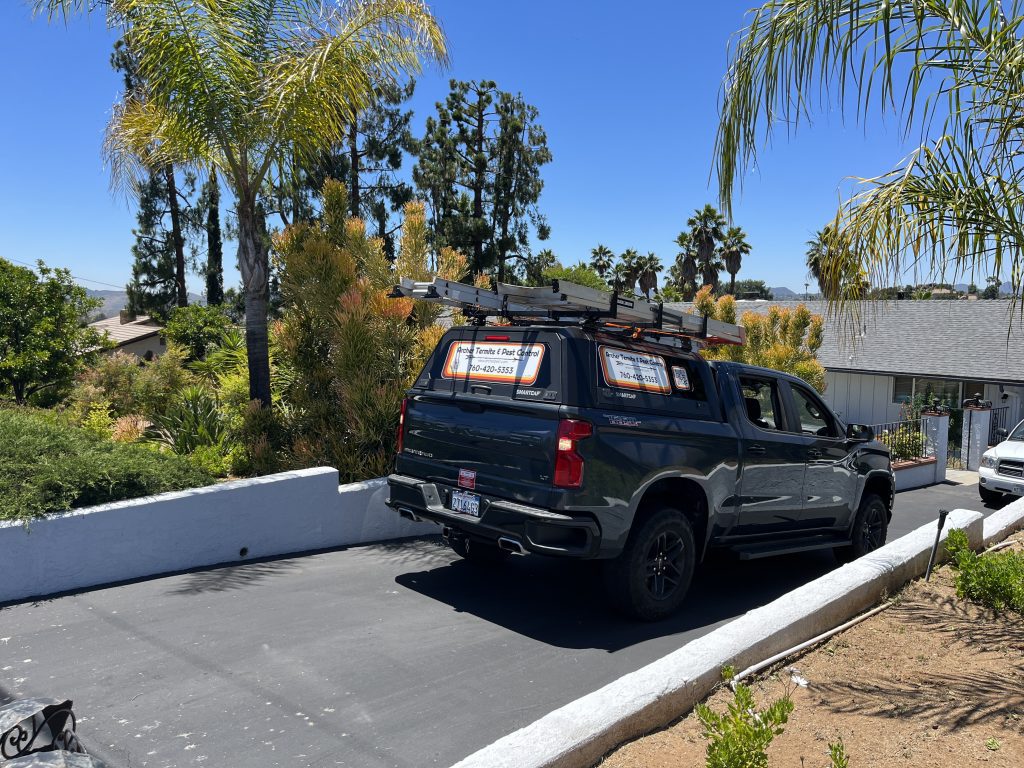
Professionals Trace Evidence Before Sealing Openings
The first difference is that exclusion begins with evidence, not assumptions. Technicians inspect droppings, rub marks, gnawing, nesting material, footprints, noises, and damage to determine where rodents are traveling.
A professional inspection may focus on:
- Roof edges, eaves, soffits, and attic access points
- Utility lines entering walls or foundations
- Garage-door corners and damaged weatherstripping
- Vents, crawl-space openings, and pipe penetrations
- Gaps behind stored materials
- Areas with repeated droppings or gnaw marks
This evidence helps distinguish a true entry route from a harmless crack. The principles behind long-term pest control also show why exclusion works best when inspection, identification, treatment, prevention, and monitoring are connected rather than treated as separate tasks.
Small Roofline Gaps Are Easy To Overlook
Homeowners often inspect at eye level, yet rodents may reach structures from fences, trees, utility lines, patios, or adjoining roof surfaces. That makes upper-level openings important.
Technicians evaluate how roof rats and mice could move across the exterior, then inspect vents, fascia, soffits, roof intersections, and gaps around service penetrations. An opening does not need to look dramatic to matter. Rodents can take advantage of worn construction joints or damaged materials that are difficult to see.
Professional rodent control also considers whether an opening is currently active. Sealing every visible gap without understanding what is happening inside can create problems if rodents remain trapped in an attic or wall space. Removal and exclusion need to be sequenced carefully.
Pros Match Exclusion Materials To The Opening
Closing an entry point is not simply a matter of filling a hole. The material has to fit the location, withstand weather and movement, and resist chewing or displacement.
Common professional priorities include:
- Using durable materials suited to the gap
- Securing vent openings without blocking required airflow
- Repairing damaged screens instead of covering them loosely
- Reinforcing vulnerable utility and pipe penetrations
- Correcting garage-door gaps and worn weatherstripping
- Avoiding seals that interfere with drainage or building function
Technicians also consider how the structure expands, settles, and ages. A patch that looks secure today may separate later if it is attached poorly or installed over damaged material. Long-term exclusion aims to make the repair part of the building envelope rather than a temporary cover.
Inspections Reveal Problems Before Rodents Settle In
Exclusion is most efficient when access points are found before a large infestation develops. Seasonal inspections can uncover fresh gnawing, new gaps, damaged vents, or early nesting signs while the problem is still limited.
The value of summer pest inspections is that technicians can identify developing activity before heat, open doors, landscaping, and moisture allow pests to spread. For rodents, that may mean recognizing a garage entry route or roofline weakness before repeated nesting begins.
This preventive approach can also reveal non-rodent issues around the same areas. Archer’s pest program addresses termites, bed bugs, ants, cockroaches, spiders, fleas, and other household pests, so inspection findings can be evaluated in context rather than assuming every sign comes from a rat or mouse.
Follow-Up Confirms Whether Exclusion Actually Worked
A sealed opening is only successful if rodent activity stops and no alternate route becomes active. Professionals use follow-up to confirm that removal is complete and that the exclusion remains secure.
A complete follow-up plan may include:
- Rechecking previous droppings and travel areas
- Monitoring traps or activity indicators
- Inspecting sealed entry points for disturbance
- Looking for new gnawing around nearby openings
- Reviewing attic, garage, and crawl-space activity
- Adjusting exclusion if rodents shift to another route
This is where professional rodent control differs most from one-time sealing. Technicians can compare current conditions with the original inspection and determine whether the pattern has actually changed.
Rodent exclusion is a building-level strategy, not a collection of random patches. The most effective work combines evidence, removal, selected materials, entry-point repair, and monitoring. By tracing how rodents use the property before sealing anything, professionals reduce the chance of trapping animals inside or overlooking the route that matters most. That precision is what turns exclusion from a temporary fix into a stronger long-term defense.
Close The Routes Rodents Keep Finding
If rats or mice are entering your home, contact Archer Termite & Pest Control for professional inspection, humane removal, exclusion, monitoring, and long-term rodent control tailored to your property.