
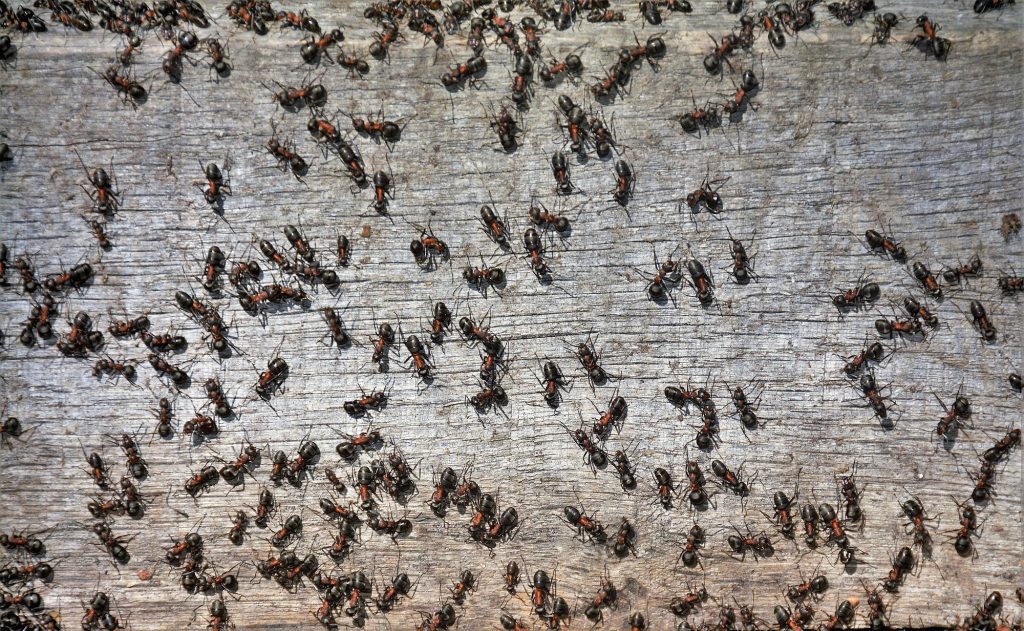
Summer can make ant activity feel sudden, but most infestations build from conditions that have been developing quietly. Warm weather increases foraging, outdoor dining creates more food access, and moisture around kitchens, patios, and landscaping gives ants more reasons to stay close to the structure. What begins as a few ants near a counter, sink, grill, or sliding door can quickly become a steady trail when the colony finds a reliable resource.
Ant prevention is most effective when indoor and outdoor spaces are considered together. Ants do not respect the line between the kitchen and the yard. They move through cracks, utility gaps, window frames, foundation edges, wall voids, mulch beds, and patio joints. A professional approach looks at those pathways carefully so the response is not limited to the ants that are already visible.
Summer Kitchens Create Easy Food And Moisture Access
Kitchens often become the first place people notice ants because they combine food, water, warmth, and shelter. During summer, frequent cooking, fruit storage, sugary drinks, pet bowls, and trash buildup can give ants more opportunities to establish trails.
- Counters should be kept free of crumbs, syrup, grease, and sticky drink residue after food preparation.
- Pantry items should be stored in sealed containers, especially sweets, cereal, grains, and pet food.
- Sinks, dishwashers, and under-sink cabinets should be checked for moisture, drips, or damp materials.
- Trash containers should close tightly and be emptied before odors attract ants.
- Pet feeding areas should be cleaned regularly so food pieces do not remain overnight.
Ants often follow scent trails once they locate a steady source. Wiping surfaces helps, but it may not solve the reason ants are entering. If trails keep returning after cleaning, the issue may involve an entry point, nesting site, or exterior pressure that needs closer inspection.
Outdoor Spaces Can Feed Indoor Ant Problems
Patios, yards, and exterior walls often support the ant activity that eventually appears indoors. Summer gatherings, grill areas, outdoor trash bins, irrigation, and shaded landscaping can all make ants more active near the home. Once colonies become comfortable close to the structure, kitchens and bathrooms are the natural next stops.
- Grills should be cleaned after use because grease and food particles can attract ants quickly.
- Outdoor trash and recycling bins should be sealed and kept away from doors when possible.
- Mulch should not stay overly damp or be piled too high against the foundation.
- Tree branches, shrubs, and vines should be trimmed away from walls, rooflines, and windows.
- Patio cracks, door thresholds, and utility penetrations should be watched for repeated ant movement.
Warm weather can also increase pressure from roaches, spiders, rodents, fleas, and termites, especially when food, shelter, and moisture are available. For a broader seasonal perspective, these warmer-month tips show why ants and other household pests often become more noticeable as temperatures rise.
Entry Points Turn Small Activity Into Larger Trails
Ants are persistent because they can use very small openings. A window gap, loose door sweep, foundation crack, pipe opening, or exterior trim separation may be enough for steady movement. In many homes, people see ants in the kitchen, but the actual route begins outside near soil, plants, drainage areas, or structural joints.
- Door sweeps should sit snugly enough to reduce gaps under exterior doors.
- Window frames should be checked for worn seals, cracks, and loose trim.
- Plumbing and utility lines should be reviewed where they enter walls or cabinets.
- Foundation edges should be inspected for cracks or small openings near ant trails.
- Moisture-prone spaces should be monitored because damp materials can attract ants and other pests.
This is where a one-time surface response often falls short. Ants may disappear briefly, then return through the same route or shift to another opening. Professional inspection helps connect the visible trail to the larger movement pattern. That matters because different ant species and nesting locations require different treatment decisions.
Customized Pest Planning Improves Long-Term Results
Every property has a different layout, moisture pattern, landscaping style, and pest history. A home with dense plants against the foundation needs a different strategy than a home with recurring kitchen trails, crawl-space moisture, or outdoor dining areas. Professional ant prevention works better when the plan is shaped around the property instead of using the same approach everywhere.
Customized treatment also helps avoid unnecessary guesswork. Technicians can evaluate where ants are entering, what is attracting them, how active the trails are, and whether other pests are benefiting from the same conditions. That information supports targeted service, prevention recommendations, and long-term monitoring.
For homeowners comparing service options, customized treatments explain why property-specific planning can be more effective than general pest-control routines. The goal is not only to reduce activity today, but to make the home less inviting through the rest of the season.
Keep Summer Ant Trails From Taking Over
Summer kitchens and outdoor spaces can invite ants when food, moisture, and entry points are left unchecked. For professional ant prevention and practical pest protection, contact Archer Termite & Pest Control for expert service.