

A few ants near the sink may not seem serious at first. Then the activity spreads into cabinets, hidden corners, and nearby rooms. Suddenly, a small issue becomes a larger concern. Pest problems often develop this way, which is why generalized solutions do not always work for every property.
Homes and businesses experience pest activity differently. Some deal with recurring moisture-related issues, while others struggle with rodents, termites, or seasonal invaders. A customized pest control treatment plan allows professionals to study those conditions carefully before selecting the most effective strategy.
Rather than relying on broad applications, tailored plans focus on the actual conditions contributing to pest activity. That targeted approach can improve treatment accuracy, strengthen long-term prevention, and help reduce recurring infestations.
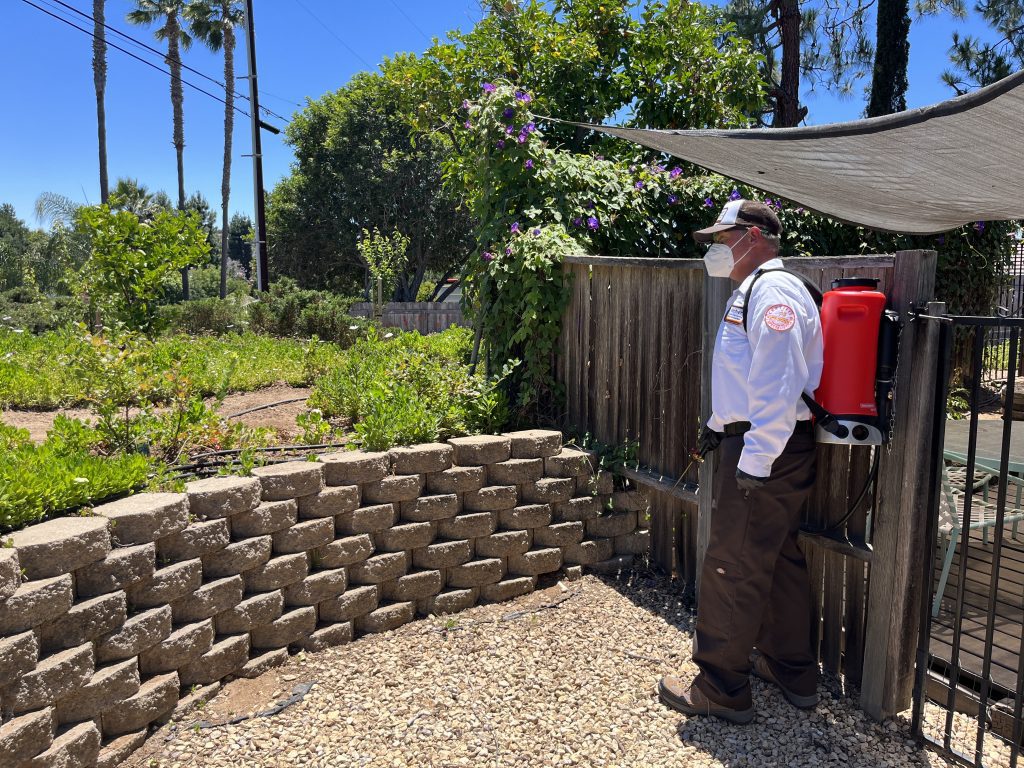
Why Different Properties Need Different Solutions
No two infestations behave exactly alike. Even neighboring homes may experience different pest issues based on landscaping, moisture levels, structural gaps, sanitation habits, and surrounding environmental conditions.
A customized pest control treatment strategy starts with detailed inspection and observation. Professionals evaluate active pest movement, nesting areas, entry points, and the environmental conditions that help pests survive.
Several factors often shape a treatment plan:
- Property conditions influence pest activity. Structural and environmental factors vary from one location to another
- Seasonal pressure changes constantly. Different pests become more active during certain times of the year
- Hidden access points allow infestations to continue. Small openings may create ongoing entry opportunities
- Moisture-prone spaces attract certain pests. Damp areas often support long-term activity
- Previous infestations may increase future risk. Untreated vulnerabilities can contribute to recurring problems
This process creates a more focused response. Instead of relying on temporary fixes, professionals can identify the conditions helping pests survive inside or around the property.
For example, termite concerns require a different strategy than mosquito reduction or rodent exclusion work. Even treatment methods for the same pest may vary depending on infestation severity and location.
How Customized Plans Support Long-Term Prevention
Quick treatments may reduce visible activity temporarily, but long-term pest control often depends on understanding why the infestation developed in the first place.
Professionals usually evaluate environmental conditions contributing to recurring activity. Rodents may enter through damaged vents or utility gaps. Cockroach problems may increase because of hidden moisture behind appliances. Mosquitoes often thrive near standing water and shaded outdoor areas.
Addressing those contributing conditions can improve long-term results.
Effective long-term pest management often includes:
- Monitoring helps identify changing activity. Early detection may reduce the spread of infestations
- Seasonal adjustments improve treatment timing. Pest pressure changes throughout the year
- Exterior conditions affect pest populations. Vegetation, debris, and moisture may support activity
- Entry-point reduction limits indoor access. Sealing gaps may help reduce recurring problems
- Targeted applications improve treatment precision. Focused service helps address active areas directly
This proactive approach helps reduce repeat infestations while allowing treatment plans to adapt throughout the year.
Preparation before service can also improve treatment efficiency. Homeowners can review these helpful pre-service preparation steps before scheduled visits.
The Importance Of Professional Inspections
Pests often remain hidden long before visible signs appear. Activity may already exist behind walls, inside crawl spaces, or within attic areas by the time homeowners notice a problem.
Professional inspections help uncover hidden conditions early.
Experienced technicians understand pest behavior, nesting habits, and environmental clues that may point toward larger infestations. That knowledge allows treatments to become more precise rather than reactive.
A professional inspection may involve:
- Hidden conditions require careful evaluation. Infestations may spread quietly inside concealed areas
- Pest behavior patterns reveal important clues. Activity often follows predictable environmental conditions
- Structural vulnerabilities may increase exposure. Small openings can create long-term access points
- Outdoor conditions influence indoor activity. Surrounding environments often affect infestation pressure
- Inspection findings guide treatment decisions. Different situations may require different strategies
This level of detail matters because pest activity changes throughout the year. Warmer temperatures may increase mosquito and ant activity outdoors, while colder weather often drives rodents indoors seeking shelter.
Different situations may also require different treatment methods. Some infestations may benefit from baiting systems or exclusion work, while others require targeted crack-and-crevice applications.
Why Tailored Service Plans Often Provide Better Value
Some people assume customized services automatically involve larger treatments. In reality, personalized plans often help avoid wasted effort by focusing attention where it is actually needed.
Targeted pest control treatment plans may provide:
- Treatment schedules become more efficient. Service timing can be adjusted based on pest activity
- Monitoring creates stronger long-term protection. Ongoing observation helps identify recurring concerns
- Flexible strategies improve response times. Plans may adapt as environmental conditions change
- Preventive efforts reduce repeat infestations. Addressing root causes supports longer-lasting results
- Documentation supports better consistency. Inspection records help track activity patterns over time
Instead of relying on repeated one-time treatments, structured long-term plans often focus on prevention, monitoring, and environmental correction.
Many property owners also value ongoing protection options and service agreements. Reviewing different service warranty options may help when comparing providers.
Smarter Pest Management Starts With A Tailored Plan
Pest problems rarely remain isolated for long. Small warning signs can eventually develop into larger structural or sanitation concerns when underlying conditions remain untreated.
That is why customized pest control treatment plans continue to play an important role in effective pest management. They allow professionals to focus on property-specific conditions instead of relying on generalized solutions.
A thoughtful plan considers pest pressure, environmental conditions, seasonal patterns, and long-term prevention goals together. The result is often a more efficient and practical approach for maintaining a healthier indoor and outdoor environment.
A More Focused Path Forward
Professional support can make a meaningful difference when pest activity becomes difficult to manage or repeatedly returns. Contact Archer Termite & Pest Control to learn more about customized treatment plans designed for long-term pest protection.