
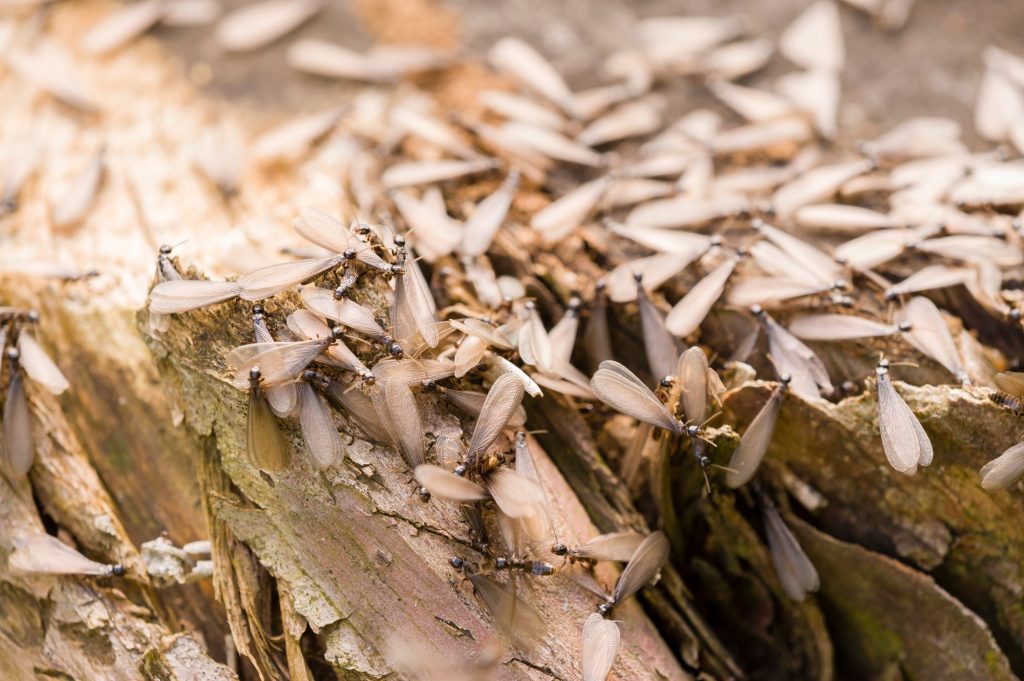
Termites are silent destroyers, capable of compromising structural integrity long before visible damage appears. Understanding how different treatment options work is essential for homeowners seeking protection that truly lasts. While prevention and control methods vary, the goal remains the same: stopping infestations before they threaten the foundation of your home.
Below, our experts break down modern termite treatments, their advantages, and what makes each one suited for specific needs and environments.
Understanding the Nature of Termite Activity
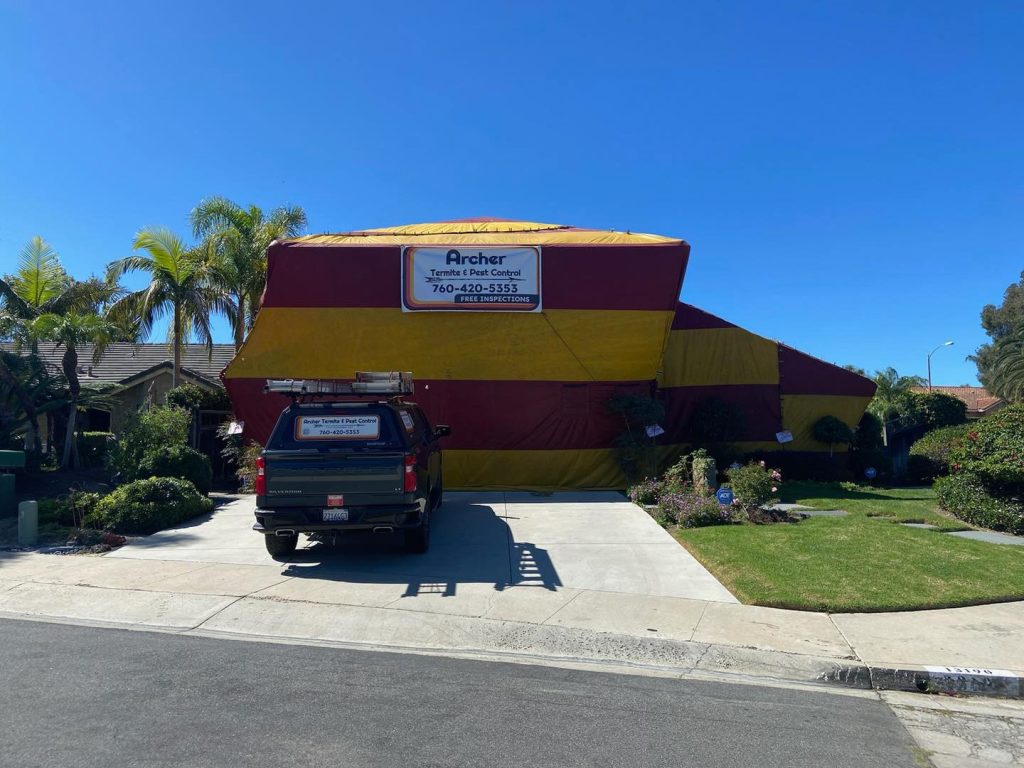
Before any treatment is chosen, it is critical to understand how termites behave. Colonies thrive in moist, warm environments and often start underground or within hidden wood structures. What makes them difficult to control is their ability to remain undetected for years, steadily consuming wood from the inside out.
Early detection plays a vital role in preventing costly repairs. Many homeowners overlook subtle indicators like bubbling paint, hollow-sounding wood, or faint clicking noises. Learning to identify key warning signs helps in recognizing problems before they spread.
Although termites differ from pests like ants or spiders, their control follows the same foundational principle as spider control: eliminate the source, interrupt reproduction, and create a barrier against re-entry.
Liquid Soil Treatments: Creating a Protective Barrier
One of the most established methods for managing termites is the use of liquid soil treatments. This approach involves applying a termiticide around the perimeter of a home to form a continuous chemical barrier. When termites pass through the treated soil, the chemical either kills them instantly or spreads through the colony via transfer.
Key benefits include:
- Comprehensive coverage: The perimeter barrier protects entry points like foundation gaps and expansion joints.
- Long-lasting results: High-quality termiticides can remain effective for up to ten years, offering extended defense.
- Colony elimination: Advanced formulations spread from one termite to another, targeting the colony rather than just individual insects.
Liquid treatments are most effective in regions with recurring infestations and moisture-prone soils. However, to maintain lasting results, professional application is necessary to ensure consistent soil saturation and safety compliance.
Baiting Systems: A Smarter Way to Target Colonies
Termite baiting systems are a modern, eco-conscious solution that uses targeted attractants rather than large-scale chemical application. The system consists of strategically placed bait stations around the property, each containing cellulose infused with slow-acting termiticide. When worker termites feed on it, they carry the toxic compound back to the colony.
Advantages of baiting systems include:
- Minimal disruption: Installation requires no trenching or drilling.
- Colony eradication: The poison spreads within the colony, killing both workers and queens.
- Monitoring capability: Professionals can regularly inspect stations to track termite activity and adjust treatment if needed.
Baiting is ideal for areas where traditional chemical barriers are difficult to install, such as around wells or landscaping features. While slower than liquid treatments, bait systems are highly effective in controlling deep-rooted colonies and preventing reinfestation.
Wood Treatments and Direct Applications
For infestations within existing structures, direct wood treatments offer a localized and highly controlled approach. These methods include surface sprays, injected foams, and borate-based solutions that penetrate deep into wooden materials to kill active termites and prevent future colonization.
This approach is particularly useful in combination with other termite solutions. Professionals often recommend wood treatments after initial soil or bait installation to reinforce protection inside the structure.
Benefits of wood treatments include:
- Immediate impact: Active infestations are treated directly within walls, beams, or flooring.
- Dual protection: Kills existing termites and acts as a deterrent against new colonies.
- Adaptability: Effective for both new construction and older homes undergoing renovation.
While these treatments can appear straightforward, precision in application is key. Incorrect dosages or missed sections can allow termites to persist unnoticed.
Environmental Conditions and Regional Factors
Selecting the right treatment depends not only on infestation level but also on regional climate and soil composition. For instance, homes near the coast face unique challenges due to humidity and soil salinity, which can accelerate both termite activity and wood decay.
Professional termite specialists evaluate these environmental variables before recommending treatment plans. They consider:
- The type of termite species present (subterranean, drywood, or dampwood)
- The age and foundation type of the property
- Soil pH and moisture content
- Accessibility of key areas for barrier application or bait placement
While some homeowners attempt do-it-yourself measures, termite infestations often run deeper than expected. Expert evaluation ensures precision and safety, two factors essential for achieving lasting results.
Monitoring, Maintenance, and Ongoing Protection
No termite treatment is ever truly permanent. Continuous monitoring and periodic inspections remain crucial in preventing recurrence. Much like general pest control, success depends on maintaining an active defense system that evolves with environmental shifts and structural changes around the property.
Key steps for ongoing protection include:
- Scheduling annual inspections to check for moisture buildup or soil disruption
- Ensuring crawl spaces remain dry and well-ventilated
- Reapplying treatments or replacing bait cartridges at professional intervals
- Repairing wood-to-soil contact points, which often serve as direct access routes
By pairing preventive care with professional oversight, homeowners can ensure that termite treatments remain effective year-round.
Ready to Safeguard Your Home’s Structure?
Termites can compromise even the most well-built homes, but informed choices and expert guidance make prevention achievable. To ensure your property receives the right protection, reach out to Archer Termite & Pest Control. Schedule a comprehensive inspection and discover how expert solutions can preserve your home’s value for years to come.