
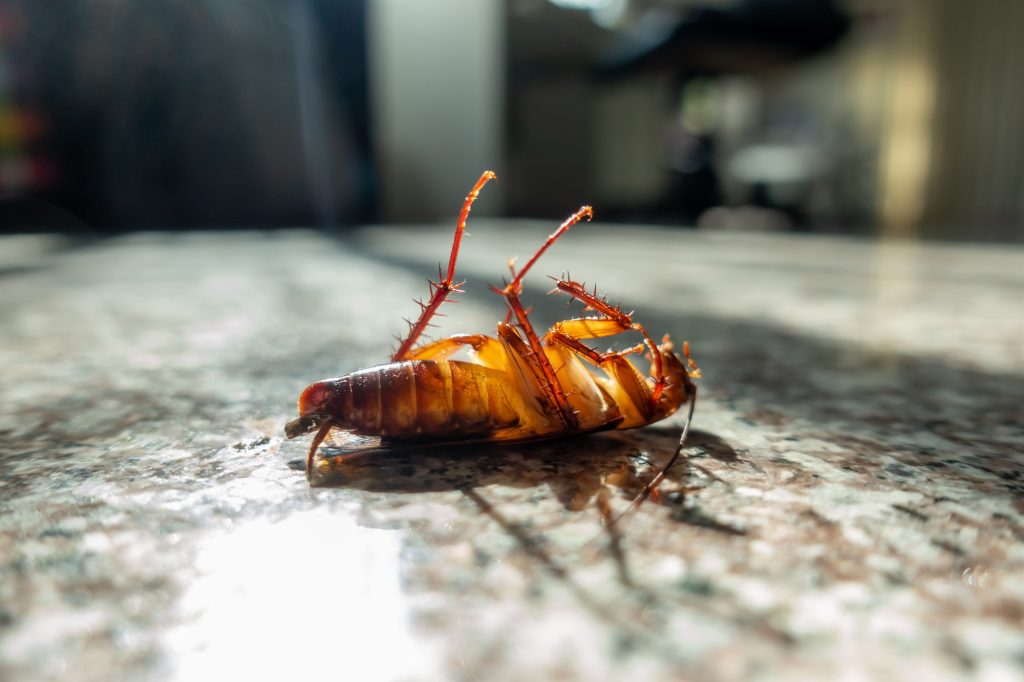
Older homes often carry a sense of history and charm, but they also come with vulnerabilities that newer buildings may not have. Among the most persistent problems are cockroach infestations. Cracks, gaps, aging pipes, and outdated storage areas provide plenty of hiding spots for these resilient pests. Understanding where cockroaches hide and why older homes attract them is key to effective cockroach control.
While seeing one cockroach is unpleasant, it is rarely a solitary visitor. Roaches are nocturnal and thrive in dark, damp, and food-rich environments. This means that by the time a homeowner spots one, dozens more could already be entrenched in hidden spaces. Left untreated, infestations worsen over time, and the cost of ignoring them often extends beyond property damage to serious health risks.
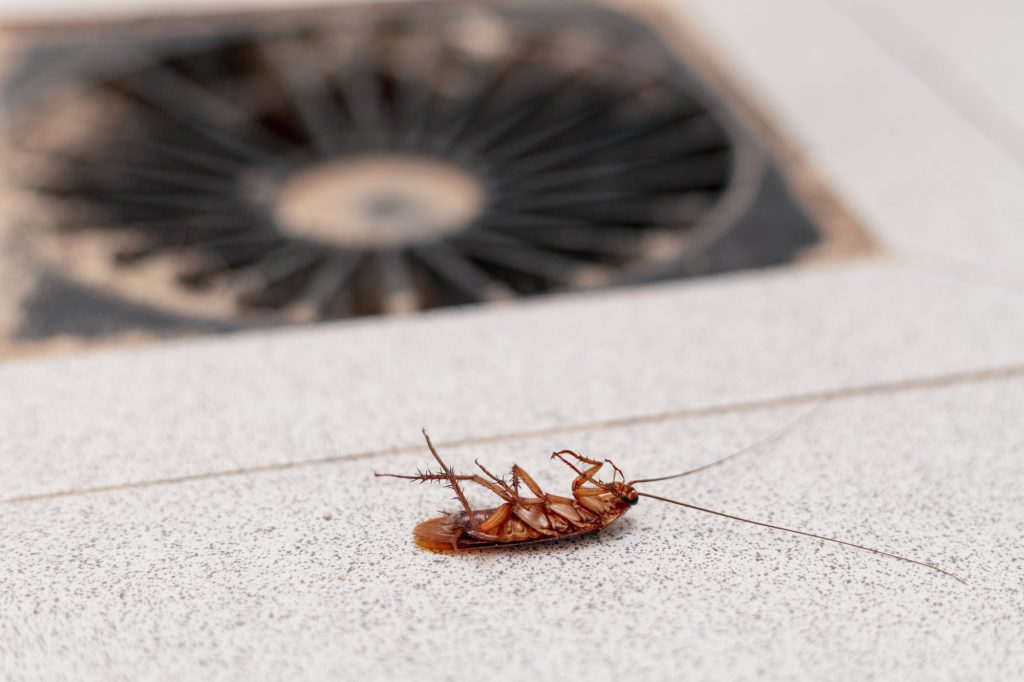
Kitchens: The Prime Cockroach Target
Kitchens are a natural hotspot for cockroaches because they provide the essentials for survival. Food crumbs, grease, and moisture make these areas particularly inviting. In older homes, gaps behind appliances and worn cabinetry increase the number of potential hiding places.
Common kitchen hiding spots include:
- Under sinks where leaky pipes create constant moisture
- Behind refrigerators and stoves, where warmth and food residue accumulate
- Inside cabinets and drawers with crumbs or unsecured food items
- Cracks in tile grout or baseboards that allow easy access
Cockroach control in kitchens requires more than surface cleaning. While regular sanitation helps, structural vulnerabilities in older homes mean infestations often persist without professional intervention.
Bathrooms: Hidden Havens of Moisture
Moisture is one of the strongest attractants for cockroaches, which makes bathrooms another hotspot. Older plumbing systems may leak or sweat, creating ideal conditions for roaches to breed and spread.
Key bathroom hiding places include:
- Behind toilets, where condensation creates dampness
- Under sinks with old or leaky pipes
- Around tubs and showers, where cracks in caulking provide shelter
- Inside medicine cabinets or under shelving with small gaps
Because bathrooms often remain humid even after daily use, they provide cockroaches with a stable water source. Combined with small cracks common in older tile and flooring, infestations can thrive unnoticed until they expand.
Basements and Crawl Spaces: Out of Sight
Basements and crawl spaces are often overlooked during routine cleaning, which makes them perfect areas for cockroach colonies to grow. These spaces typically combine moisture, darkness, and clutter, especially in older houses with poor ventilation.
Common problem areas include:
- Piles of cardboard or paper that absorb moisture and provide food
- Stored furniture or belongings that are rarely moved or inspected
- Foundation cracks and gaps leading directly into the home
- Damp corners where humidity levels remain high year-round
When left unchecked, infestations in these hidden areas often spread upward into living spaces. Addressing them requires more than temporary fixes, since older homes may have structural vulnerabilities that allow repeated entry. Many families discover too late the hidden costs of ignoring pests, especially when infestations begin in out-of-sight spaces.
Living Areas and Bedrooms: Secondary Sites
Although kitchens and bathrooms are primary targets, cockroaches can also spread into living areas and bedrooms. This is especially true in older homes with worn floorboards, gaps around windows, or wall voids. Once roaches migrate into these rooms, they become harder to detect because they use small, concealed spaces that rarely get attention during routine cleaning.
Typical hiding places include:
- Beneath couches, chairs, and beds, where crumbs and dust collect
- Inside electrical outlets, light switches, or wall cracks
- Behind picture frames or loose wallpaper, where warmth and shelter exist
- In closets or dresser drawers, if stored clothing or paper is present
Roaches in these areas are particularly concerning because they move closer to family spaces. Their droppings and shed skin contribute to allergens that can trigger asthma or other respiratory conditions. In addition, their nocturnal activity often brings them into contact with food, clothing, and personal belongings, increasing both contamination risks and discomfort.
Another problem in older homes is that living areas often feature hardwood floors, baseboards, or paneling with gaps created over time. These cracks serve as natural pathways for roaches to move between rooms without being noticed. Bedrooms, especially those with cluttered closets or piles of laundry, provide plenty of opportunities for roaches to settle unnoticed.
When infestations reach these areas, it signals that colonies have grown beyond kitchen or bathroom boundaries and are spreading widely throughout the home. At this stage, infestations are difficult to manage without professional cockroach control, since roaches exploit every hidden gap and reproduce quickly.
Why Professional Help Matters in Older Homes
While consistent cleaning reduces some risks, the reality is that older homes contain more entry points and hiding spaces than families can realistically manage on their own. Store-bought traps or sprays may offer temporary relief but rarely address root causes. There is a reason why DIY pest efforts fail: they cannot penetrate the cracks, walls, and deep hiding spots where roaches thrive.
Professional cockroach control brings targeted solutions that adapt to the specific vulnerabilities of older structures. Experts understand how to locate hidden colonies, cut off access points, and apply safe, long-term treatments that prevent recurring infestations. For families in older homes, this level of protection is not a luxury but a necessity to preserve both comfort and health.
Reclaim Your Home From Hidden Roaches
Don’t let cockroach hotspots in your older home compromise safety and peace of mind. Reach out to Archer Termite & Pest Control for expert solutions that address infestations where they start and keep them from returning.