
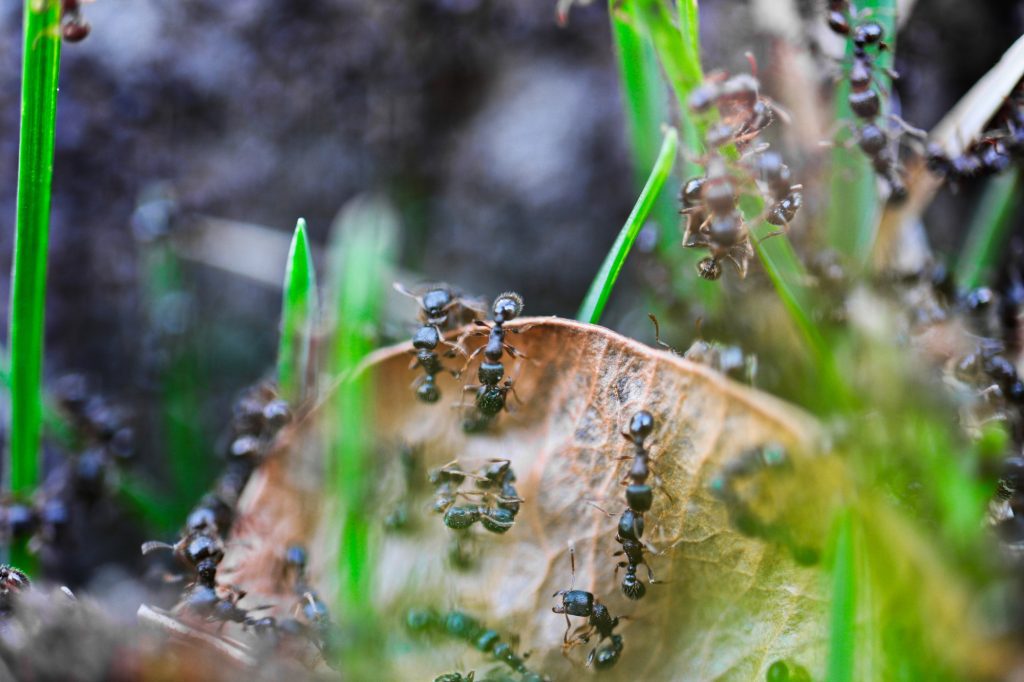
Warm weather changes how pests move, feed, and settle around a home. Ants become more active as colonies search for food and water, while cockroaches often move through warm, damp, protected areas near kitchens, bathrooms, garages, and utility spaces. In coastal California homes, added moisture, outdoor dining, irrigation, and open doors can make this seasonal pressure even stronger.
Good pest control during warmer months starts with understanding the conditions that invite ants and cockroaches indoors. These pests are not just random visitors. They follow reliable food sources, water access, entry gaps, and hidden shelter. The same conditions can also support spiders, rodents, fleas, termites, and bed bugs, so a careful, whole-property approach is more effective than reacting to one visible pest at a time.
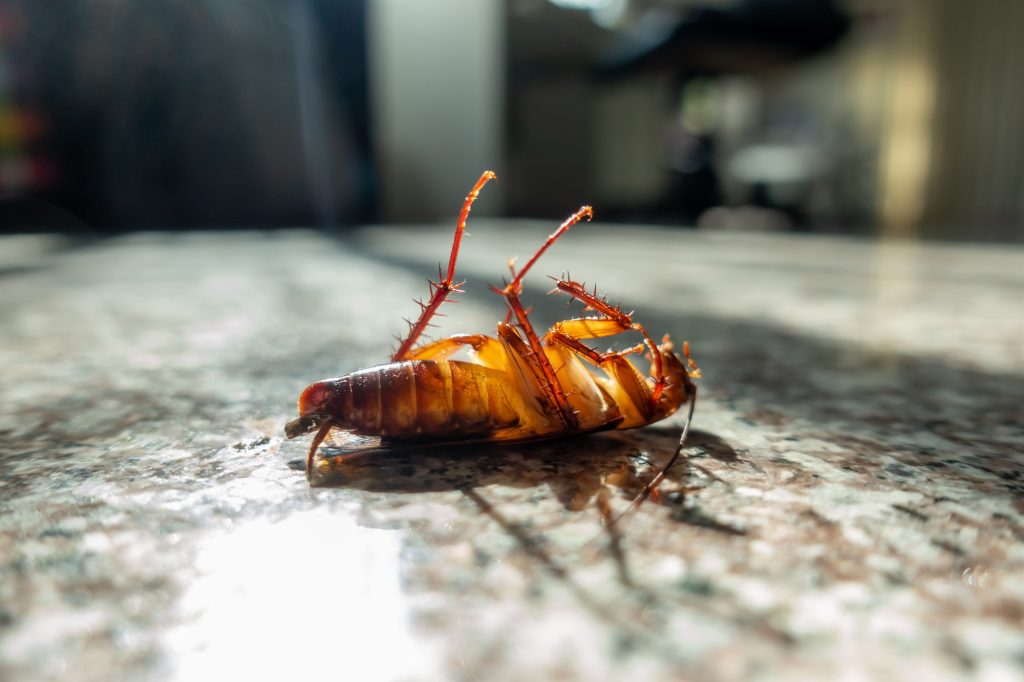
Start With Food, Moisture, And Access Points
Ants and cockroaches are highly responsive to basic resources. A few crumbs under an appliance, a leaking pipe under a sink, or a small gap near a door frame can be enough to support repeated activity. During warmer months, pest movement speeds up because food and moisture become easier to find around active households.
Important risk areas include:
- Kitchens. Grease, crumbs, pet bowls, trash, and pantry spills can attract ants and roaches.
- Bathrooms. Leaks, condensation, and warm plumbing spaces can support cockroach activity.
- Doors. Worn weatherstripping and loose thresholds can create easy entry points.
- Garages. Storage boxes, gaps, and hidden corners can give pests a protected shelter.
- Landscaping. Mulch, dense plants, and irrigation can keep pests close to exterior walls.
Reducing these attractants helps, but persistent activity usually needs professional inspection to find the deeper source.
Coastal Warm-Weather Conditions Can Increase Pest Pressure
Summer activity is not only about temperature. Coastal homes can experience humidity, marine-layer moisture, irrigation patterns, and outdoor living habits that affect pest behavior. Ants may trail from patios to kitchens. Cockroaches may gather near drains, crawlspaces, and shaded exterior areas. Spiders may become more noticeable when insect activity increases around lights and windows.
A helpful resource on summer pest pressure explains why coastal conditions require a prevention plan that responds to the season. Warmer months can also increase concerns with fleas, rodents, termites, and bed bugs when food, shelter, or access points remain available.
Seasonal warning signs include:
- Trails. Ants moving along counters, baseboards, windows, or patio edges often indicate a source nearby.
- Droppings. Cockroach or rodent evidence near cabinets, storage areas, or appliances should be checked.
- Odor. A musty smell may point to hidden roach activity in protected spaces.
- Webs. Spider activity can rise when insects gather near lights or moisture.
- Damage. Soft wood, termite signs, or gnaw marks should never be dismissed.
These signs are easier to manage when they are inspected early.
Prepare The Home So Treatment Can Work Better
Professional treatment is more effective when the home is ready for inspection and service. Preparation gives technicians better access to baseboards, cabinets, plumbing areas, garage edges, and exterior zones where pests often travel. It also helps separate normal household residue from active pest evidence.
Before service, review practical treatment preparation so the visit can be as thorough as possible. Preparation is not about fixing the problem alone. It allows the treatment plan to target the right places with fewer missed areas.
Helpful preparation steps include:
- Cleaning. Remove crumbs, grease, and food residue from counters, floors, and appliance edges.
- Storage. Keep pantry goods sealed and reduce clutter around affected spaces.
- Access. Clear areas beneath sinks, near walls, and around garages when possible.
- Reporting. Share where ants, roaches, or other pests have been seen.
- Safety. Follow any instructions provided for pets, children, and treated areas.
This makes professional service more precise and supports better long-term results.
Think Beyond A One-Time Surface Response
Ant and cockroach activity often returns when the source is not addressed. Wiping away an ant trail may remove the visible line, but the colony can rebuild if the food source, moisture, or entry point remains. A cockroach sighting may seem isolated, but roaches often hide in cracks, wall voids, drains, and appliance spaces where surface efforts do not reach.
A professional plan looks at species, activity level, home layout, and conditions around the structure. It may include targeted applications, exterior treatment, bait placement, crack-and-crevice service, monitoring, and recommendations for sealing or moisture correction. This is especially useful during warmer months when pest pressure can change quickly after rain, heat, irrigation, or increased outdoor use.
The goal is not simply fewer pests today. There are fewer reasons for ants, roaches, spiders, rodents, fleas, termites, and bed bugs to settle near or inside the home tomorrow. Long-term protection comes from treating the source, checking vulnerable areas, and adjusting service as the season changes.
Keep Warm-Weather Pests From Settling In
Ants and cockroaches are easier to control when food, moisture, entry points, and hidden shelter are addressed early. A professional inspection and targeted pest control plan can help reduce active problems and prevent recurring activity through the warmer months. For dependable ant, cockroach, and household pest support, contact Archer Termite & Pest Control.