
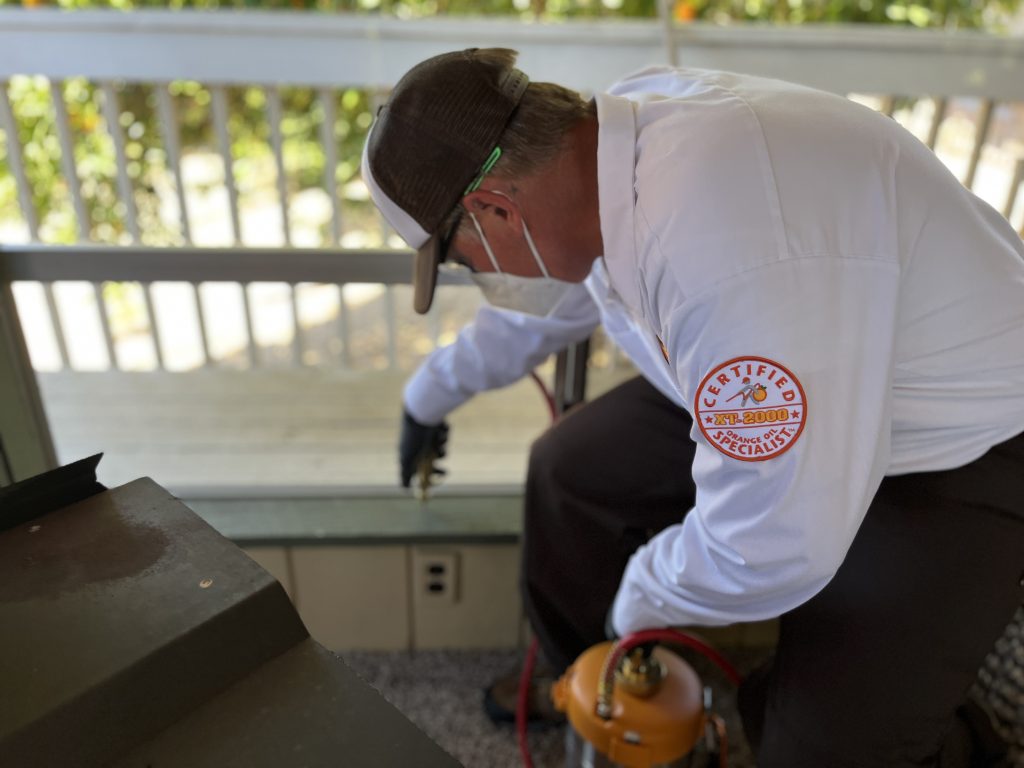
Termite damage can influence a home sale long before a buyer reaches the closing table. In San Diego County, both drywood and subterranean termites can affect structural wood, and hidden activity may raise questions about repair costs, property condition, and future maintenance. The impact on value is not always a simple dollar-for-dollar deduction, but documented damage can affect buyer confidence, negotiations, inspection findings, and the time needed to complete a transaction.
Professional termite evaluation helps separate active infestation from old damage and shows which areas need treatment or repair. That distinction matters because buyers, sellers, agents, and inspectors need clear information about the condition of the property rather than assumptions based on one visible sign.
Structural Damage Can Raise Questions About Overall Condition
Termites feed on wood, so long-term activity can weaken framing, trim, subflooring, roof components, and other structural materials. The seriousness depends on the species involved, how long activity has been present, and which parts of the home are affected.
Conditions that may concern buyers include:
- Wood that sounds hollow or feels weakened
- Visible galleries, pellets, or mud tubes
- Damage around windows, doors, or rooflines
- Previous repairs with unclear treatment history
- Moisture-prone areas with renewed termite evidence
- Structural sections that may require professional repair
Seasonal conditions also influence how visible termite activity becomes. Understanding seasonal termite behavior can help homeowners see why swarming, soil moisture, irrigation, and weather changes may reveal activity at different times without proving the infestation is new.
Inspection Findings Can Influence Negotiations
A termite inspection can become an important part of a real-estate transaction because it provides a clearer picture of current activity, previous damage, and recommended work. Buyers may use those findings when deciding whether to proceed, request repairs, renegotiate terms, or ask for additional documentation.
Not every termite finding has the same effect. A localized area of drywood termite activity may call for a different treatment and repair plan than widespread structural damage or subterranean termite activity near a foundation.
Professional inspections help define the scope before negotiations become driven by uncertainty. When treatment records, repair details, and follow-up findings are available, sellers can present a more complete history of what was found and how it was addressed.
Repair Costs Can Affect The Financial Side Of A Sale
Termite damage can create expenses beyond treatment itself. If feeding has weakened wood, structural repair may be necessary before the property is considered fully restored.
Possible cost areas include:
- Localized wood replacement
- Structural framing or trim repair
- Treatment for active termite colonies
- Follow-up inspection after treatment
- Access work needed to reach concealed damage
- Repair of moisture-related conditions that support activity
These costs can influence how buyers evaluate the property, especially if the extent of damage is uncertain. A home with documented treatment and completed repairs may be easier to assess than one with visible evidence but no professional evaluation.
For sellers, addressing termite issues before listing can reduce last-minute surprises. For buyers, inspection helps distinguish a manageable repair from a broader structural concern.
Professional Treatment Can Protect Resale Readiness
Trying to reduce visible termite activity without identifying the species or colony location can create false confidence. Surface treatment may make the problem look smaller while concealed feeding continues.
The limitations of surface pest sprays are especially important with termites because colonies can remain inside wood or below soil where ordinary spray applications cannot reach them effectively. Professional termite control begins with identification, inspection, and treatment selected for the actual conditions.
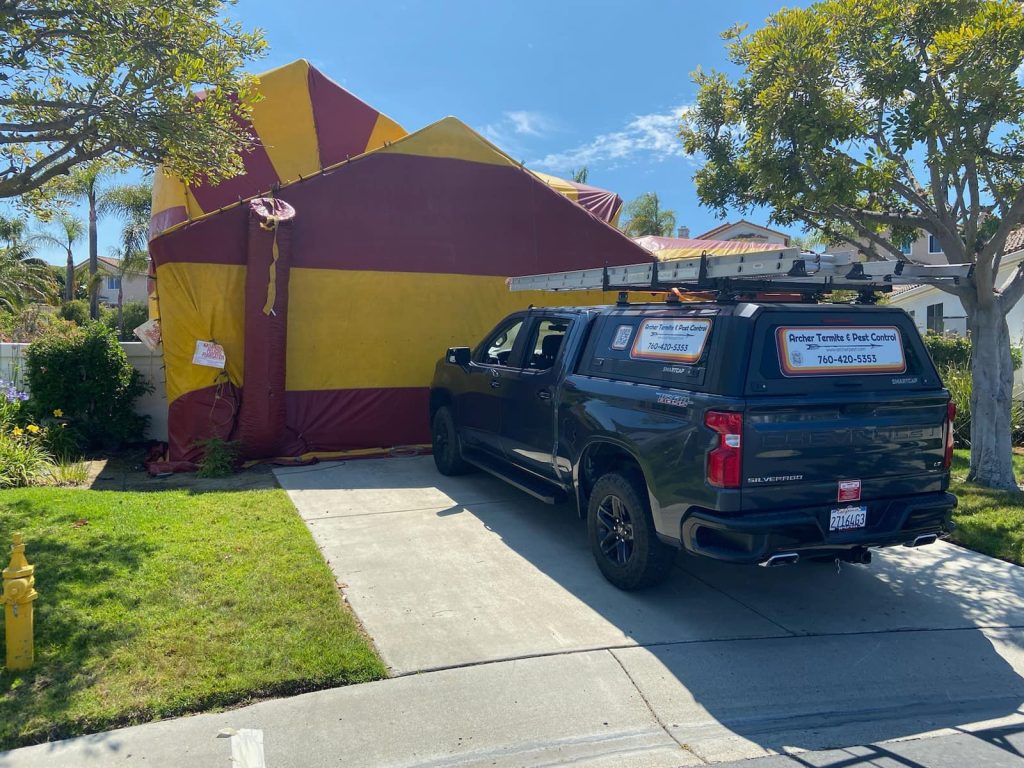
In San Diego County, that may include localized treatment, whole-home treatment, heat treatment, or structural repair depending on the infestation and property. Clear documentation of professional work can also help owners demonstrate that the issue was evaluated rather than ignored.
Ongoing Monitoring Helps Preserve Long-Term Property Condition
Termite treatment is only part of protecting a home’s value. Follow-up matters because irrigation, rainfall, repairs, landscaping, and aging building materials can change termite risk over time.
A long-term plan may include:
- Rechecking previously active areas
- Monitoring foundation and crawl-space conditions
- Watching for pellets, mud tubes, or swarmers
- Correcting wood-to-soil contact when practical
- Reviewing moisture near plumbing and irrigation
- Scheduling professional inspection when new evidence appears
Regular monitoring helps homeowners catch changes before they develop into more extensive termite damage. It also creates a clearer property history, which can be useful when preparing for an escrow inspection or future sale.
Termite damage does not automatically determine a home’s market value, but unresolved activity can complicate a transaction. Buyers may worry about hidden structural problems, while sellers may face repair requests, treatment costs, or delayed negotiations. The strongest position is usually built on accurate inspection, documented treatment, completed repairs, and realistic follow-up.
For San Diego County homeowners, professional termite management is therefore not only about removing insects. It is about protecting structural condition, reducing uncertainty, and keeping the property better prepared for appraisal, inspection, negotiation, and resale.
Protect The Value Behind The Walls
If you have found termite evidence or are preparing a property for sale, contact Archer Termite & Pest Control for professional inspection, termite treatment, structural repair, and escrow-related support.