
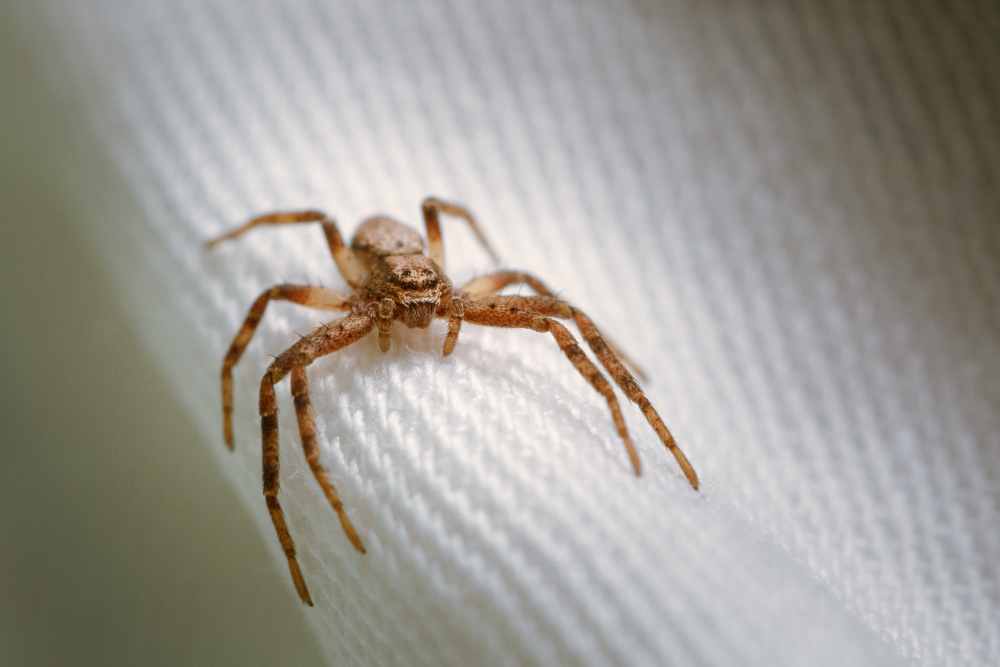
When the temperature starts to shift in the fall, many homeowners notice more spiders appearing around their structures. For those in the San Diego region, an effective approach to spider control means thinking ahead and acting smartly before the problem escalates. Below are five key areas to consider, each designed to help you manage spiders with minimal stress and maximum effectiveness.

Understanding What Draws Spiders Inside
Spiders typically seek two things: a food source (other insects) and shelter. As daylight shortens and nights become cooler, spiders may move indoors or closer to human-occupied spaces in search of easier conditions. One credible pest-professional resource describes how spiders “see a house just like you do…they identify conducive conditions and zero in on them because the potential to score a big meal is so great.”
In the fall, common attractors include cooler nights, accumulating leaf litter near foundations, piles of outdoor debris, or cracks and gaps around window and door frames. Recognizing these entry invitations is the first step toward smarter spider control.
Cleanouts and Habitat Reduction
By reducing the favorable conditions spiders exploit, you significantly lower the chance of an infestation establishing. Use these practical steps to reduce spider-friendly habitats:
- Remove piles of leaves, wood, or debris lying close to the home’s exterior.
- Ensure shrubs and ground-cover plants are trimmed away from siding; a three-inch gap minimizes hidden zones where webs or egg sacs linger.
- Clear clutter from garages, attics, and storage areas so spiders have fewer places to hide.
- Turn off or shield outdoor lighting that attracts flying insects after dusk; fewer prey insects mean fewer spiders.
Consistent habitat reduction sets the stage for any professional treatments to be more effective and reduces stress in your home.
Sealing Entry Points and Blocking Access
For long-term spider control, exclusion is a cornerstone. Spiders can enter through very small gaps, often around doors, windows, siding junctions, attic vents, and plumbing conduits. In preparation for the cooler weather ahead:
- Inspect and repair loose or torn weather-stripping around doors and garage entries.
- Use silicone caulk to close cracks in exterior walls, especially near eaves, foundation vents, or utility penetrations.
- Install or maintain tight-fitting vent covers on attics and crawl spaces; check mesh screen integrity.
- Ensure window and door screens are intact, with no rips or separation from the frame.
When these measures are combined with a properly scheduled perimeter service, they greatly improve the reliability of spider control efforts.
Professional Treatment Plans and Why They Matter
While the steps above help reduce risk, comprehensive spider control often requires a trained technician who understands the species, behavior patterns, structural access points, and effective treatments. For example, our spider management tips emphasize that busy households benefit from scheduled, preventive services rather than reactive catch-up methods. A professional plan may include:
- A detailed inspection of the home’s perimeter, attic, and crawl spaces.
- Residual treatments in cracks, crevices, and voids where spiders travel or nest.
- Monitoring and follow-up visits to verify control and adjust if needed.
Because spiders are opportunistic and persistent, relying solely on DIY measures can mean ongoing stress and inconsistent results. Professional involvement supports a more stable and lasting outcome.
Maintenance Through Fall Into Winter
As you transition into the colder months, maintaining your spider-control routine will keep your home calmer, cleaner, and less vulnerable. Some key maintenance tasks include:
- Schedule quarterly perimeter treatments to maintain the protective barrier against spiders and the insects they prey on.
- Re-inspect and re-seal gaps that may have opened with seasonal movement or settling.
- Keep vegetation trimmed and landscaping mats or mulch refreshed around the foundation.
- Maintain a dry environment inside crawl spaces and basements: moist, dark areas are spider attractors.
- If you recently moved in, our move-in day pest checklist ensures you begin with a clean slate.
By committing to proactive maintenance, you reduce the need for urgent interventions and enjoy a more low-stress home environment.
When to Call for Help (And Why It’s Smart)
If you notice any of the following, professional intervention is strongly advised:
- Visible web structures or egg sacs revisiting the same areas repeatedly.
- Sightings of potentially dangerous spiders (for example, black widows or brown widows).
- Large numbers of spider activity soon after DIY attempts.
- Spiders in hidden areas such as attics, wall cavities, or crawl spaces.
Attempting to manage significant spider populations without specialized knowledge or equipment often results in partial control, increased frustration, and elevated risks. A qualified technician brings species identification, structural access expertise, and safer treatment options.
Ready For A Calm, Spider-Resilient Fall?
If you’re looking for reliable peace of mind this season, contact Archer Termite & Pest Control for a professional spider control plan tailored to your home and schedule.