

Postponing pest treatment is one of the most common and costly mistakes homeowners make. What starts as a few ants in the kitchen or a couple of rodent droppings in the attic can quickly escalate into property damage, contamination, and expensive structural repairs. Professional pest services are designed not just to eliminate visible pests but to prevent long-term infestations that silently compromise your home’s safety and value.
This article examines why delaying pest control can lead to greater costs, health risks, and structural problems, and why acting early with expert support is always the smarter investment.
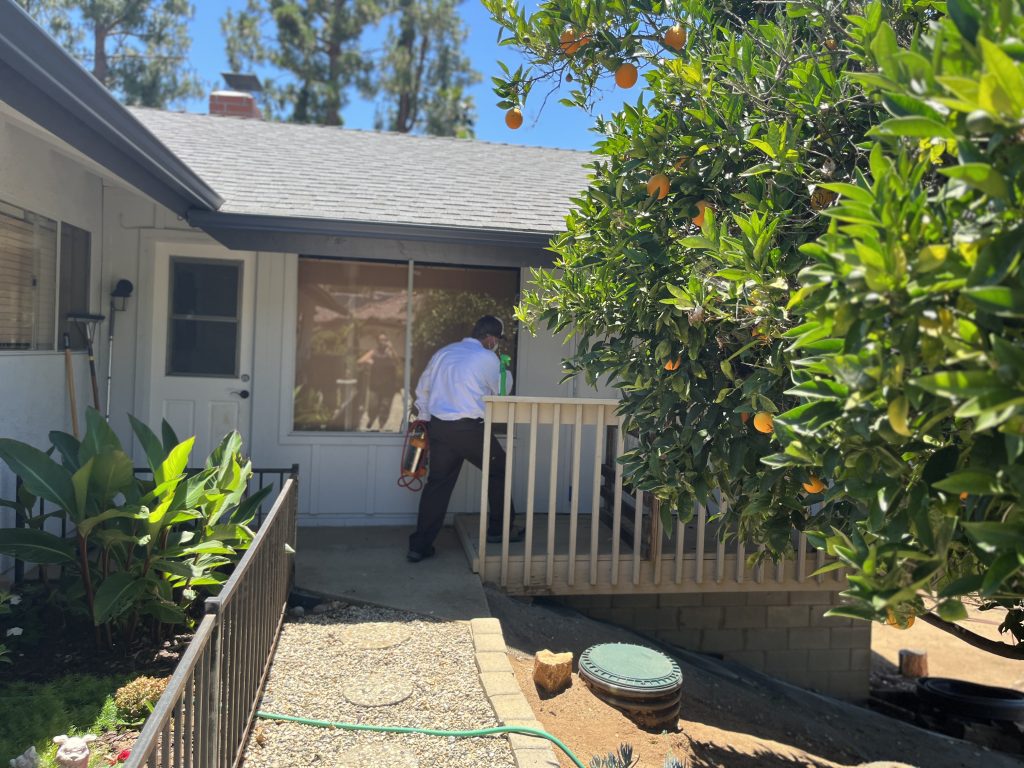
How Small Pest Issues Become Expensive Problems
Every infestation begins with a few unnoticed invaders. Delaying professional pest services allows these pests time to breed, spread, and establish colonies in hidden areas. Once that happens, eradication becomes far more complex and costly.
Here are a few examples of how quickly minor infestations can escalate:
- Termites feed continuously and can damage flooring, walls, and wooden framing within months. Repair costs can climb into the thousands if left unchecked.
- Rodents chew through insulation, wiring, and drywall, increasing fire hazards and spreading disease.
- Cockroaches multiply rapidly and contaminate food surfaces, worsening allergies and asthma.
- Ants form multiple colonies, especially species like carpenter ants that nest within structural wood.
While over-the-counter sprays or traps may offer temporary relief, they rarely eliminate the root cause. Pests often adapt, relocate, or rebound, rendering DIY pest control ineffective and leaving homeowners frustrated and facing compounding repair bills.
The Financial Burden of Delay
Many homeowners delay calling professionals because they underestimate the financial risks associated with pest problems. Unfortunately, pests are not just inconvenient; they are destructive and persistent. Ignoring them for too long can lead to steep and unavoidable costs.
Consider the following financial consequences:
- Property repairs: Termites, carpenter ants, and rodents can cause structural damage that often requires professional restoration.
- Electrical hazards: Chewed wiring from rodents may lead to short circuits or fire hazards that demand costly electrical repair.
- Decreased home value: Pest damage or recurring infestations discovered during inspections can lower property resale value.
- Repeated treatments: Incomplete eradication often results in multiple service calls, increasing the total expense.
By the time visible damage appears, pests may have already compromised areas behind walls, beneath floors, or within attic insulation. The longer professional pest services are postponed, the more extensive the repairs tend to be. Many homeowners only realize this after discovering the hidden pest costs that could have been avoided with early intervention.
Health Risks Linked To Infestations
Pests are not just a threat to your home; they also endanger your health and that of your family. Infestations can introduce bacteria, allergens, and pathogens into living spaces, creating a range of preventable health issues.
Here are some key examples:
- Rodents spread diseases like Salmonella and hantavirus through droppings and urine.
- Cockroaches trigger asthma, particularly in children, due to allergens in their shed skins and feces.
- Mosquitoes and ticks transmit viruses such as West Nile, Lyme disease, and other vector-borne illnesses.
- Fleas can cause severe allergic reactions in pets and humans alike.
In addition, pest droppings and nesting materials can contaminate HVAC systems, spreading airborne allergens throughout the home. Professional pest services focus on both removal and sanitation, minimizing exposure to harmful contaminants that DIY methods often overlook.
The Impact On Property Integrity
Beyond immediate repair costs, pest infestations undermine a home’s long-term structural integrity. Wood-boring insects, nesting rodents, and even small insects like silverfish or carpet beetles can cause gradual degradation that weakens essential materials over time.
Professionals typically look for early warning signs such as:
- Hollow-sounding wood or blistered paint that suggests termite activity.
- Gnaw marks on beams, insulation, or wiring from rodents.
- Droppings, tunnels, or frass that indicate hidden insect populations.
- Weak flooring or sagging ceilings from long-term pest damage.
While these problems may not appear severe at first glance, structural weakening can spread quietly and result in major safety hazards. Homeowners who postpone inspections risk discovering the problem too late, often when repair costs are significantly higher than the original prevention service would have been.
Why Timely Professional Pest Services Save You More
Prompt pest control is not simply about extermination; it is about prevention, protection, and long-term cost savings. Professionals use integrated techniques to locate infestations, identify entry points, and establish barriers that discourage future invasions.
Here’s why calling a professional early makes financial and practical sense:
- Targeted solutions: Professionals identify pest species and apply precise treatments that reach colonies at the source.
- Long-term prevention: Proper sealing, sanitation, and monitoring reduce the risk of future infestations.
- Safer methods: Licensed specialists use products and techniques that are effective yet environmentally responsible.
- Peace of mind: Knowing your home is properly treated helps maintain property value and indoor comfort.
When infestations are detected early, treatment is faster, simpler, and more affordable. Regular pest monitoring ensures that problems are caught before they escalate, protecting both your investment and your health.
Protect Your Home Before It’s Too Late
Delaying pest treatment can turn small issues into overwhelming expenses. Acting early helps preserve your home, safeguard your health, and avoid unnecessary financial strain. For comprehensive inspections and customized solutions, reach out to Archer Termite & Pest Control.