

A quiet property is not necessarily free from pest activity. Ants may follow concealed routes behind cabinets, rodents can travel through attic spaces, and termites may affect wood long before damage becomes obvious. Waiting for a noticeable infestation often means that the conditions supporting it have already been present for some time.
Regular pest maintenance creates opportunities to identify those conditions, assess new evidence, and respond before a minor concern becomes disruptive. For properties across Southern California, where temperature, irrigation, and seasonal changes influence activity, an organized maintenance approach is more useful than assuming one successful treatment will remain effective indefinitely.
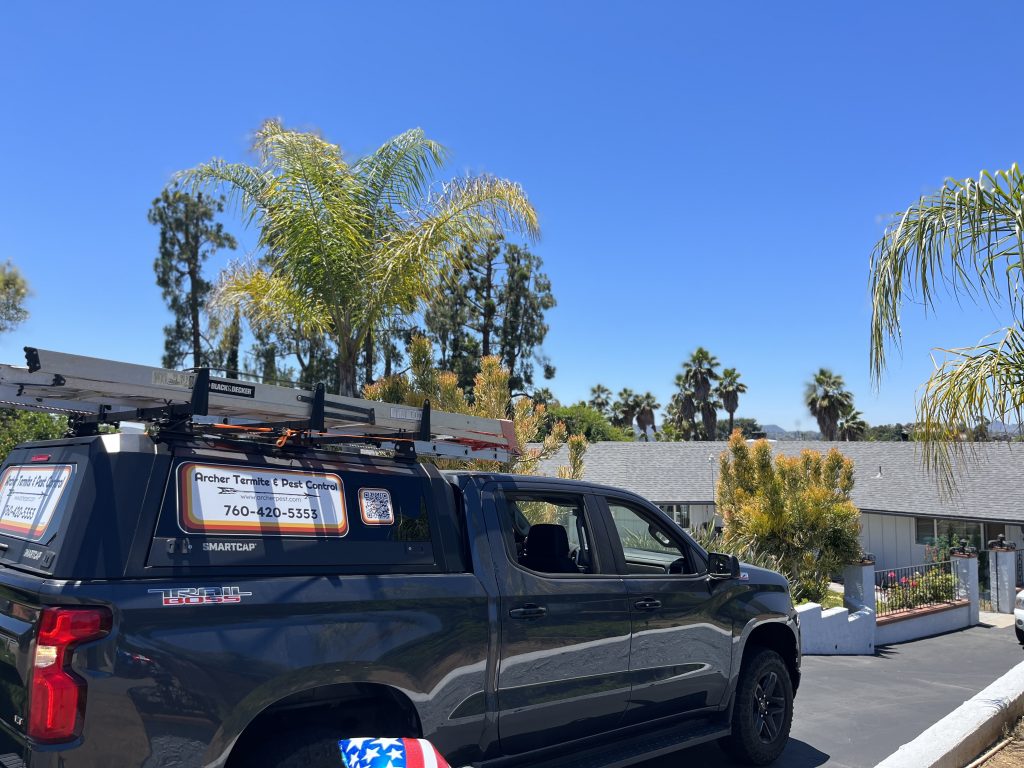
Early Detection Helps Limit Disruption and Unexpected Costs
The first advantage of recurring inspections is information. A technician can compare current findings with earlier visits, distinguish occasional sightings from sustained activity, and notice changes that residents might reasonably miss. This is especially valuable when pests spend much of their time out of sight.
Several problems become easier to address when they are recognized early:
- Termite activity: Evidence around structural wood may prompt closer evaluation before deterioration becomes extensive.
- Rodent movement: Droppings, gnaw marks, or disturbed insulation can reveal activity in storage areas and attics.
- Cockroach harborages: Repeated sightings near plumbing or appliances may indicate concealed shelter and moisture sources.
- Ant trails: Patterns along walls or exterior openings can help technicians trace recurring access routes.
- Bed bug evidence: Careful assessment can clarify whether suspicious marks or insects indicate an active problem.
Cost is part of this conversation, but it should be understood realistically. Scheduled service involves an ongoing expense; it does not guarantee that repairs or future infestations will never occur. Instead, it provides a structured opportunity to address developing concerns and make costs more predictable. Our discussion of pest control pricing explains how infestation severity, access, and service frequency can influence the work required.
An inspection also helps separate actual pest evidence from conditions that merely warrant observation. That distinction prevents unnecessary treatment and supports more appropriate decisions, particularly when a property has a history of repeated but poorly understood sightings.
Maintenance Plans Respond to the Property, Not Just the Pest
Every building has its own combination of access points, stored materials, landscaping, and moisture conditions. A home with a shaded crawl space presents different concerns from an office with frequent deliveries or a property surrounded by dense vegetation. Effective pest maintenance accounts for those differences instead of repeating an identical application during every appointment.
Our technicians consider factors such as:
- Entry points: Openings around utility lines, doors, vents, and roof edges that may allow pests inside.
- Moisture conditions: Plumbing leaks, irrigation patterns, and damp areas that can support certain infestations.
- Previous activity: Locations where treatments were needed and where fresh evidence deserves comparison.
- Building use: Storage practices, foot traffic, and daily routines that affect food or shelter availability.
- Seasonal changes: Weather patterns that alter pest movement and the locations needing attention.
These observations guide whether a property needs targeted treatment, exclusion recommendations, monitoring, or another follow-up inspection. Not every appointment calls for the same intervention. A previously treated area may remain stable while a different location begins showing activity.
Flexible service arrangements also matter. Maintenance frequency should reflect pest history, current findings, and practical property needs rather than an arbitrary schedule. Professionals can explain what they observed and why any adjustment is justified, giving owners clearer expectations about both service and results over successive visits.
Continued Monitoring Supports More Reliable Long-Term Decisions
A treatment may address the pests present at one point in time, but the property around them continues to change. Landscaping grows, weather shifts, building materials age, and new openings develop. Monitoring supplies the continuity needed to spot those changes and revisit decisions when evidence warrants it.
A useful maintenance record can document:
- Inspection findings: Dates, affected areas, and signs that establish a baseline for later comparison.
- Treatment details: The pest identified, locations addressed, and methods selected for those conditions.
- Exclusion recommendations: Structural openings or other vulnerabilities that need separate attention.
- Follow-up results: Whether earlier activity declined, persisted, or appeared somewhere new.
- Future priorities: Areas that deserve closer observation during the next inspection cycle.
This record becomes particularly useful when different seasons bring different concerns. Our guide to early fall pest activity describes how shifting temperatures, moisture, and household conditions influence what technicians may find around Southern California properties.
The objective is not constant treatment for its own sake. It is maintaining a clear picture of pest pressure and using professional judgment to respond when conditions change. That measured approach can help protect the property’s usability, reduce avoidable disruption, and support informed maintenance budgeting over time.
Make Prevention Part of Property Care
If recurring pest concerns are making your property difficult to manage, contact Archer Termite & Pest Control to discuss professional inspections and a flexible maintenance plan suited to your needs.